Methodology
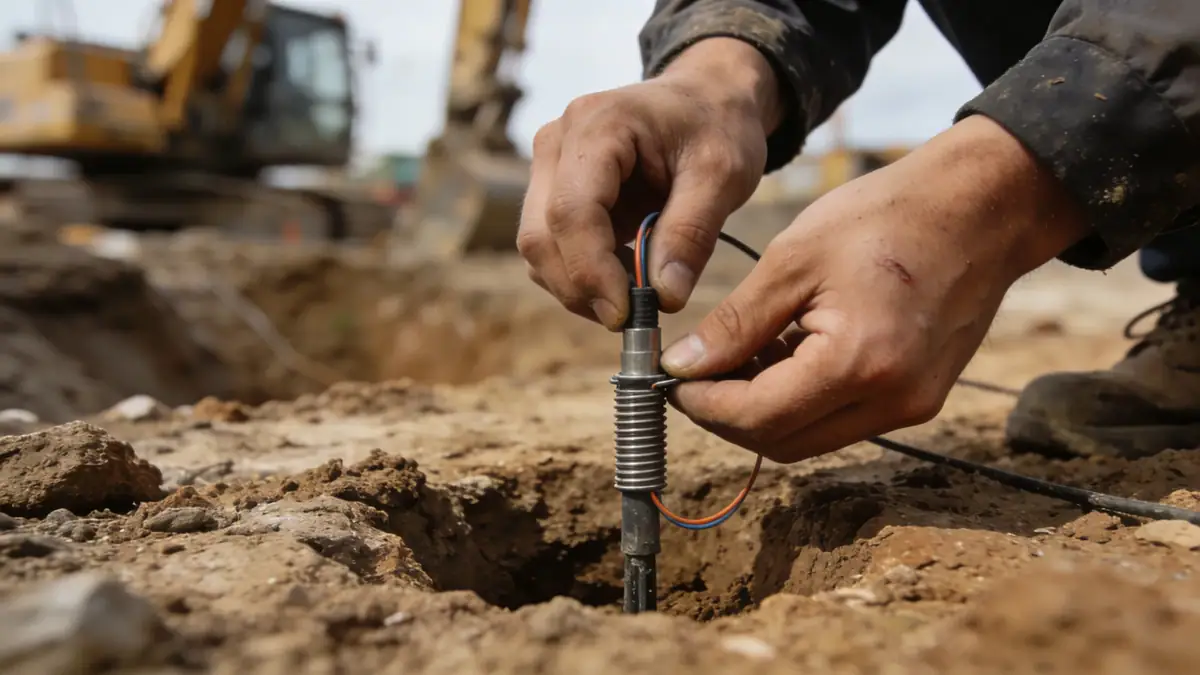
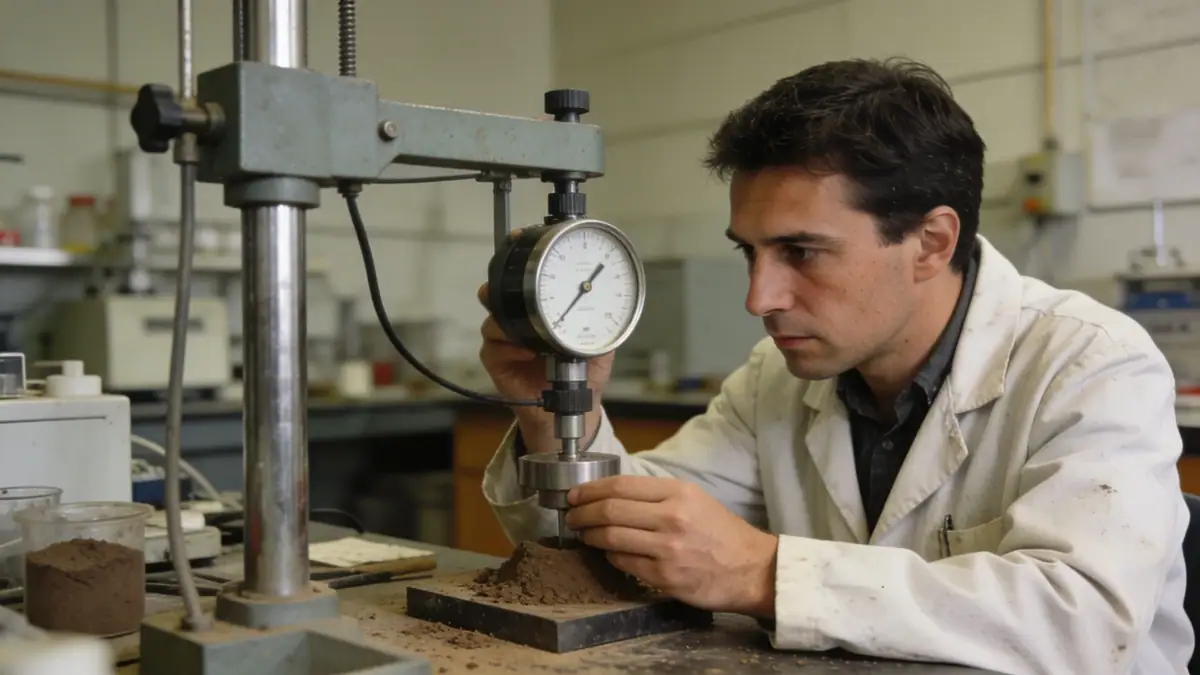
Our methodology for standard penetration tests in Toronto follows ASTM D1586, with sampling intervals typically every 1.0–1.5 m to capture soil variability. We employ safety hammers and automatic trip systems to ensure consistent energy delivery, recording blow counts per 300 mm penetration. Data is corrected for overburden and hammer efficiency to yield N60 values, which are correlated with relative density, friction angle, and undrained shear strength for clay soils. This systematic approach supports foundation design, liquefaction assessment, and slope stability analyses across Toronto’s complex glacial deposits.
Reference Technical Parameters
| Parameter | Reference Value |
|---|---|
| Predominant soil type | Glacial till (silty clay to sandy silt) with clay deposits in east and north |
| Maximum seismic acceleration (PGA) | 0.15–0.25 g (based on NBCC 2020 seismic hazard maps) |
| Typical groundwater level | 1.5–6.0 m below grade, deeper in till, shallower in clay plains |
| Bedrock depth | 0–50 m; shallow in downtown (5–15 m), deep in north (>30 m) |
| Typical N60 range | 10–30 in clay, 30–80 in till; variable with depth and location |
Local Considerations — Toronto
Toronto’s geology comprises Wisconsinan glacial deposits overlying Ordovician shale and limestone. The city is in NBCC seismic zone 2, with PGA 0.15–0.25 g. Groundwater is generally shallow in clay plains (1.5–3 m) and deeper in till areas. A cone penetration test (cpt) is often used for continuous profiling in soft clays, while SPT remains standard for till and bedrock interface. Typical projects include high-rises in the downtown core (till/shale) and residential subdivisions in the north (deep clay). Local codes require site-specific seismic response analyses for buildings exceeding 4 storeys.
Request a Quote
Our team reviews your project and issues an initial report at no cost.
Or write us directly at [email protected]
Services in Toronto
Locations covered in Toronto
Applicable Standards
- ASTM D1586
- NBCC 2020 (National Building Code of Canada)
- Ontario Building Code (OBC 2012)
- CSA A23.3 (Concrete Design)
- CAN/BNQ 2501-135 (Soil Sampling)
Frequently Asked Questions
What are the typical soil conditions encountered during SPT in Toronto?
Toronto soils range from glacial tills (silty clay to sandy silt) in the downtown area to deeper lacustrine clay deposits in the north and east. Tills provide high SPT N-values (30–80), while clays yield lower values (10–30). Groundwater levels vary, influencing test procedures and corrections.
How does seismic hazard affect standard penetration test requirements in Toronto?
Toronto is classified as NBCC seismic zone 2 with PGA up to 0.25 g, requiring site-specific seismic response analyses for most structures. SPT data is used to evaluate liquefaction potential (especially in loose sands) and to determine soil shear wave velocity via correlations, essential for dynamic foundation design.
Is a standard penetration test mandatory for building permits in Toronto?
For buildings exceeding 4 storeys or in areas with variable soil conditions, the Ontario Building Code mandates a geotechnical investigation including SPT. Even for smaller projects, most municipalities require a minimum number of boreholes with SPT to confirm bearing capacity and settlement parameters.