Methodology
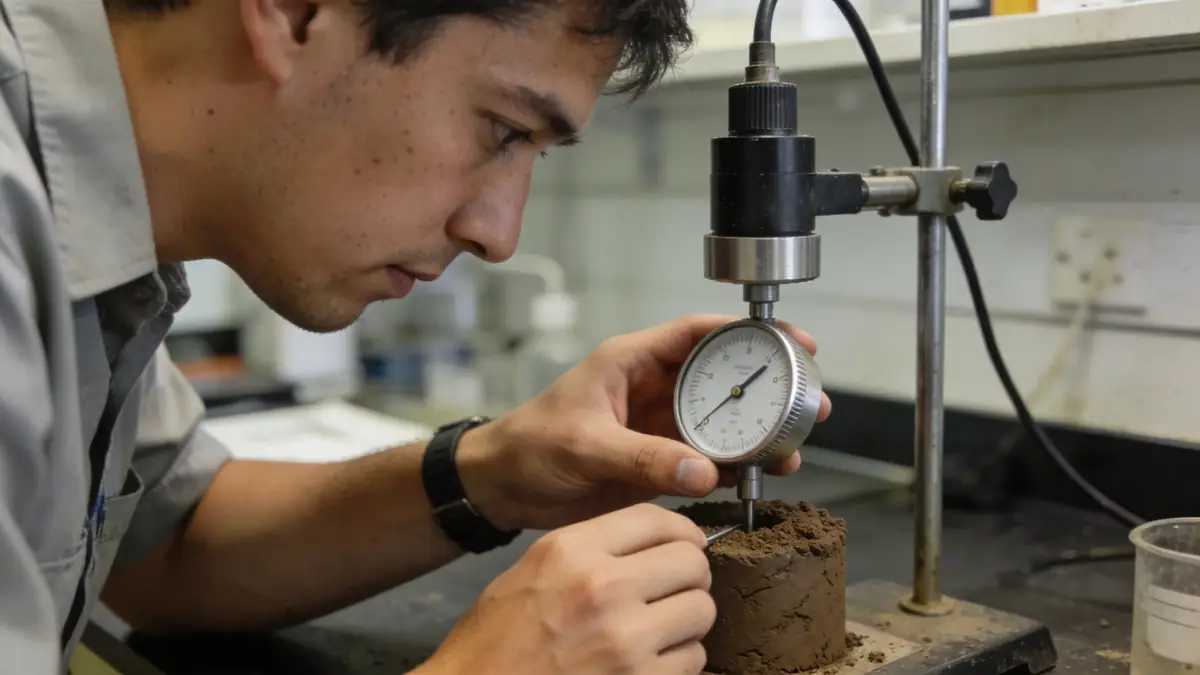
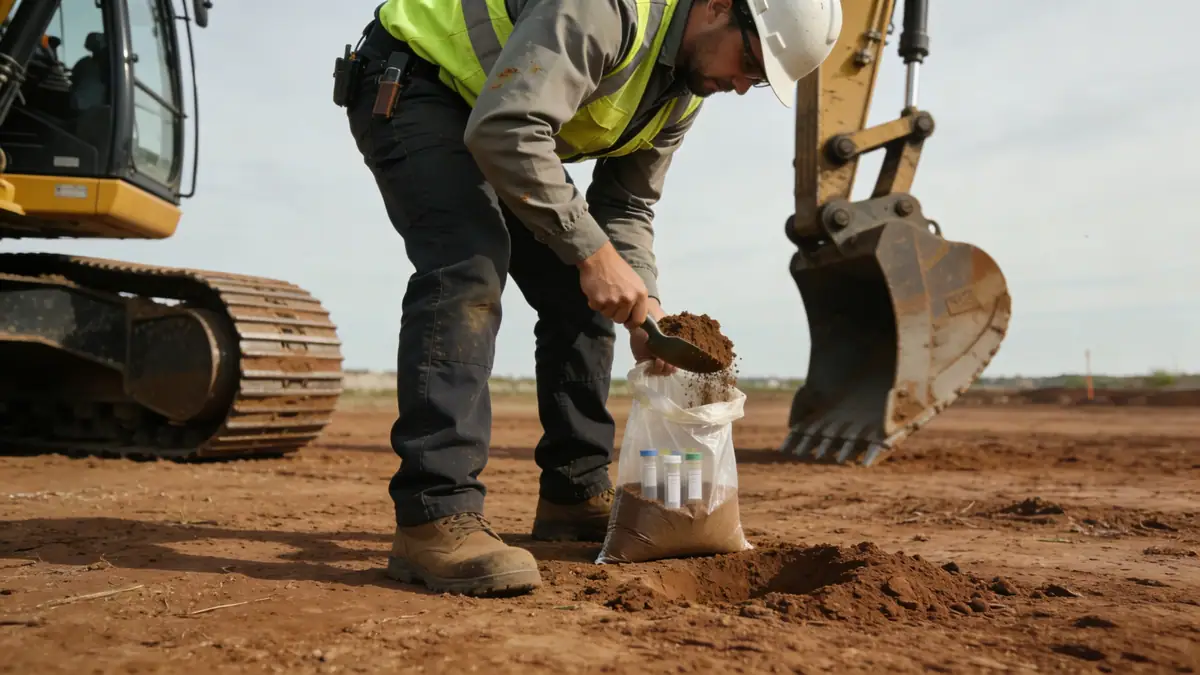
Our standard penetration test methodology follows ASTM D1586, employing a 63.5 kg hammer with a 760 mm drop to drive a split-barrel sampler. In Brantford, we typically advance boreholes to depths of 8–15 m for residential projects and up to 30 m for industrial sites. Sampling intervals are set at 1.5 m or at changes in strata. For detailed profiling, we integrate cone penetration test (cpt) data to complement SPT results. Our field procedures include energy measurements to correct N-values to N60, ensuring consistency across projects.
Reference Technical Parameters
| Parameter | Reference Value |
|---|---|
| Predominant soil type | Glacial till (silty sand with gravel) overlying shale bedrock |
| Maximum seismic acceleration (PGA) | 0.15 g (NBCC 2020, Site Class C) |
| Typical groundwater level | 3–8 m below surface, variable seasonally |
| Bedrock depth | 10–30 m (shallow in north Brantford, deeper near Grand River) |
| Typical N60 range | 8–35 blows/300 mm (varies with compaction and gravel content) |
Local Considerations — Brantford
Brantford's geology is dominated by glacial till and glaciofluvial deposits, with shale bedrock of the Queenston Formation at variable depths. The Grand River valley presents alluvial silts and sands with shallow groundwater, requiring careful dewatering planning. Seismic hazard is moderate (PGA 0.15 g per NBCC 2020), and our SPT program accounts for liquefaction potential in saturated fine sands. Older industrial areas near the downtown core may contain fill materials requiring deeper borings. For regional context, our team leverages expertise from our standard penetration test en Toronto hub to ensure consistent quality across southern Ontario.
Request a Quote
Our team reviews your project and issues an initial report at no cost.
Or write us directly at [email protected]
Services in Brantford
Applicable Standards
- ASTM D1586 – Standard Test Method for Standard Penetration Test (SPT)
- NBCC 2020 – National Building Code of Canada (Seismic provisions)
- Ontario Building Code (OBC) 2012 – Part 4 (Structural Design)
- ASTM D2488 – Description and Identification of Soils
Frequently Asked Questions
What soil types are commonly encountered in Brantford?
Brantford's subsurface primarily consists of glacial till (silty sand with gravel) from the Port Stanley Till formation, underlain by Queenston shale. Alluvial deposits of sand and silt are present along the Grand River floodplain. These conditions require careful SPT sampling to assess bearing capacity and compressibility.
Is a standard penetration test required for new construction in Brantford?
Yes, the Ontario Building Code mandates geotechnical investigations for most structures. SPT is the standard method for determining soil strength and liquefaction potential, especially in areas with moderate seismicity. Our firm provides SPT data compliant with NBCC 2020 for foundation design.
How does the seismic hazard in Brantford affect SPT procedures?
Brantford is in Seismic Zone 2 (PGA 0.15 g) per NBCC 2020. SPT results are used to evaluate liquefaction susceptibility in saturated sands and to determine site class for seismic design. We perform energy-corrected N60 measurements to meet the code's requirements for dynamic analysis.