Methodology
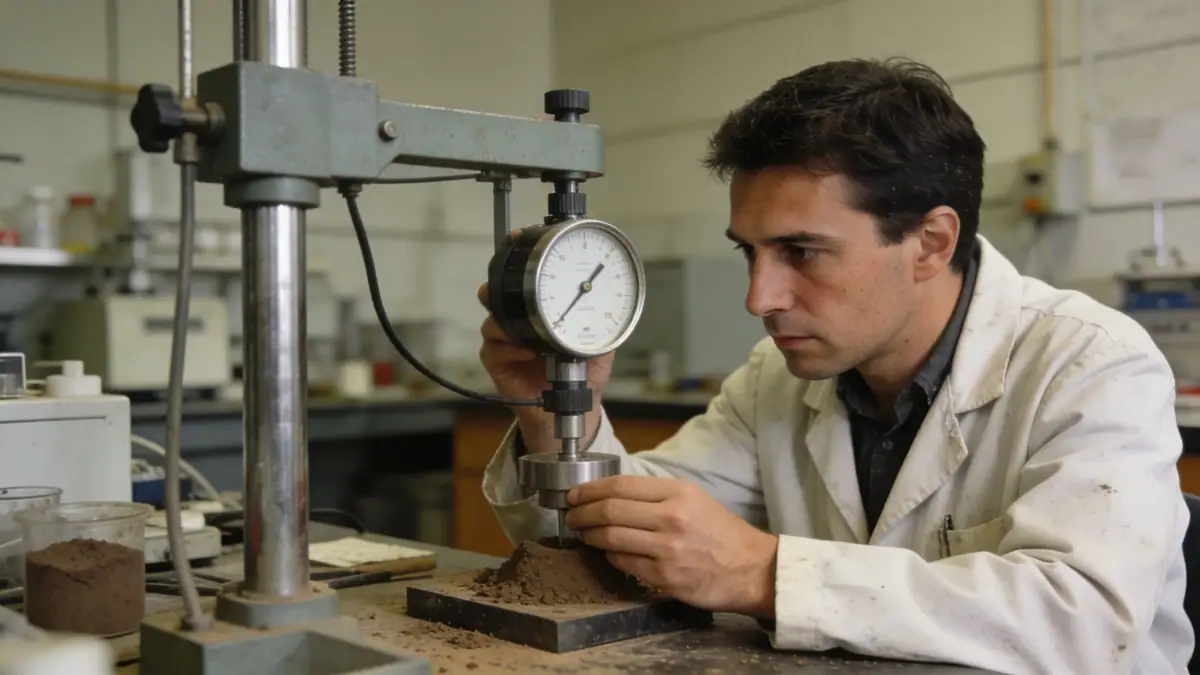
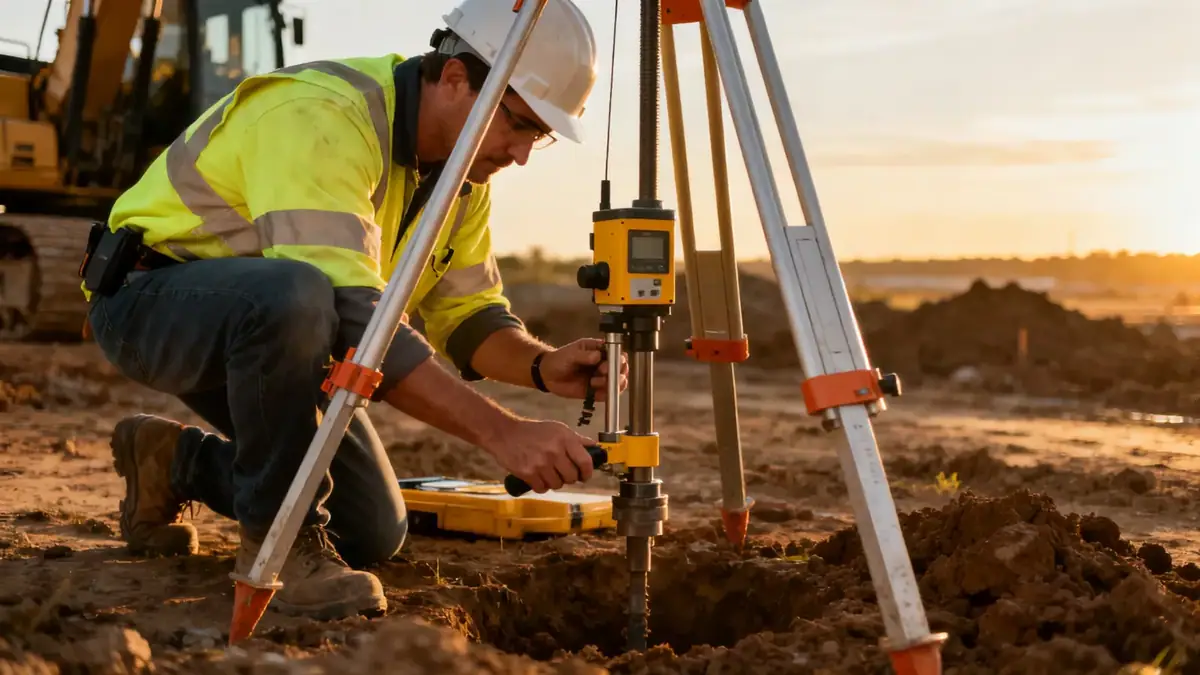
Our methodology adheres to ASTM D1586, the standard test method for SPT. We use a 63.5-kg hammer with a 760-mm drop to drive a split-barrel sampler, recording blow counts per 150-mm increment. Energy efficiency is measured to account for variations in hammer systems. Data is corrected for overburden pressure and energy ratio to produce consistent N60 values. We integrate SPT results with Cone Penetration Test (CPT) for cross-validation in complex soil profiles. All testing is supervised by professional engineers to meet Canadian Foundation Engineering Manual requirements.
Reference Technical Parameters
| Parameter | Reference Value |
|---|---|
| Hammer Weight | 63.5 kg (140 lb) |
| Drop Height | 760 mm (30 in) |
| Sampler Dimensions | 51 mm OD, 35 mm ID |
| Blow Count Range (N) | 0–100 blows/300 mm |
| Energy Efficiency (ERi) | 60–80% typical |
Local Considerations — Canada
Canada's geotechnical landscape ranges from soft marine clays in the St. Lawrence Lowlands to dense glacial tills in the Prairie provinces. Seismic zones along the west coast require SPT-based liquefaction assessments per NBCC 2020. In permafrost regions, modified procedures are employed to avoid thermal disturbance. Our team adapts testing protocols for each region, referencing regional guides like the Canadian Foundation Engineering Manual. For site-specific approaches, see our work in Abbotsford.
Request a Quote
Our team reviews your project and issues an initial report at no cost.
Or write us directly at [email protected]
Applicable Standards
- ASTM D1586
- Canadian Foundation Engineering Manual (CFEM) 4th Edition
- National Building Code of Canada (NBCC) 2020
- ISO 22476-3
Frequently Asked Questions
What is the purpose of the standard penetration test?
The SPT provides in-situ soil strength parameters for foundation design, liquefaction assessment, and soil classification. It measures the resistance of soil to penetration by a split-barrel sampler, yielding N-values that correlate with relative density, friction angle, and bearing capacity.
How is the SPT performed in Canada?
Our technicians follow ASTM D1586 using a safety or automatic hammer. Boreholes are advanced to test depths, and samples are taken at 1.5-m intervals. Blow counts are recorded, and the sampler is retrieved for soil logging. Energy measurements are taken to normalize N-values.
What corrections are applied to SPT N-values?
Corrections include overburden pressure (CN), hammer energy efficiency (CE), borehole diameter (CB), rod length (CR), and sampler configuration (CS). The corrected N60 value is used for design, following CFEM and NBCC guidelines.