Methodology
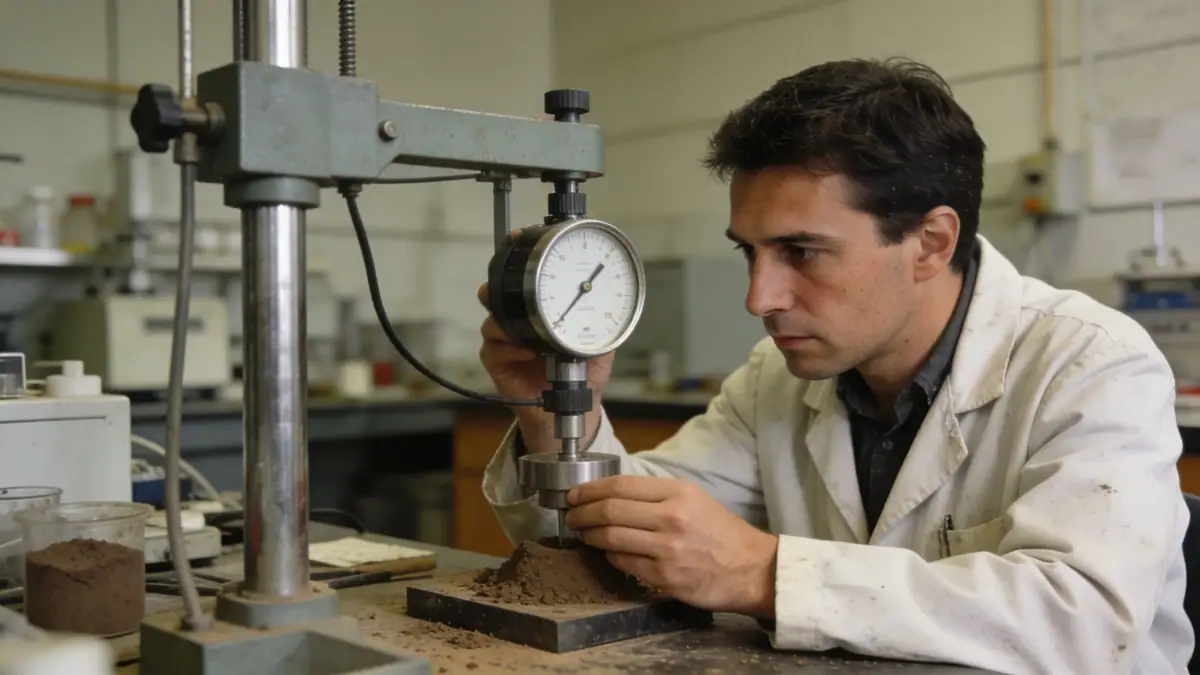
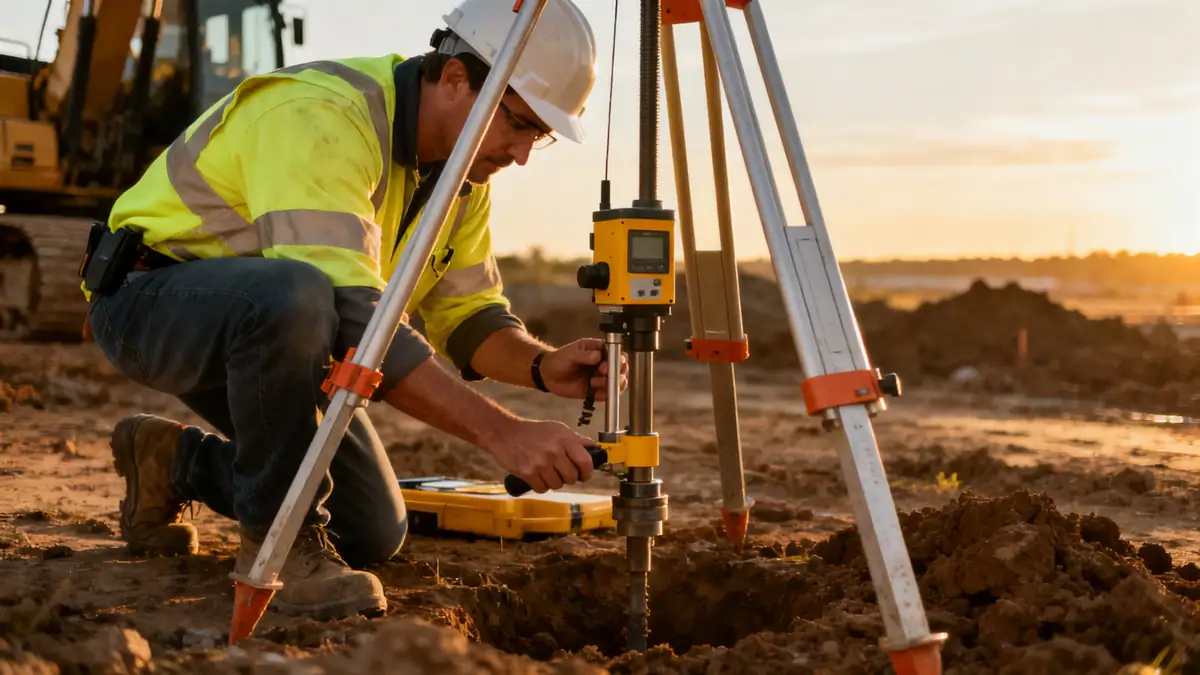
Our standard penetration test (SPT) methodology follows ASTM D1586, employing a 63.5 kg hammer dropped 760 mm to drive a split-barrel sampler. Boreholes are advanced using hollow-stem augers or mud rotary techniques to maintain borehole stability in Winnipeg's cohesive till and clay layers. Sampling intervals are typically 1.5 m, with continuous sampling in critical zones. We record N-values corrected for energy efficiency (N60) and overburden pressure (N1,60). All SPT data is integrated with laboratory testing on retrieved samples for moisture content, Atterberg limits, and grain size distribution, providing a comprehensive geotechnical model for foundation design.
Reference Technical Parameters
| Parameter | Reference Value |
|---|---|
| Predominant Soil Type | Glacial till, clay, silt, with sand/gravel lenses |
| Maximum Seismic Acceleration (PGA) | 0.08 to 0.12 g (NBCC 2020 Site Class D) |
| Typical Groundwater Level | 2 to 6 m below grade |
| Bedrock Depth | Variable, typically > 30 m (Carbonate bedrock) |
| Typical N60 Range (Till) | 15 to 50 blows/300 mm |
Local Considerations — Winnipeg
Winnipeg's geology is dominated by Lake Agassiz clays and glacial till, with high plasticity and potential for swelling/shrinkage. The shallow water table requires careful dewatering and consideration for frost heave. Seismic hazard is low, but liquefaction potential in loose sand lenses must be evaluated. Our cone penetration test (cpt) services complement SPT for continuous profiling. Local building codes (Manitoba Building Code) reference NBCC 2020, requiring site-specific geotechnical investigations for any structure exceeding 600 m² or three stories. Typical foundation challenges include expansive clay behavior and variable bearing capacity across short distances.
Request a Quote
Our team reviews your project and issues an initial report at no cost.
Or write us directly at [email protected]
Services in Winnipeg
Locations covered in Winnipeg
Applicable Standards
- ASTM D1586
- ASTM D2487
- ASTM D422
- ASTM D4318
- NBCC 2020 (National Building Code of Canada)
- Manitoba Building Code 2023
- CSA A23.3 (Concrete Design)
Frequently Asked Questions
What are the typical soil conditions in Winnipeg for SPT testing?
Winnipeg's soils are predominantly glacial till and clay from glacial Lake Agassiz, with high plasticity and variable moisture. SPT N-values in clay typically range from 5 to 20 blows/300 mm, while till can exceed 50 blows. Shallow groundwater is common, requiring care in borehole stability.
Is seismic design required for buildings in Winnipeg?
Winnipeg is in NBCC 2020 Seismic Hazard Category 1 with low PGA (0.08–0.12 g). While seismic design is not mandatory for all structures, site-specific geotechnical investigations including SPT are recommended for critical infrastructure or where liquefiable soils are present.
Are geotechnical investigations mandatory for construction in Winnipeg?
The Manitoba Building Code requires a geotechnical investigation for any building exceeding 600 m² or three stories. For smaller projects, it is strongly advised due to variable soil conditions. SPT is a key component for bearing capacity and settlement analysis.