Methodology
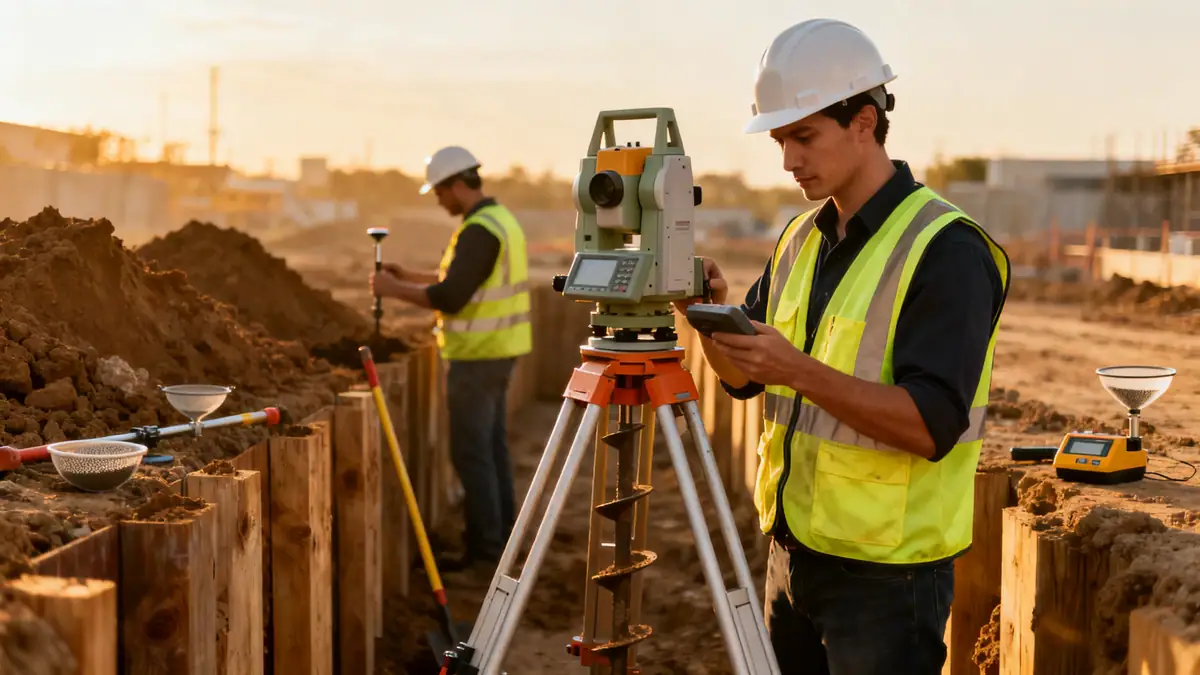
Our methodology for standard penetration test in Halifax follows ASTM D1586, employing a 63.5 kg hammer dropped 760 mm to drive a split-barrel sampler. We record blow counts per 150 mm increment, reporting N60 values corrected for energy efficiency. Typical testing depths range from 8 to 15 m for residential projects and up to 30 m for industrial structures, with sampling intervals of 1.0 to 1.5 m. For comprehensive site characterization, we integrate standard penetration test (spt) data with complementary methods such as cone penetration test (cpt) to evaluate stratigraphy and groundwater conditions. All equipment is calibrated per Canadian Geotechnical Society standards.
Reference Technical Parameters
| Parameter | Reference Value |
|---|---|
| Predominant soil type | Glacial till, clay, silt, sand, and peat over sedimentary bedrock |
| Maximum seismic acceleration (PGA) | 0.12–0.20 g (NBCC 2020 seismic hazard for Halifax) |
| Typical groundwater level | Variable, 1–5 m below ground surface; deeper in till |
| Bedrock depth | 0–15 m; deeper in former lake basins (e.g., Chocolate Lake area) |
| Typical N60 range | 5–30 blows/300 mm in till; 2–10 in soft soils |
Local Considerations — Halifax
Halifax's geology is dominated by glacial deposits overlying Carboniferous to Devonian sedimentary bedrock. The downtown core features shallow bedrock with stiff till, while areas like Clayton Park or Bayer's Lake may have thick soft clay and peat layers. Seismic design follows NBCC 2020, with PGA up to 0.20 g, requiring site-specific response analysis for certain soil profiles. Groundwater levels fluctuate seasonally, often within 2 m of the surface in low-lying areas. Our team has addressed challenges such as peat compression in the Halifax Harbour waterfront and till variability for highway embankments. We recommend dpsh dynamic probing for rapid bedrock depth assessment in till-covered sites.
Request a Quote
Our team reviews your project and issues an initial report at no cost.
Or write us directly at [email protected]
Services in Halifax
Locations covered in Halifax
Applicable Standards
- ASTM D1586
- NBCC 2020 (National Building Code of Canada)
- CSA A23.3 (Concrete Design)
- Nova Scotia Building Code Regulations
Frequently Asked Questions
What soil types are commonly encountered during standard penetration tests in Halifax?
Halifax soils are primarily glacial till (sand, silt, clay with cobbles), underlain by sedimentary bedrock such as slate and sandstone. Soft clay and peat deposits occur in former lake basins. N60 values range from 5–30 in till, while soft soils yield 2–10 blows per 300 mm.
How does seismic hazard affect standard penetration test requirements in Halifax?
Halifax is in a moderate seismic zone per NBCC 2020, with PGA up to 0.20 g. Site classification based on N60 values is essential for determining seismic design parameters. Deep soft soils may amplify ground motions, requiring site-specific response analysis.
Is a standard penetration test mandatory for all construction projects in Halifax?
The Nova Scotia Building Code requires geotechnical investigation for most structures, especially those with deep foundations or in areas with variable soil conditions. SPT is the preferred method to obtain N60 for bearing capacity and settlement analysis.