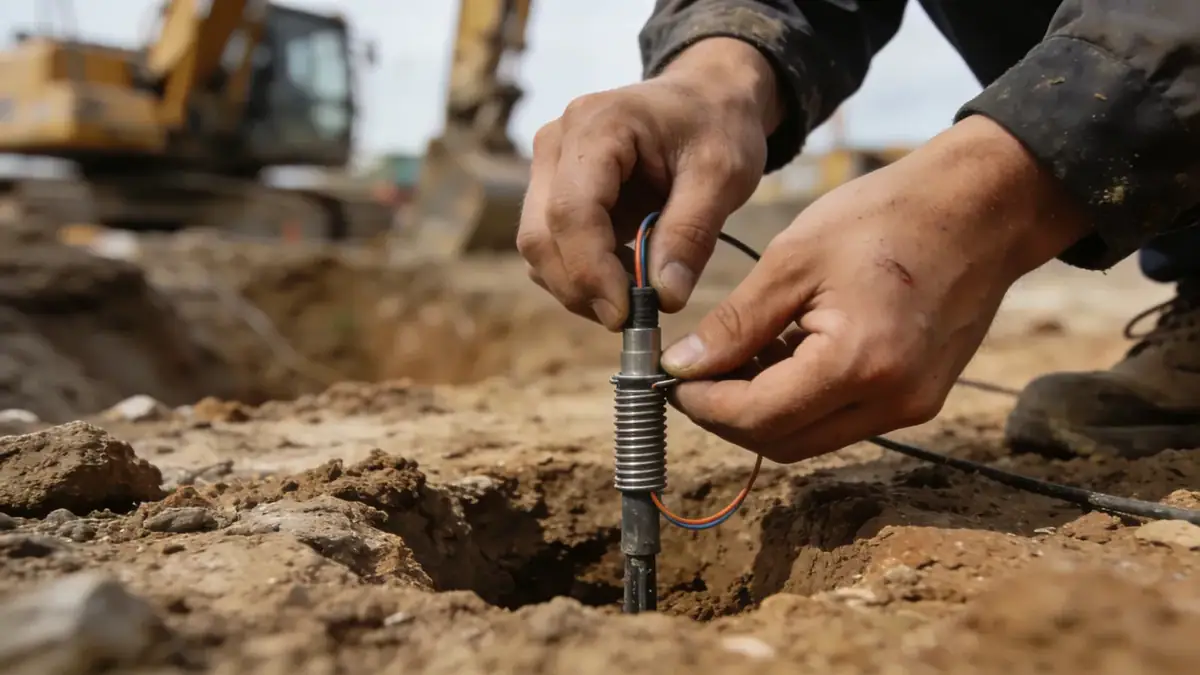
Methodology
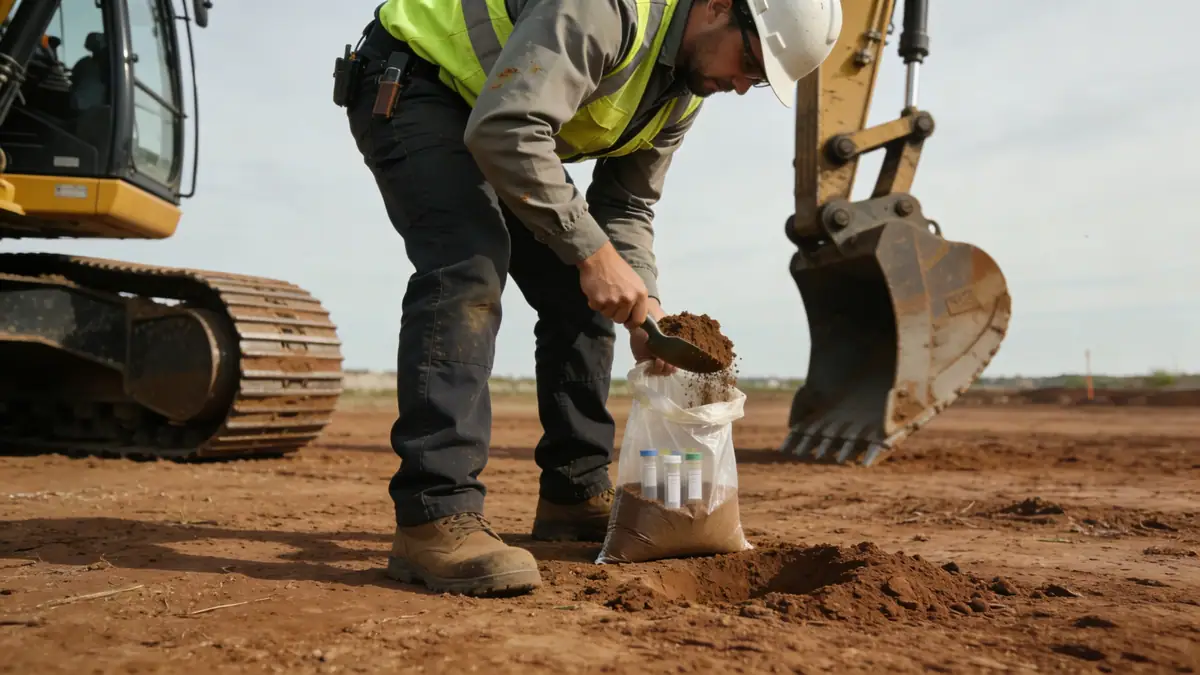
Our methodology for standard penetration tests in Cape Breton follows ASTM D1586, employing a 63.5 kg hammer dropped 760 mm to drive a split-barrel sampler. We record blow counts (N-value) at 1.5 m intervals or at changes in strata, with continuous sampling in cohesive soils. Corrections for overburden pressure and hammer energy efficiency are applied to obtain N60 values. For detailed profiling, we integrate our standard penetration test (spt) results with borehole logs and laboratory testing. This systematic approach ensures consistent data quality across all projects, from residential developments to industrial facilities in the region.
Reference Technical Parameters
| Parameter | Reference Value |
|---|---|
| Predominant soil type | Glacial till, silty sand with gravel |
| Maximum seismic acceleration (PGA) | 0.15 g (NBC 2020, Site Class C) |
| Typical groundwater level | 1.5 to 3.0 m below ground surface |
| Bedrock depth | 5 to 20 m in valleys; >30 m on plateaus |
| Typical N60 range (glacial till) | 10 to 30 blows/300 mm |
Local Considerations — Cape Breton
Cape Breton's geology varies significantly between the Sydney coalfield (shallow bedrock, coal seams) and the highlands (thick till, bedrock at depth). Our team adapts the testing program accordingly, using deeper borings in the highlands and careful refusal monitoring near coal seams. The region falls under seismic zone 0.5 (NBC 2020), with PGA up to 0.15 g, requiring site-specific response analysis for critical structures. We recommend complementary cone penetration test (cpt) in soft soils for continuous profiling. For projects requiring local reference, our standard penetration test en Halifax services provide analogous data for comparative studies across Nova Scotia.
Request a Quote
Our team reviews your project and issues an initial report at no cost.
Or write us directly at [email protected]
Services in Cape Breton
Applicable Standards
- ASTM D1586
- NBC 2020 (National Building Code of Canada)
- CSA A23.3 (Concrete Design)
- Nova Scotia Building Code Regulations
Frequently Asked Questions
What soil types are commonly encountered in Cape Breton during standard penetration tests?
The predominant soils are glacial tills ranging from silty sands to gravelly clays, with occasional organic deposits in lowlands. Bedrock is typically sandstone or shale. N-values in till vary from 10 to 30 blows/300 mm, indicating medium to dense conditions.
Is a standard penetration test mandatory for building permits in Cape Breton?
While not mandatory for all structures, the Nova Scotia Building Code requires geotechnical investigations for buildings with large loads, irregular shapes, or in areas with suspected poor soil. Our tests provide the necessary data for foundation design and seismic compliance.
How does the seismic hazard in Cape Breton affect standard penetration test requirements?
Cape Breton is in a moderate seismic zone (PGA up to 0.15 g). For important structures, site-specific response analysis using N60 values is recommended. Our testing provides the shear wave velocity correlations needed for seismic site classification per NBC 2020.