Methodology
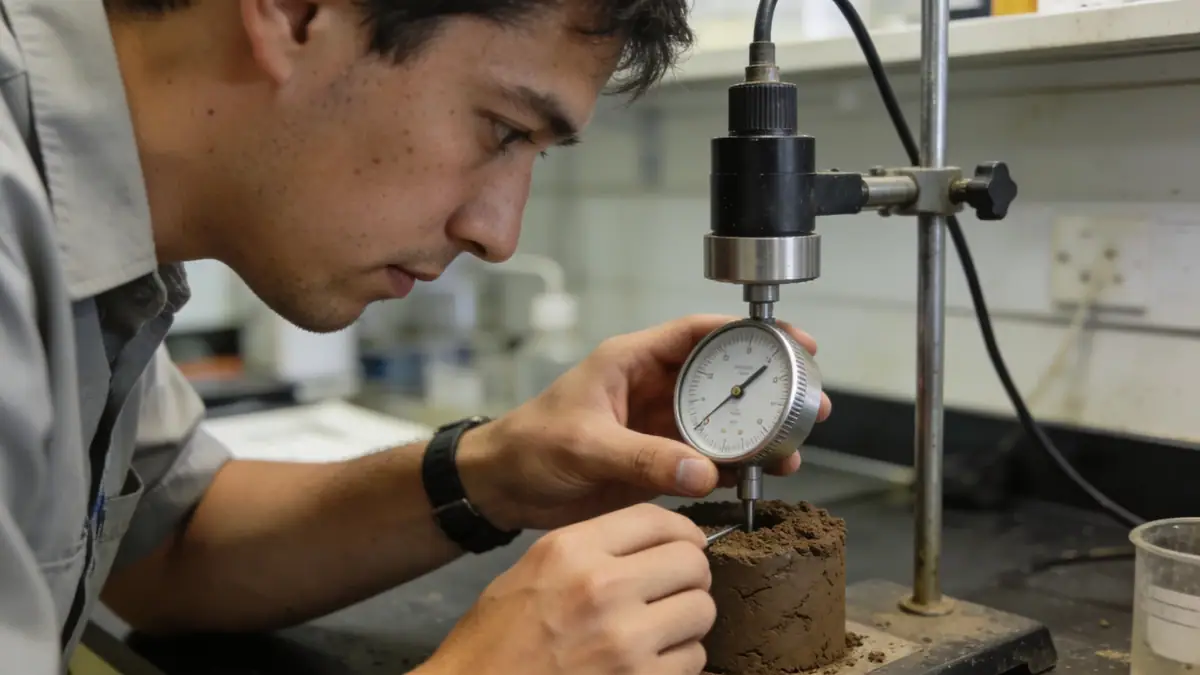
Our standard penetration test (SPT) methodology in Vancouver adheres strictly to ASTM D1586. We use a 63.5 kg hammer with a 76 cm drop to drive a split-spoon sampler, recording blow counts per 15 cm increment. Energy measurements are performed to correct N-values to N60. Tests are typically conducted at 1.5 m intervals to 30 m depth, with continuous sampling in critical zones. Our team logs soil type, groundwater conditions, and refusal criteria. Results are integrated with cone penetration test (cpt) data for cross-validation, providing a comprehensive geotechnical profile for foundation design and seismic hazard analysis.
Reference Technical Parameters
| Parameter | Reference Value |
|---|---|
| Predominant soil type | Sand, silt, and clay (Fraser River delta); glacial till and marine clays (uplands) |
| Maximum seismic acceleration (PGA) | 0.46 g (475-year return period, NBCC 2020) |
| Typical groundwater level | 1–3 m below grade (delta); variable 5–15 m (uplands) |
| Bedrock depth | Variable: 0–200 m (delta); 0–50 m (uplands) |
| Typical N60 range | 2–10 (soft deltaic deposits); 10–40 (glacial till) |
Local Considerations — Vancouver
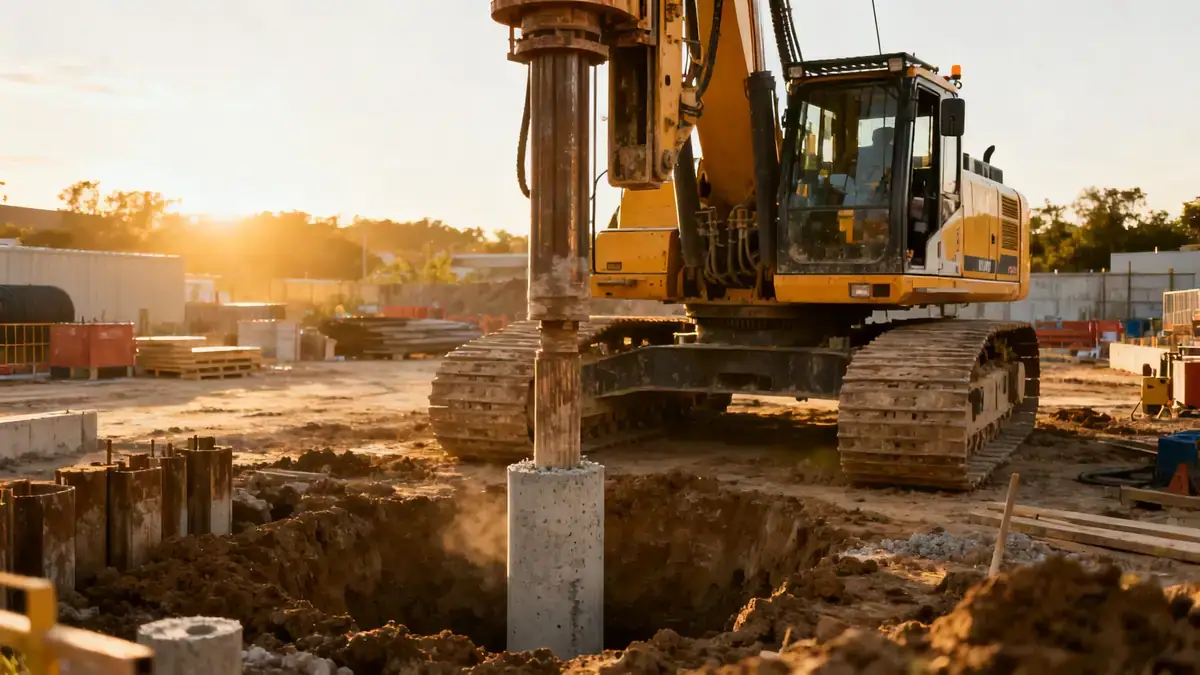
Vancouver's geology is dominated by the Fraser River delta (silty sands, soft clays) and glacial till over bedrock. Liquefaction hazard is high in deltaic areas during seismic events. Groundwater is shallow near the river, requiring dewatering considerations. Upland areas (e.g., West Vancouver, Point Grey) feature dense till and lower liquefaction risk. Typical projects include high-rises in the downtown core, bridges over the Fraser, and residential subdivisions in Surrey. Our dpsh dynamic probing services complement SPT in till for rapid profiling. Seismic microzonation maps by the City guide testing density, especially for schools and hospitals.
Request a Quote
Our team reviews your project and issues an initial report at no cost.
Or write us directly at [email protected]
Services in Vancouver
Locations covered in Vancouver
Applicable Standards
- ASTM D1586 (Standard Test Method for Standard Penetration Test)
- ASTM D6066 (Standard Practice for Determining the Normalized Penetration Resistance of Sands for Evaluation of Liquefaction Potential)
- National Building Code of Canada 2020 (NBCC 2020) – Seismic provisions
- Vancouver Building By-law (VBBL) – Site-specific seismic response analysis
- Canadian Foundation Engineering Manual (CFEM) – Geotechnical design
Frequently Asked Questions
What soil conditions are typical for standard penetration testing in Vancouver?
Vancouver soils vary from loose deltaic sands and soft clays (N60 2–10) to dense glacial till (N60 10–40). SPT is essential for characterizing these layers, especially for liquefaction assessment in the Fraser River delta.
How does Vancouver's seismic code affect SPT requirements?
NBCC 2020 assigns Vancouver a high seismic hazard (PGA 0.46g). SPT data is required for site classification (A–F) and liquefaction analysis. The Vancouver Building By-law mandates site-specific SPT for buildings over 6 storeys.
Is SPT mandatory for all construction projects in Vancouver?
While not mandatory for all, the City of Vancouver requires a geotechnical report for projects involving seismic design, foundation systems, or excavation. SPT is the preferred method for soil strength and liquefaction evaluation, especially in deltaic areas.