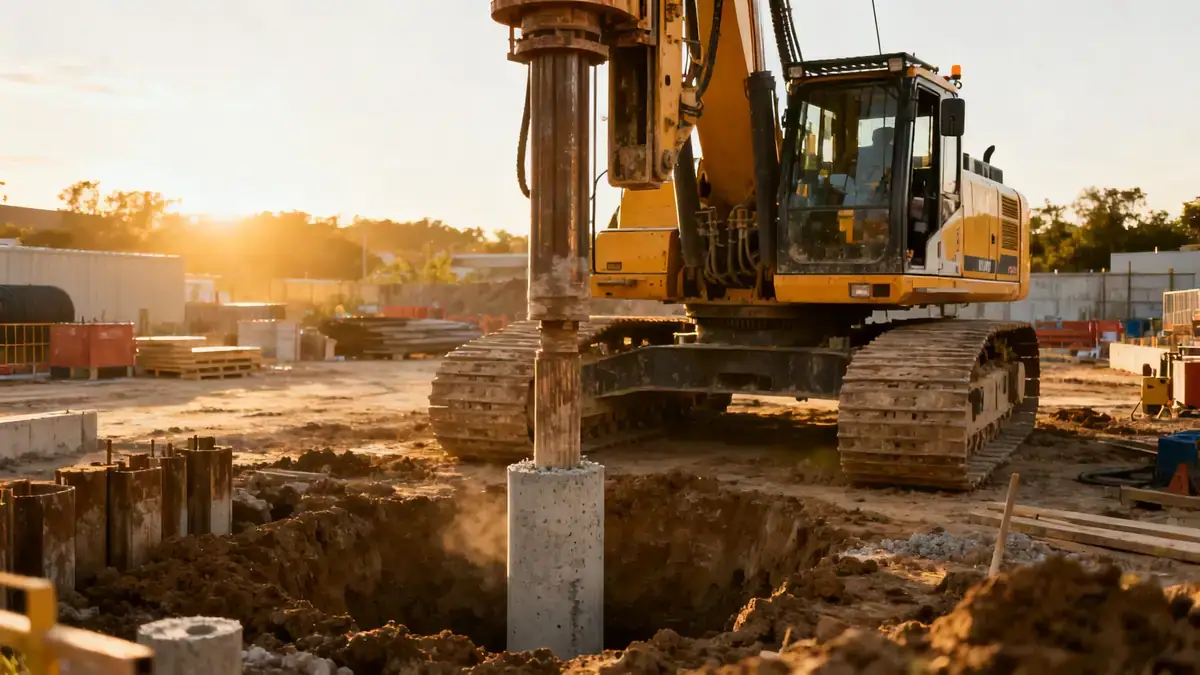
Methodology
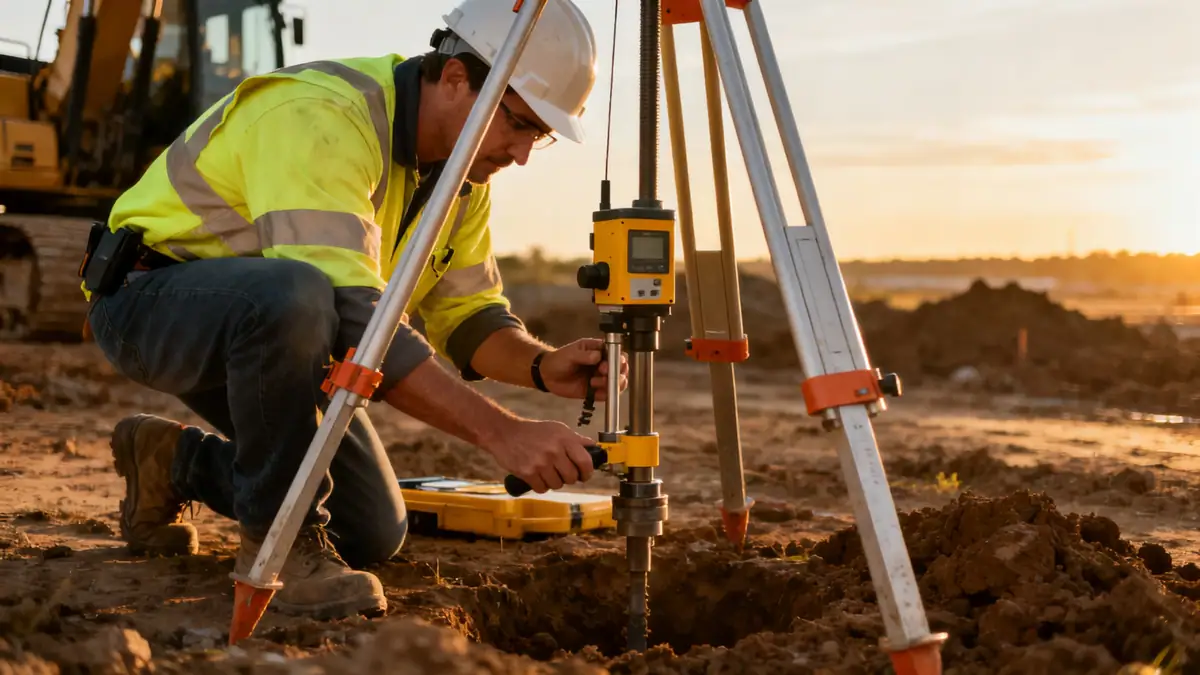
Our methodology for standard penetration test in Nanaimo follows ASTM D1586, using a 63.5 kg hammer dropped 760 mm to drive a split-barrel sampler. We record blow counts per 150 mm increment to obtain N-values, corrected to N60 for energy efficiency. Borings extend to depths of 8–15 m for typical residential projects, with deeper investigations up to 30 m for high-rise or bridge foundations. Sampling intervals are every 1.0–1.5 m, with continuous sampling in critical zones. For advanced profiling, we integrate cone penetration test (cpt) to supplement SPT data. Our field team logs soil types, groundwater conditions, and obstructions in real time, transmitting data to our geotechnical engineers for immediate analysis. All equipment is calibrated per industry standards to ensure repeatability and accuracy.
Reference Technical Parameters
| Parameter | Reference Value |
|---|---|
| Predominant soil type | Glacial till, marine clay, and sand/gravel deposits |
| Maximum seismic acceleration (PGA) | 0.3g to 0.5g per NBCC 2020 |
| Typical groundwater level | 1.5–4.0 m below ground surface |
| Bedrock depth | 5–30 m (variable, deeper in central Nanaimo) |
| Typical N60 range | 10–40 (glacial till); 2–15 (marine clay) |
Local Considerations — Nanaimo
Nanaimo’s subsurface is shaped by glacial and marine processes, with till and clay layers overlying fractured bedrock. Seismic hazard is moderate to high per NBCC 2020, requiring liquefaction assessment using SPT data. Groundwater is often shallow near the waterfront, complicating excavation. Distinct neighborhoods—like the downtown fill areas versus the rocky upland subdivisions—demand tailored investigation programs. A typical case involved a mixed-use development in downtown Nanaimo where SPT revealed loose sand underlain by soft clay, leading to ground improvement recommendations. Our team draws on extensive regional experience, with support from our standard penetration test en Vancouver hub to coordinate larger projects. We also employ dpsh dynamic probing for rapid profiling in till deposits.
Request a Quote
Our team reviews your project and issues an initial report at no cost.
Or write us directly at [email protected]
Services in Nanaimo
Applicable Standards
- ASTM D1586 – Standard Test Method for Standard Penetration Test (SPT)
- NBCC 2020 – National Building Code of Canada (seismic provisions)
- BC Building Code 2020
- CAN/CSA A23.3 – Design of Concrete Structures (foundation requirements)
- ASTM D2487 – Classification of Soils for Engineering Purposes
Frequently Asked Questions
What soil types are encountered in Nanaimo during SPT boring?
Nanaimo’s geology includes glacial till, marine clay, and sand/gravel deposits. SPT boring reveals variable density and consistency, with till often yielding N60 values above 30 and softer marine clays below 10. Local knowledge is crucial for interpreting these layers.
How does seismic hazard affect standard penetration test requirements in Nanaimo?
Nanaimo lies in a moderate-to-high seismic zone, with PGA up to 0.5g. SPT data is essential for liquefaction assessment and site classification per NBCC 2020. Our team ensures blow counts are corrected for energy and overburden to meet regulatory demands.
Is a standard penetration test mandatory for building permits in Nanaimo?
While not always mandatory, geotechnical investigations are required by the BC Building Code for most structures. SPT is the preferred method for determining soil bearing capacity and seismic site class, and local authorities often request SPT results for permit approval.