Methodology
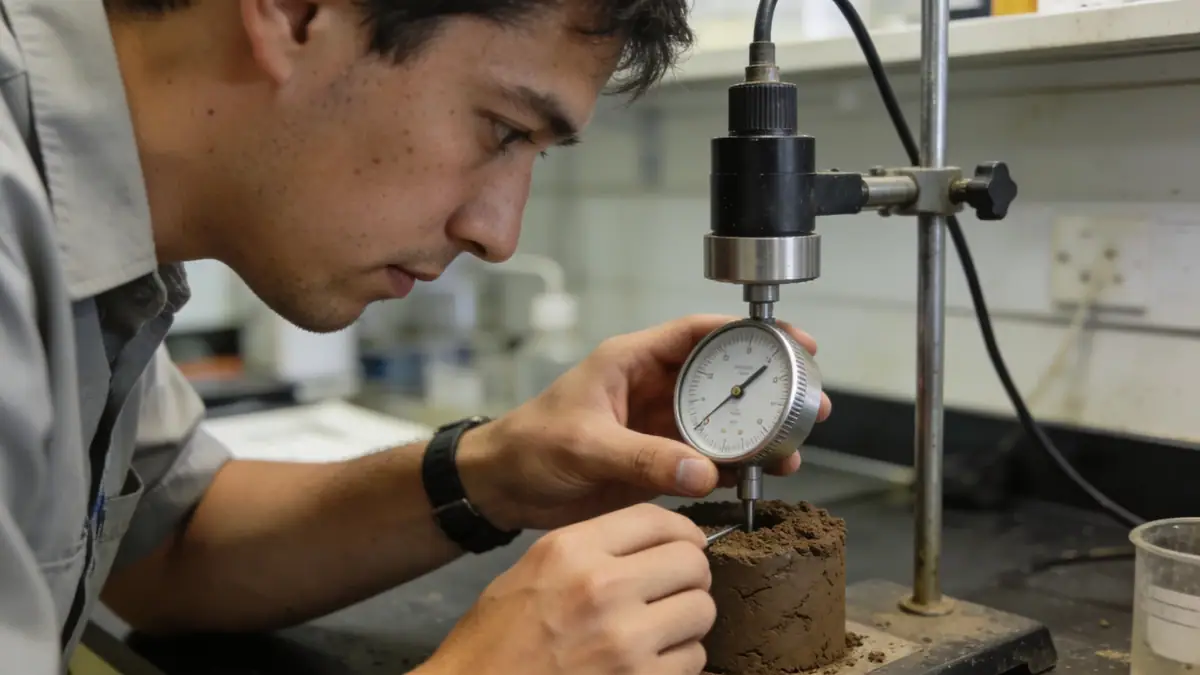
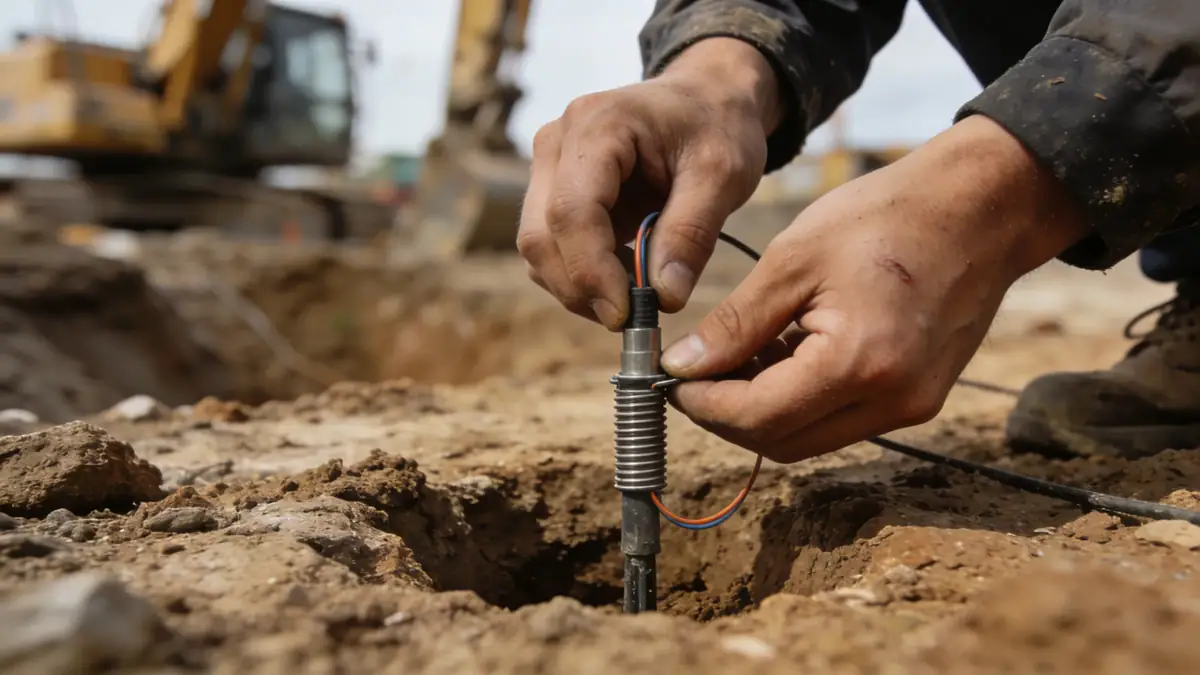
Our methodology for standard penetration test in Surrey follows ASTM D1586, using a 63.5 kg automatic hammer with 76 cm drop to drive a split-spoon sampler. We record blow counts per 15 cm increment (N-value) and retrieve disturbed samples for classification. Boreholes are advanced with rotary or auger methods to depths of 10–30 m, depending on project requirements. In addition to standard penetration test (spt), we integrate borehole logs with laboratory testing (grain size, Atterberg limits) to provide comprehensive geotechnical profiles.
Reference Technical Parameters
| Parameter | Reference Value |
|---|---|
| Predominant soil type | Sand, silt, glacial till |
| Peak ground acceleration (PGA) | 0.35g (NBCC 2020) |
| Typical groundwater depth | 2–5 m below ground surface |
| Bedrock depth | Variable, 15–50 m (overconsolidated till often encountered) |
Local Considerations — Surrey
Surrey’s geology varies from Fraser River floodplain (soft silt/clay) to upland areas (dense till). Seismic site classification (Site Class C/D per NBCC 2020) requires site-specific SPT N60 values for liquefaction assessment. Our team considers local building codes and the City of Surrey’s geotechnical review process. For comprehensive solutions, we also offer cone penetration test (cpt) for continuous profiling in soft soils. Refer to our standard penetration test en Vancouver for regional insights.
Request a Quote
Our team reviews your project and issues an initial report at no cost.
Or write us directly at [email protected]
Services in Surrey
Applicable Standards
- ASTM D1586
- NBCC 2020 Seismic Provisions
- BC Building Code 2018
- City of Surrey Subdivision and Development Servicing Bylaw
Frequently Asked Questions
What soil conditions are typical for standard penetration test in Surrey?
Surrey’s soils include Fraser River silts and sands, glacial till, and occasional organic deposits. SPT N60 values range from 5 to over 50 blows per 30 cm, with till often exceeding 50. Groundwater is shallow in lowlands, requiring careful drilling methods.
How does seismic design affect SPT requirements in Surrey?
Surrey is in NBCC 2020 Seismic Zone 4 with PGA 0.35g. SPT data is used to determine site class (C, D, or E) and assess liquefaction potential. The City of Surrey requires geotechnical reports for most developments, including SPT-based liquefaction analysis.
Are SPT boreholes required for residential projects in Surrey?
For single-family homes on shallow foundations, SPT may be waived if adjacent data exists. However, for multi-unit, commercial, or sites with variable soils, the City requires at least two SPT boreholes to 10 m depth or refusal to characterize subsurface conditions.