
Methodology
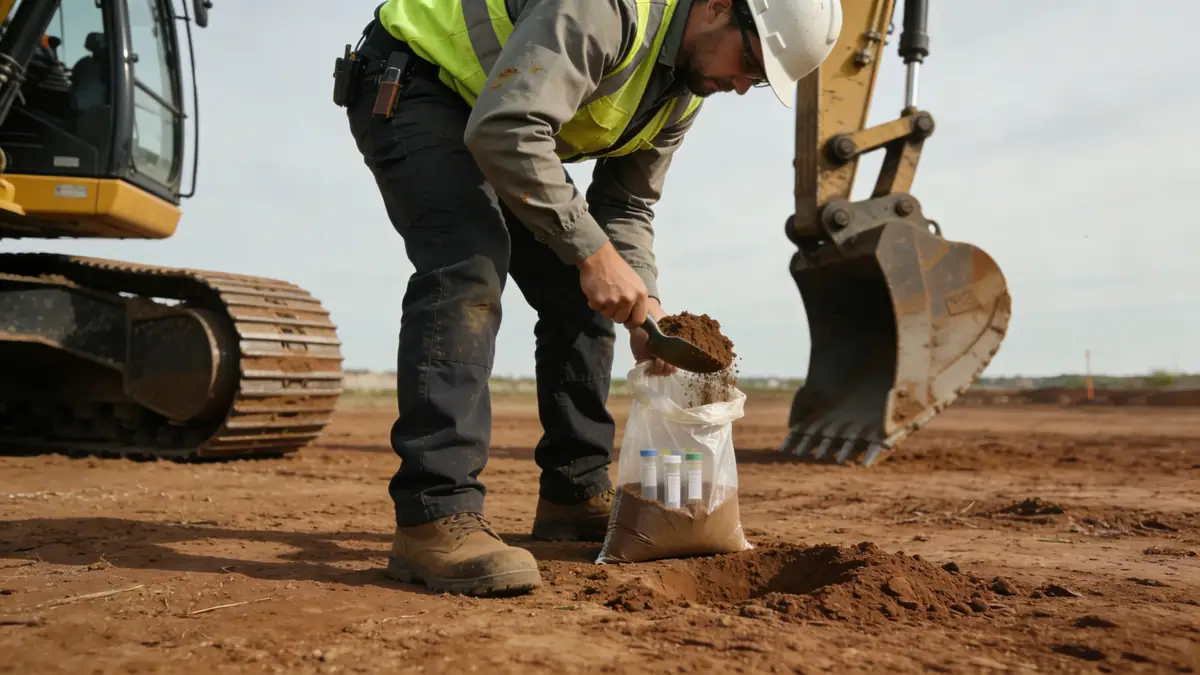
Our approach in Maple Ridge follows ASTM D1586 for the standard penetration test (spt), performed at 1.0 to 1.5 m intervals to capture stratigraphic variations. We utilize automatic hammers and calibrated equipment to measure N60 values, with typical depths ranging from 8 to 30 m depending on project requirements. For soft or loose soils, we supplement with cone penetration testing to obtain continuous profiles. All data is integrated with laboratory testing for comprehensive geotechnical characterization.
Reference Technical Parameters
| Parameter | Reference Value |
|---|---|
| Predominant soil type | Glacial till, silty sand, and gravel over alluvial deposits |
| Maximum seismic acceleration (PGA) | 0.45g (based on NBCC 2020 seismic hazard maps) |
| Typical groundwater level | 2–5 m below grade, varies with season |
| Bedrock depth | 10–30 m, deeper in valley areas |
| Typical N60 range | 10–40 blows/300 mm in sand; >50 in till |
Local Considerations — Maple Ridge
Maple Ridge's subsurface is dominated by glacial till and alluvial sediments from the Fraser River, creating variable bearing capacities. Liquefaction potential is a key concern in low-lying areas near the river, especially under seismic loading (NBCC 2020). Our team recommends SPT at depths up to 20 m to evaluate soil densification. For projects with shallow foundations, we coordinate with our cone penetration test (cpt) service to map continuous soil behavior. Typical challenges include shallow groundwater (2–5 m) and boulders in till, requiring careful drilling techniques. Our experience spans residential subdivisions and commercial developments, ensuring compliance with Maple Ridge's geotechnical requirements.
Request a Quote
Our team reviews your project and issues an initial report at no cost.
Or write us directly at [email protected]
Services in Maple Ridge
Applicable Standards
- ASTM D1586
- NBCC 2020
- BC Building Code 2024
- Canadian Foundation Engineering Manual (CFEM)
- CSA A23.3 for seismic design
Frequently Asked Questions
Why is standard penetration test important for Maple Ridge construction?
Maple Ridge's glacial and alluvial soils have variable density and liquefaction risk. SPT provides N60 values essential for bearing capacity and seismic design per NBCC 2020. It is a direct, reliable method to characterize soil layers and guide foundation decisions.
What typical soil conditions are encountered in Maple Ridge?
Common soils include glacial till (dense silty sand/gravel), alluvial sand, and occasional peat in low-lying areas. Groundwater is typically shallow, and bedrock depth varies from 10 to 30 m. These conditions require careful SPT sampling to assess strength and compressibility.
Are geotechnical investigations mandatory for building permits in Maple Ridge?
Yes, for most projects in seismic zones or variable soils. The BC Building Code requires site-specific geotechnical reports for foundation design. SPT is often specified to verify soil parameters and mitigate liquefaction hazards, especially in areas near the Fraser River.