Methodology
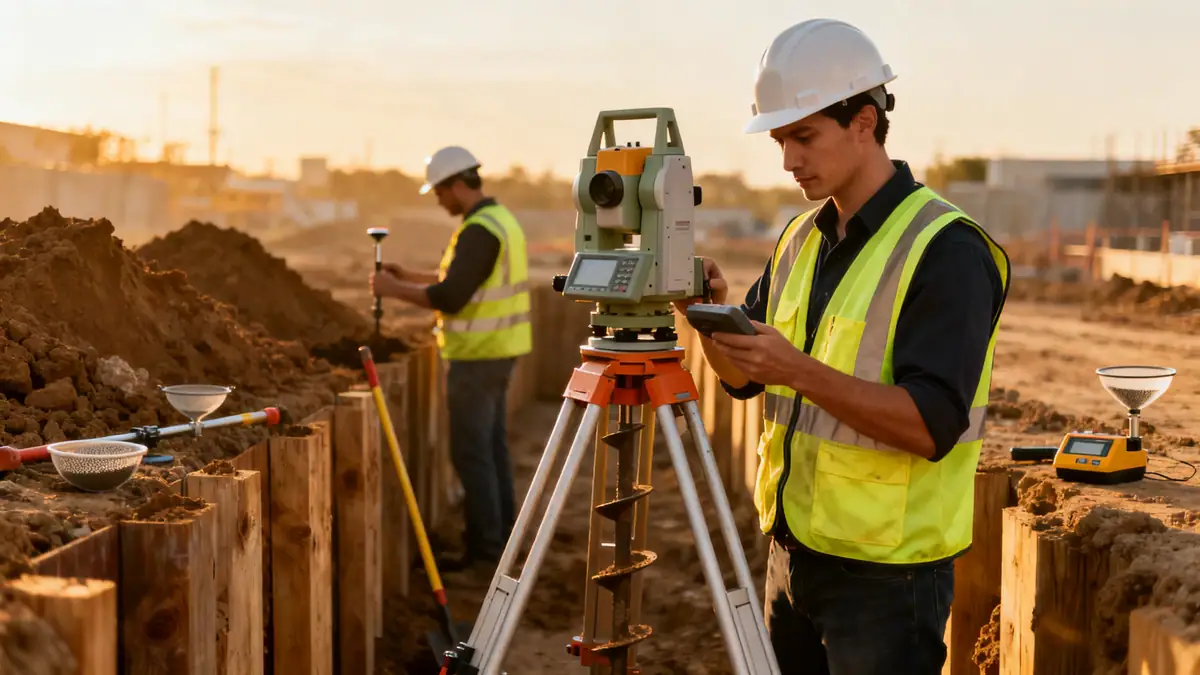
Our methodology for the standard penetration test (spt) in Chilliwack follows ASTM D1586, using a 63.5 kg hammer dropped 760 mm to drive a split-spoon sampler. We record blow counts per 150 mm increment, reporting N-values corrected for overburden and hammer efficiency (N60). Boreholes are advanced using hollow-stem augers or mud rotary techniques, with sampling intervals typically every 1.5 m. Soil samples are logged in the field and transported to our laboratory for classification, moisture content, and Atterberg limits. This systematic approach provides reliable data for bearing capacity analysis and liquefaction assessment in the Chilliwack area.
Reference Technical Parameters
| Parameter | Reference Value |
|---|---|
| Predominant soil type | Glacial till, silty sand, and gravel with occasional clay lenses |
| Maximum seismic acceleration (PGA) | 0.32g (NBCC 2020, site class C) |
| Typical groundwater level | 2-5 m below ground surface |
| Bedrock depth | Variable, typically 10-30 m (sandstone and conglomerate) |
| Typical N60 range | 10-50 blows/300 mm (sands to dense till) |
Local Considerations — Chilliwack
Chilliwack's geology is dominated by Quaternary glacial and fluvial deposits from the Fraser River and its tributaries. The shallow subsurface often contains loose sands and silts, while deeper strata include dense glacial till. The water table is typically high (2-5 m), requiring dewatering or casing during drilling. Seismic hazard is moderate (PGA 0.32g per NBCC 2020), making liquefaction assessment critical for loose saturated sands. Our team has extensive experience with SPT in Chilliwack's residential subdivisions and commercial sites. For projects requiring deeper characterization, we collaborate with our cone penetration test (cpt) specialists. Additionally, our hub in standard penetration test en Vancouver supports regional operations.
Request a Quote
Our team reviews your project and issues an initial report at no cost.
Or write us directly at [email protected]
Services in Chilliwack
Applicable Standards
- ASTM D1586
- NBCC 2020 (National Building Code of Canada)
- BC Building Code 2024
- Canadian Foundation Engineering Manual (CFEM)
Frequently Asked Questions
What are the typical soil types encountered in Chilliwack?
The dominant soils are glacial till, silty sands, and gravels, with occasional organic layers in low-lying areas. Fine-grained deposits are common near the Fraser River. The standard penetration test (SPT) helps differentiate these strata and assess their engineering properties.
Is seismic site characterization required for buildings in Chilliwack?
Yes, the BC Building Code mandates site classification based on shear wave velocity or SPT N-values. Chilliwack is in a moderate seismic zone, and liquefaction assessment is often required for sites with loose saturated sands. Our SPT services provide the necessary data for these evaluations.
What depth ranges are typical for SPT boreholes in Chilliwack?
Depths generally range from 8 to 15 m for residential projects, and up to 30 m for commercial or infrastructure works. The depth is determined by the anticipated load and soil stratigraphy. Our team follows ASTM D1586 to ensure consistent sampling and accurate blow counts.