Methodology
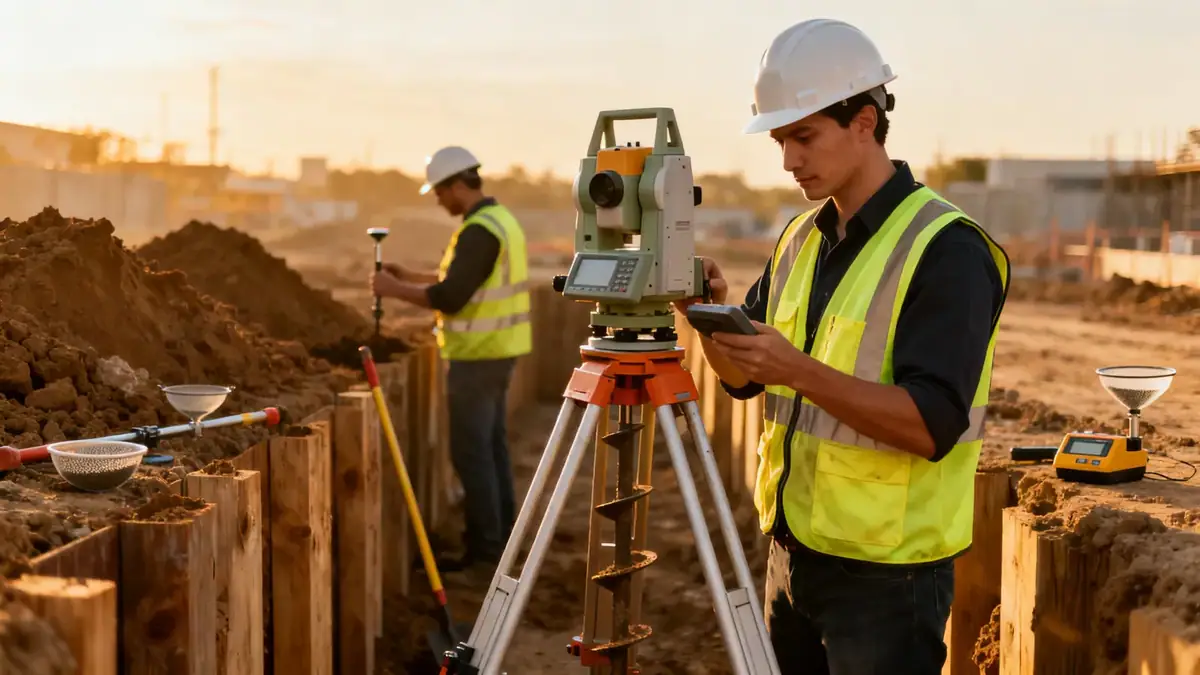
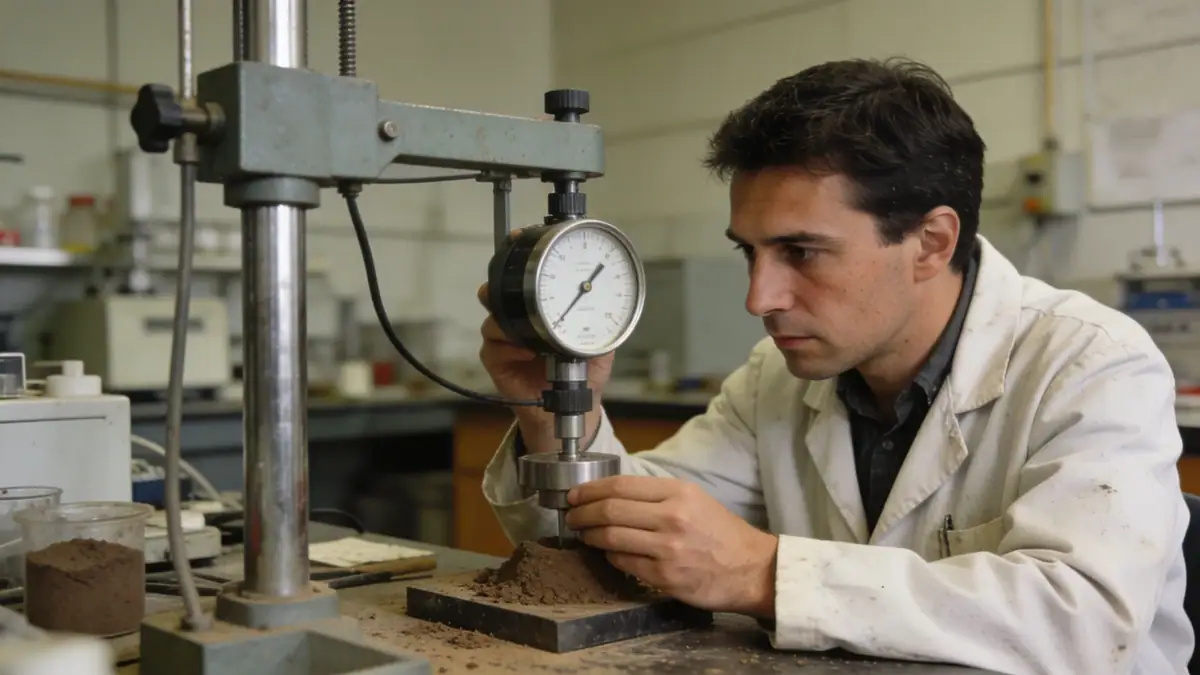
Our methodology for standard penetration test in Kelowna adheres strictly to ASTM D1586 standards. We perform boreholes using a safety hammer with a 63.5 kg drop weight falling 762 mm, recording blow counts per 300 mm penetration. The SPT N-values are corrected for overburden pressure and hammer efficiency to obtain N60 values, which are correlated with soil density and strength parameters. This approach is integrated with our standard penetration test (spt) service, providing comprehensive data for geotechnical analysis in Kelowna.
Reference Technical Parameters
| Parameter | Reference Value |
|---|---|
| Predominant soil type | Silty sand and gravel (glaciofluvial deposits) |
| Maximum seismic acceleration (PGA) | 0.26g (2% in 50 years) |
| Typical groundwater level | 3–10 m below ground surface |
| Bedrock depth | 15–30 m (variable) |
| Typical N60 range | 10–40 blows/300 mm |
Local Considerations — Kelowna
Kelowna's subsurface conditions vary significantly between the valley floor and hillside developments. The city is located in a seismically active region; the National Building Code of Canada requires site-specific seismic hazard assessments for structures. Typical challenges include shallow groundwater in low-lying areas and variable bedrock depths. Our team has extensive experience navigating these conditions. For complex regional projects, we coordinate with our standard penetration test en Vancouver hub to leverage broader expertise. Additionally, we employ cone penetration test (cpt) for continuous profiling in sensitive soils.
Request a Quote
Our team reviews your project and issues an initial report at no cost.
Or write us directly at [email protected]
Services in Kelowna
Applicable Standards
- ASTM D1586
- National Building Code of Canada 2020
- Canadian Foundation Engineering Manual
- BC Building Code
- ASTM D2487 (Unified Soil Classification)
Frequently Asked Questions
What are the typical soil conditions for standard penetration test in Kelowna?
Kelowna's soils are predominantly silty sands and gravels from glacial deposits, with occasional clay lenses. Bedrock (typically gneiss or granite) lies at depths of 15–30 m. Groundwater levels fluctuate seasonally, often encountered at 3–10 m. These conditions are well-suited for SPT testing to assess bearing capacity and liquefaction potential.
Is standard penetration test required for seismic design in Kelowna?
Yes, the National Building Code of Canada mandates site-specific seismic hazard analysis for structures in Kelowna. SPT N-values are used to classify soil type (Site Class A–F) and evaluate liquefaction susceptibility under seismic loading. Our testing provides critical data for determining design acceleration spectra.
How deep are standard penetration test boreholes typically drilled in Kelowna?
Borehole depths depend on the project type. For residential projects, depths of 8–15 m are common to penetrate soft soils and reach competent bearing strata. Commercial or multi-story structures may require depths of 20–30 m to assess deeper soil layers and bedrock conditions, following ASTM D1586 guidelines.