Methodology
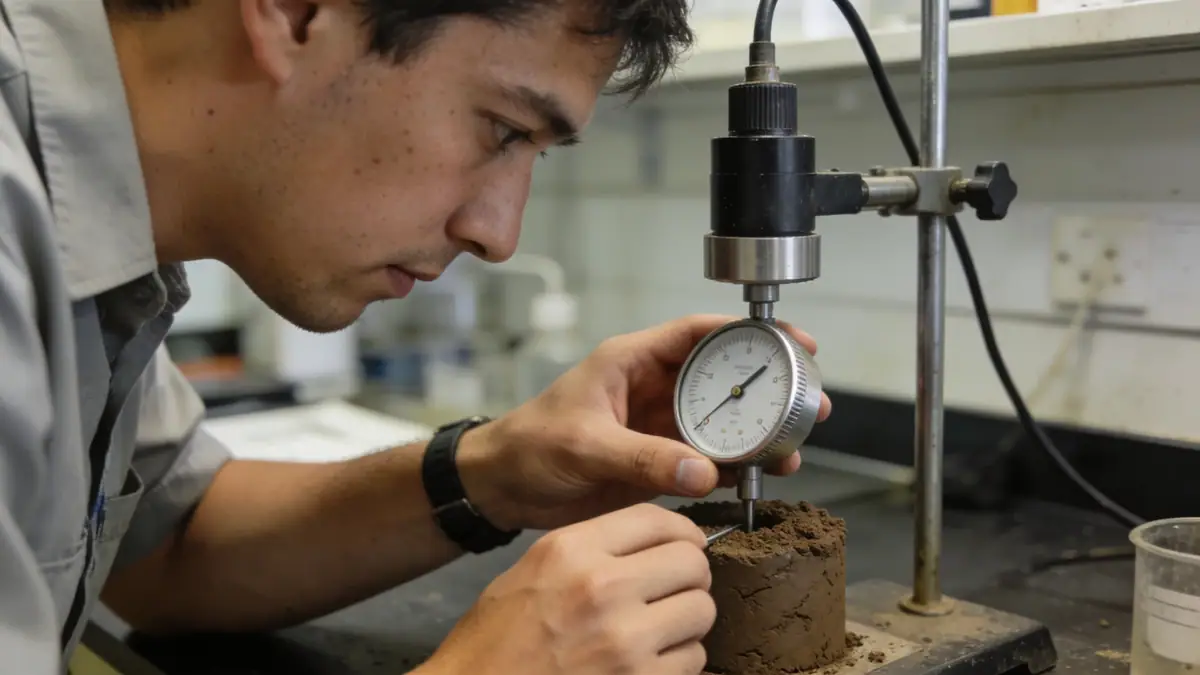
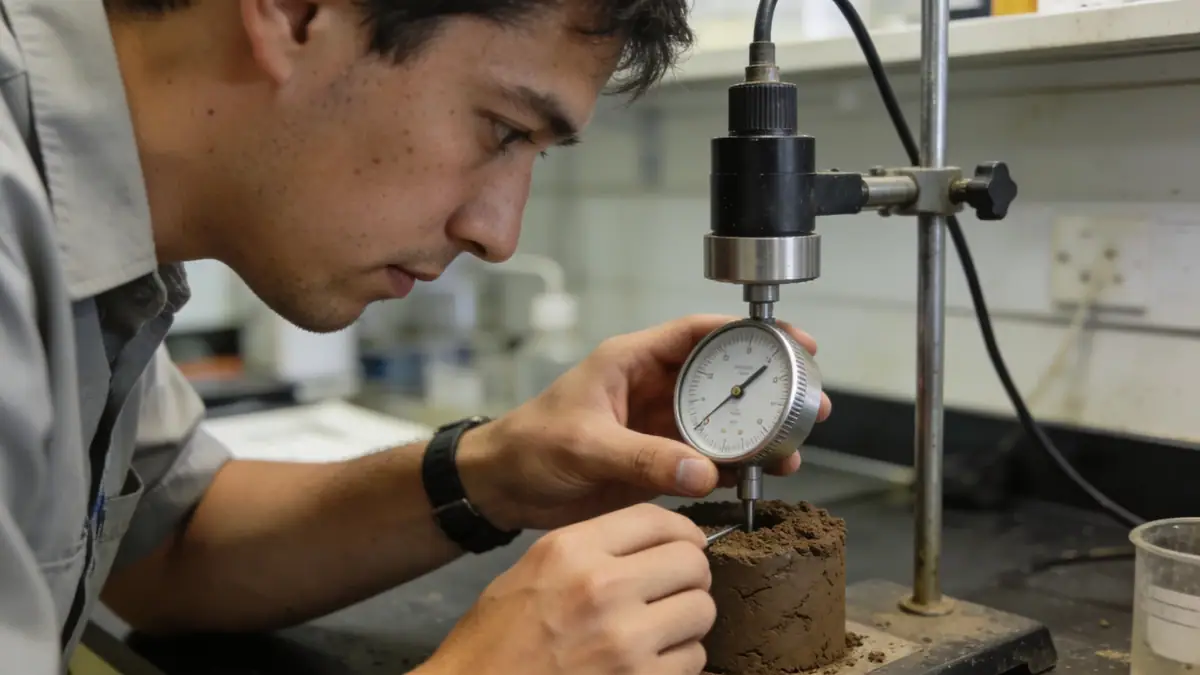
Our methodology for standard penetration test in Burnaby follows ASTM D1586, with continuous sampling at 1.5 m intervals. We use a 63.5 kg hammer with a 760 mm drop to drive a split-spoon sampler, recording blow counts per 150 mm increment. N-values are corrected for overburden and hammer efficiency to obtain N60. In cohesive soils, we retrieve undisturbed tube samples for laboratory testing. For detailed stratigraphic profiling, we often complement SPT with cone penetration test (cpt) to obtain continuous tip resistance and pore pressure data. Fieldwork is supervised by experienced engineers, and data is integrated with local geotechnical models to support foundation recommendations.
Reference Technical Parameters
| Parameter | Reference Value |
|---|---|
| Predominant Soil Type | Glacial till, silty sand, clay |
| Maximum Seismic Acceleration (PGA) | 0.40g (ASCE 7 seismic hazard) |
| Typical Groundwater Level | 1.5 to 4.0 m below surface |
| Bedrock Depth | Variable; 15–40 m in valley areas |
| Typical N60 Range | 10–30 (sands), 5–15 (clays) |
Local Considerations — Burnaby
Burnaby's geology is shaped by glacial processes, resulting in complex interbedding of sands, silts, and clays. The shallow water table requires dewatering considerations for deep excavations. Seismic site classification per ASCE 7 typically yields Site Class D or E due to soft soil profiles. In eastern Burnaby (Burnaby Mountain), dense till and shallow bedrock are common, while western areas near Deer Lake exhibit thicker soft clay deposits. Our team has extensive experience with standard penetration test (spt) in these varied conditions. For infrastructure projects, we recommend additional dynamic probing to assess liquefaction potential. For more information on our regional work, see our standard penetration test en Vancouver services.
Request a Quote
Our team reviews your project and issues an initial report at no cost.
Or write us directly at [email protected]
Services in Burnaby
Applicable Standards
- ASTM D1586
- ASCE 7-22
- British Columbia Building Code 2024
- Canadian Foundation Engineering Manual (CFEM)
- CSA A23.3
Frequently Asked Questions
What soil types are commonly encountered during SPT in Burnaby?
Typical soils include glacial till, silty sands, and soft to firm clays. The Fraser River delta influences western areas, while till dominates the eastern slopes. Our tests capture these variations to provide accurate N60 profiles.
How does seismic hazard affect standard penetration test requirements in Burnaby?
Burnaby lies in a high seismic zone (PGA 0.40g). SPT-derived N60 values are used for site class determination per ASCE 7, which influences design spectra. Liquefaction assessment often requires additional SPT borings to 30 m depth.
Are SPT borings mandatory for new construction in Burnaby?
The BC Building Code mandates geotechnical investigations for most structures. SPT is the preferred method for seismic site classification and bearing capacity. Our firm ensures compliance with local regulations through proper sampling and reporting.