Methodology
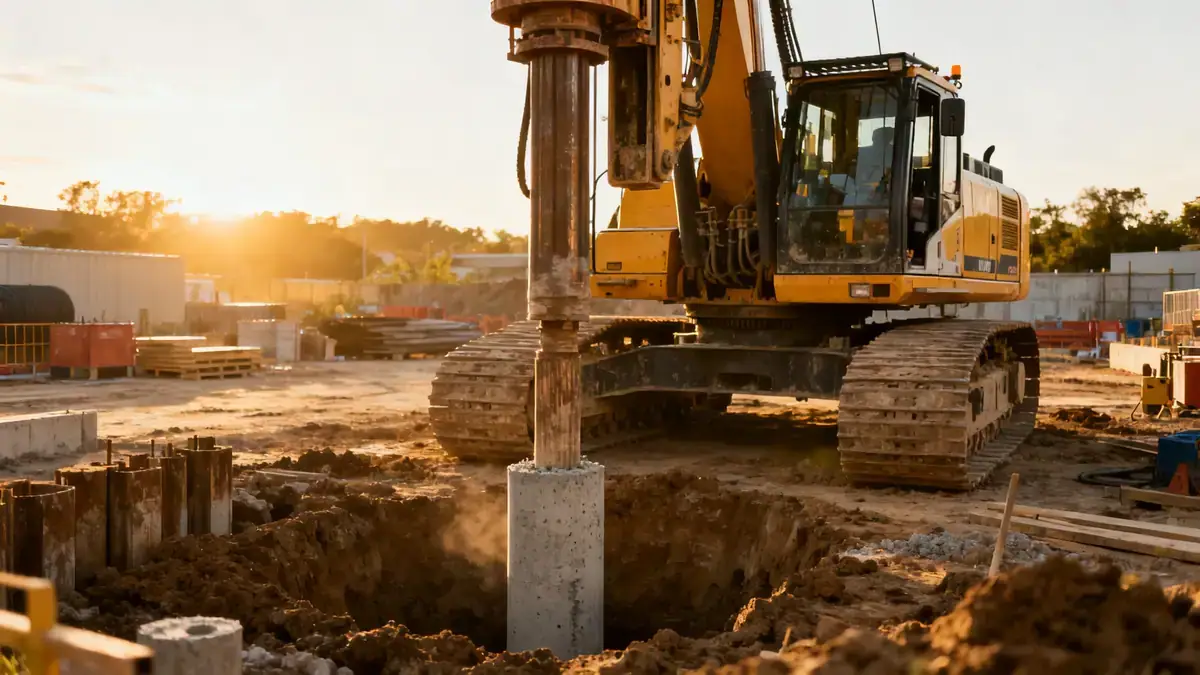
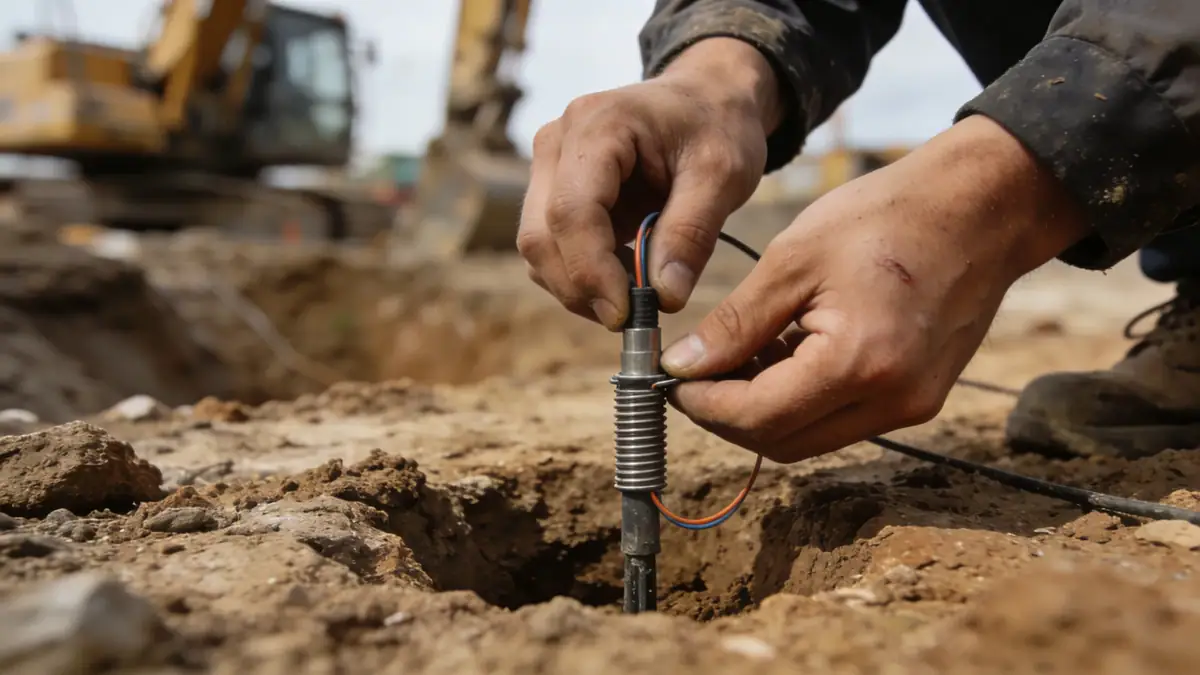
Our methodology for standard penetration test in North Vancouver adheres to ASTM D1586, with boreholes advanced using continuous flight augers or mud rotary techniques to recover disturbed and undisturbed samples. We record blow counts at 0.3 m intervals, yielding N-values corrected for energy efficiency (N60). A typical SPT program involves boreholes to depths of 8–15 m for residential projects and up to 30 m for high-rises or deep excavations. We integrate SPT results with lab testing on retrieved samples, including grain size distribution (ASTM D6913) and Atterberg limits (ASTM D4318). For additional subsurface insight, we may recommend cone penetration test (cpt) in soft soil areas to obtain continuous profiling.
Reference Technical Parameters
| Parameter | Reference Value |
|---|---|
| Predominant soil type | Glacial till, sand, and silt with cobbles |
| Maximum seismic acceleration (PGA) | 0.3–0.4 g (per NBCC 2020, Site Class C–D) |
| Typical groundwater level | 1.5–4.5 m below grade |
| Bedrock depth | 10–30 m (sandstone or conglomerate) |
| Typical N60 range | 5–40 (soft to dense sand/till) |
Local Considerations — North Vancouver
North Vancouver's geology is dominated by Pleistocene glacial deposits, including till, glaciofluvial sands, and marine silts, overlying Cretaceous sedimentary bedrock. High groundwater levels are common in low-lying areas near Burrard Inlet, requiring dewatering considerations for excavations. The region falls under NBCC 2020 seismic hazard zone with PGA up to 0.4 g, demanding rigorous site response analysis for essential structures. In contrast, higher elevations like the British Properties feature shallow bedrock, reducing liquefaction risk. Typical foundation solutions include spread footings on till or piles bearing on bedrock. Our local experience is complemented by our standard penetration test en Vancouver hub, which covers broader regional practices.
Request a Quote
Our team reviews your project and issues an initial report at no cost.
Or write us directly at [email protected]
Services in North Vancouver
Applicable Standards
- ASTM D1586
- NBCC 2020 (National Building Code of Canada)
- BCBC 2020 (British Columbia Building Code)
- Canadian Foundation Engineering Manual (CFEM)
Frequently Asked Questions
What soil conditions are typical for standard penetration test in North Vancouver?
Soils in North Vancouver are predominantly glacial till, sand, and silt, often with cobbles and boulders. SPT in these conditions provides N-values that help assess density and strength. Groundwater is typically shallow, requiring careful drilling methods.
How does seismic design in North Vancouver affect SPT requirements?
North Vancouver is in a high-seismicity zone per NBCC 2020, with PGA up to 0.4 g. SPT data is essential for determining site class (C, D, or E) and evaluating liquefaction potential. Borehole depth must extend to competent strata for reliable site response analysis.
Is a standard penetration test mandatory for building permits in North Vancouver?
Yes, most municipalities in North Vancouver require a geotechnical investigation for new buildings. SPT is a key component to characterize subsurface conditions and provide foundation recommendations. The British Columbia Building Code (BCBC 2020) mandates such assessments for seismic safety.