
Methodology
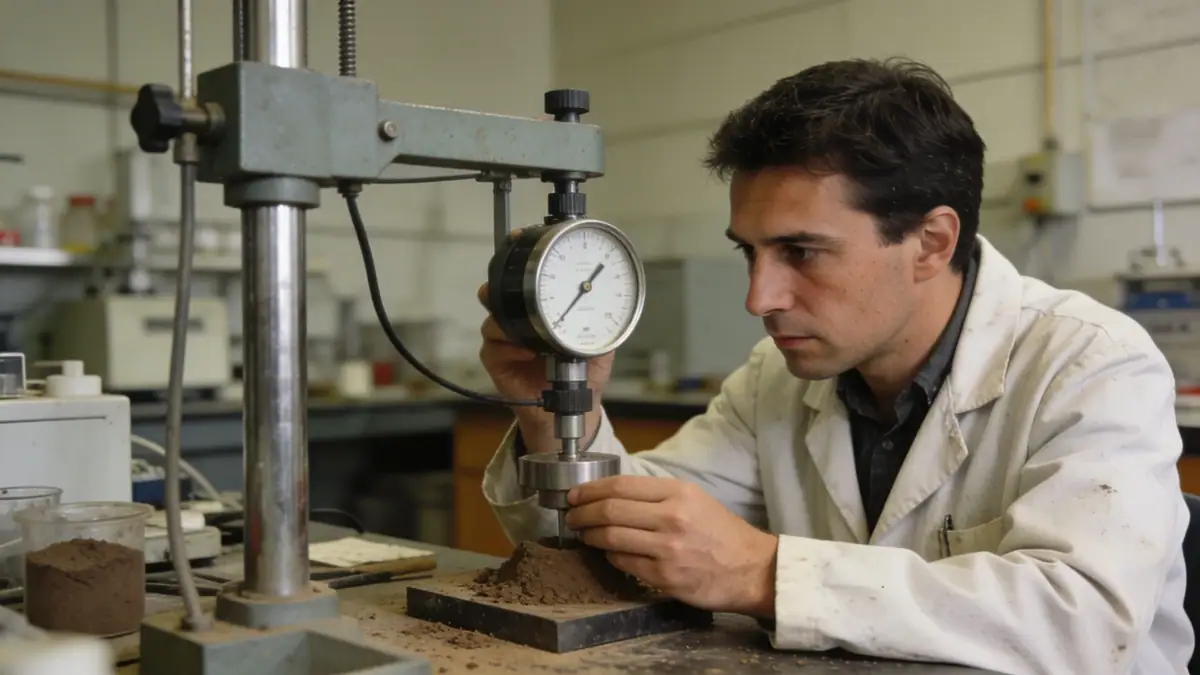
Our methodology for standard penetration testing in Fredericton follows ASTM D1586, with a 63.5 kg hammer dropped 760 mm to drive a split-barrel sampler. We record blow counts per 150 mm increment, reporting N60 values after energy correction. In typical Fredericton soils, we conduct SPT at 1.5 m intervals to a depth of 15 m, adjusting for refusal or groundwater conditions. Our team integrates SPT results with other in-situ tests, such as cone penetration test (cpt), to correlate soil behavior. We also perform energy measurements to ensure repeatability, providing clients with reliable parameters for foundation design in this geologically diverse city.
Reference Technical Parameters
| Parameter | Reference Value |
|---|---|
| Predominant soil type | Alluvial silty sand and gravel over till |
| Maximum seismic acceleration (PGA) | 0.15 g (NBCC 2020) |
| Typical groundwater level | 2–4 m below surface |
| Bedrock depth | 10–25 m (Fredericton area) |
| Typical N60 range | 5–30 blows/300 mm |
Local Considerations — Fredericton
Fredericton's geology is dominated by Quaternary alluvial deposits from the Saint John River, underlain by Paleozoic sedimentary bedrock. The city lies in a moderate seismic zone (NBCC 2020 PGA 0.15 g), requiring careful liquefaction assessment for loose sand layers. Groundwater is typically shallow (2–4 m), complicating excavations and dewatering. Downtown Fredericton features fill and organic soils, while suburban areas have glacial till with variable boulder content. Our firm frequently encounters these conditions in residential and commercial projects. For regional context, our standard penetration test en Halifax team applies similar methodologies adapted to coastal geology. We also offer dpsh dynamic probing for rapid profiling in till deposits.
Request a Quote
Our team reviews your project and issues an initial report at no cost.
Or write us directly at [email protected]
Services in Fredericton
Applicable Standards
- ASTM D1586
- NBCC 2020 (National Building Code of Canada)
- CSA A23.3 (Concrete Design)
- New Brunswick Building Code Act
Frequently Asked Questions
What is the typical soil profile in Fredericton for standard penetration testing?
Fredericton's soil profile generally consists of 2–5 m of alluvial silty sand and gravel over glacial till, with bedrock (sandstone/siltstone) at depths of 10–25 m. SPT N60 values range from 5–30 in the upper layers, increasing in till. Groundwater is often encountered within 2–4 m, requiring casing or drilling fluid.
Is standard penetration testing required for building permits in Fredericton?
Yes, the New Brunswick Building Code Act and NBCC 2020 mandate geotechnical investigations for most structures, especially where seismic design or shallow foundations are involved. SPT is commonly used to assess soil strength, liquefaction potential, and settlement parameters. Our firm ensures compliance with local and national regulations.
How does seismic risk in Fredericton affect standard penetration test requirements?
Fredericton has a moderate seismic hazard (PGA 0.15 g per NBCC 2020). Loose saturated sands from the river alluvium are susceptible to liquefaction. SPT provides N60 values essential for evaluating cyclic resistance ratios and triggering analyses. Our testing includes energy correction and fines content correlation to meet code requirements.