
Methodology
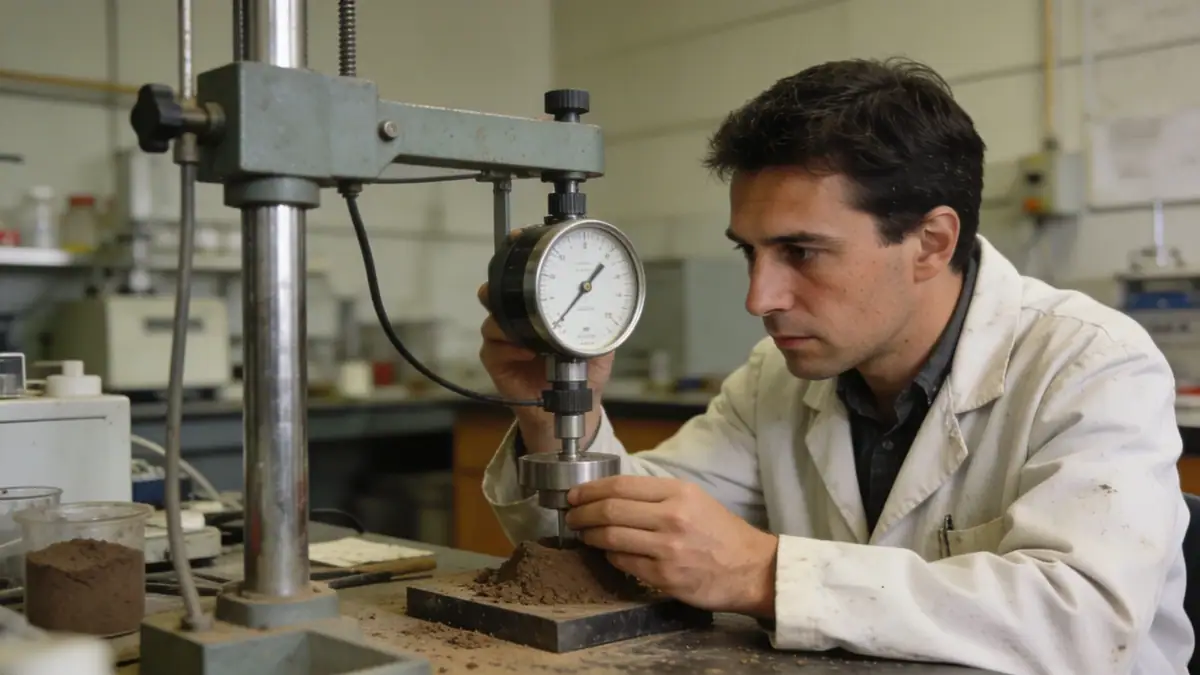
Our approach for standard penetration test (SPT) in Moncton follows ASTM D1586, with sampling intervals of 1.0–1.5 m to capture stratigraphic changes in glacial till and alluvial layers. We perform standard penetration test (spt) operations using automatic hammers, recording N-values corrected for energy efficiency (N60). Testing extends to refusal or bedrock, typically 15–30 m depth, with groundwater monitoring during and after drilling. Data interpretation includes blow count profiles, soil classification, and engineering parameters for foundation design.
Reference Technical Parameters
| Parameter | Reference Value |
|---|---|
| Predominant soil type | Glacial till (silty sand with gravel) and glaciofluvial sand |
| Maximum seismic acceleration (PGA) | 0.20g (NBCC 2020, 2% in 50 years) |
| Typical groundwater level | 2–5 m below ground surface |
| Bedrock depth | 15–30 m (Carboniferous sandstone/shale) |
| Typical N60 range (till) | 15–40 blows/300 mm |
Local Considerations — Moncton
Moncton's subsurface is dominated by glacial till and alluvial deposits, with occasional organic layers in low-lying areas. Seismic design follows NBCC 2020, requiring site-specific acceleration spectra. Groundwater levels fluctuate seasonally, affecting excavation and dewatering. Our team integrates these factors with cone penetration test (cpt) data for continuous profiling. For projects near the Petitcodiac River, careful consideration of soft sediments is needed. All work complies with local building bylaws and provincial regulations, ensuring reliable foundation recommendations. For broader regional context, see our work in standard penetration test en Halifax.
Request a Quote
Our team reviews your project and issues an initial report at no cost.
Or write us directly at [email protected]
Services in Moncton
Applicable Standards
- ASTM D1586 (Standard Test Method for SPT)
- NBCC 2020 (National Building Code of Canada)
- CSA A23.3 (Concrete Design)
- New Brunswick Building Code Act
Frequently Asked Questions
What soil conditions are typical for standard penetration test in Moncton?
Moncton's soils are predominantly glacial till (silty sand with gravel) and glaciofluvial sand. SPT N60 values typically range from 15 to 40 blows/300 mm in till, with lower values in alluvial deposits. Bedrock (Carboniferous sandstone/shale) is encountered at 15–30 m depth.
How does seismic hazard affect standard penetration test requirements in Moncton?
Moncton is in NBCC 2020 Seismic Hazard Category 2 (PGA 0.20g). SPT data is used to determine soil class (Site Class C or D) for site-specific response spectra, influencing foundation design and liquefaction assessment per NBCC 2020.
Is a standard penetration test mandatory for foundation design in Moncton?
For major structures in Moncton, geotechnical investigation including SPT is required per the New Brunswick Building Code. For residential projects, it is recommended when soil variability or seismic concerns exist. Our firm provides SPT data to meet regulatory and design needs.