Methodology
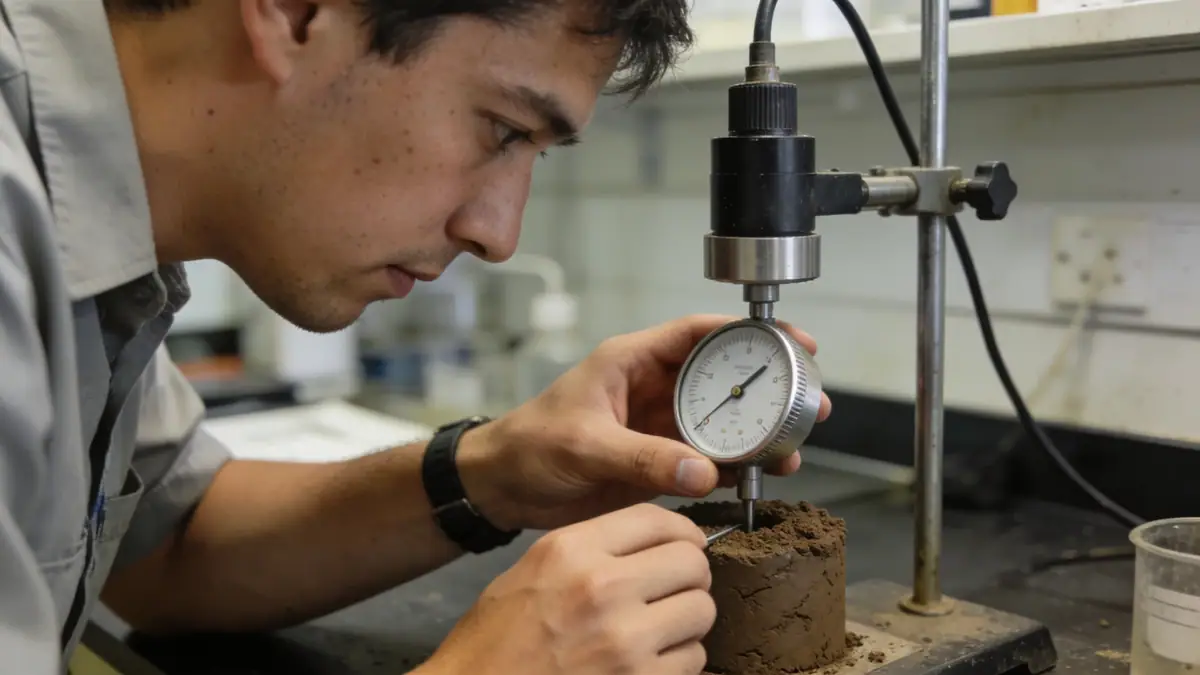
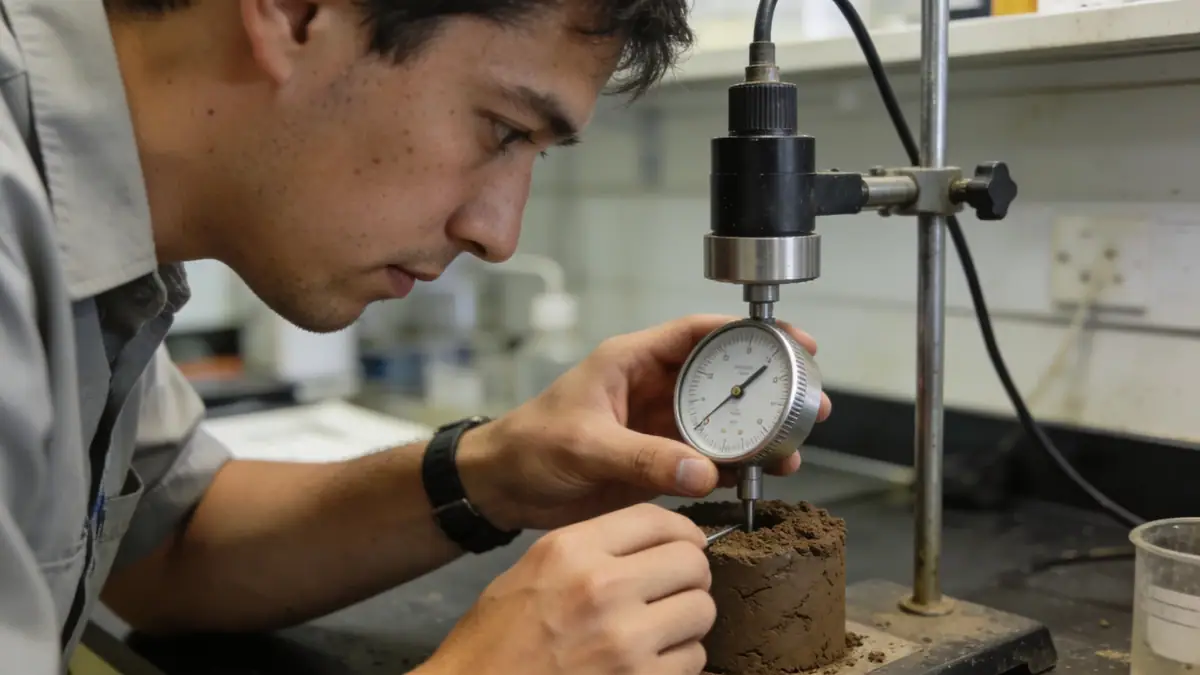
Our methodology for standard penetration test in Hamilton follows ASTM D1586, with split-spoon sampling at 1.5-meter intervals to obtain N60 values. We employ automatic hammers to ensure consistent energy transfer, and our crew logs soil types and groundwater conditions in real time. For deeper investigations, we integrate standard penetration test (spt) with other methods to characterize the Queenston Shale and overlying glacial deposits. All data is processed to generate detailed borehole logs and geotechnical profiles, supporting foundation recommendations and liquefaction assessments per NBCC 2020 seismic provisions.
Reference Technical Parameters
| Parameter | Reference Value |
|---|---|
| Predominant soil type | Glacial till (silty clay to sandy silt) over Queenston Shale |
| Maximum seismic acceleration (PGA) | 0.2g to 0.3g (NBCC 2020, Site Class C) |
| Typical groundwater level | 3-8 m below ground surface, variable with season |
| Bedrock depth | 10-30 m (deepest in downtown fill areas) |
| Typical N60 range | 10-40 blows/0.3 m (till), 50+ (weathered shale) |
Local Considerations — Hamilton
Hamilton's subsurface is dominated by Wisconsinan glacial till overlying Queenston Shale, with local lacustrine clays in the Dundas Valley. Groundwater levels fluctuate seasonally, often requiring dewatering for excavations. Seismic hazard is moderate (PGA up to 0.3g), and liquefaction potential is low except in loose fill near the harbor. For projects in former industrial areas (e.g., Hamilton Harbour), contamination assessments are often required. Our team collaborates with local geologists and uses cone penetration test (cpt) for continuous profiling in soft soils. For regional context, our standard penetration test en Toronto hub provides complementary insights for the Greater Toronto Area.
Request a Quote
Our team reviews your project and issues an initial report at no cost.
Or write us directly at [email protected]
Services in Hamilton
Applicable Standards
- ASTM D1586
- NBCC 2020
- Ontario Building Code (OBC) 2012
- CSA A23.3
- OHSA regulations
Frequently Asked Questions
What soil types are commonly found in Hamilton?
Hamilton's soil profile typically consists of glacial till (silty clay to sandy silt) over Queenston Shale. In the Dundas Valley, lacustrine clays may be present. Fill materials are common in the harbor area, requiring careful SPT sampling to assess variability.
Is seismic site classification required for buildings in Hamilton?
Yes, the Ontario Building Code adopts NBCC 2020 seismic provisions, requiring site classification (Site Class A to F) based on shear wave velocity or SPT N60 values. Our standard penetration test services provide the N60 data needed for classification, especially for structures in Seismic Design Categories D or higher.
Are geotechnical investigations mandatory for residential projects in Hamilton?
For single-family homes, geotechnical studies are not always mandatory, but they are recommended for houses with basements or on sloped lots. For multi-unit residential buildings, the OBC requires a geotechnical report, including SPT borings, to verify bearing capacity and groundwater conditions.