Methodology
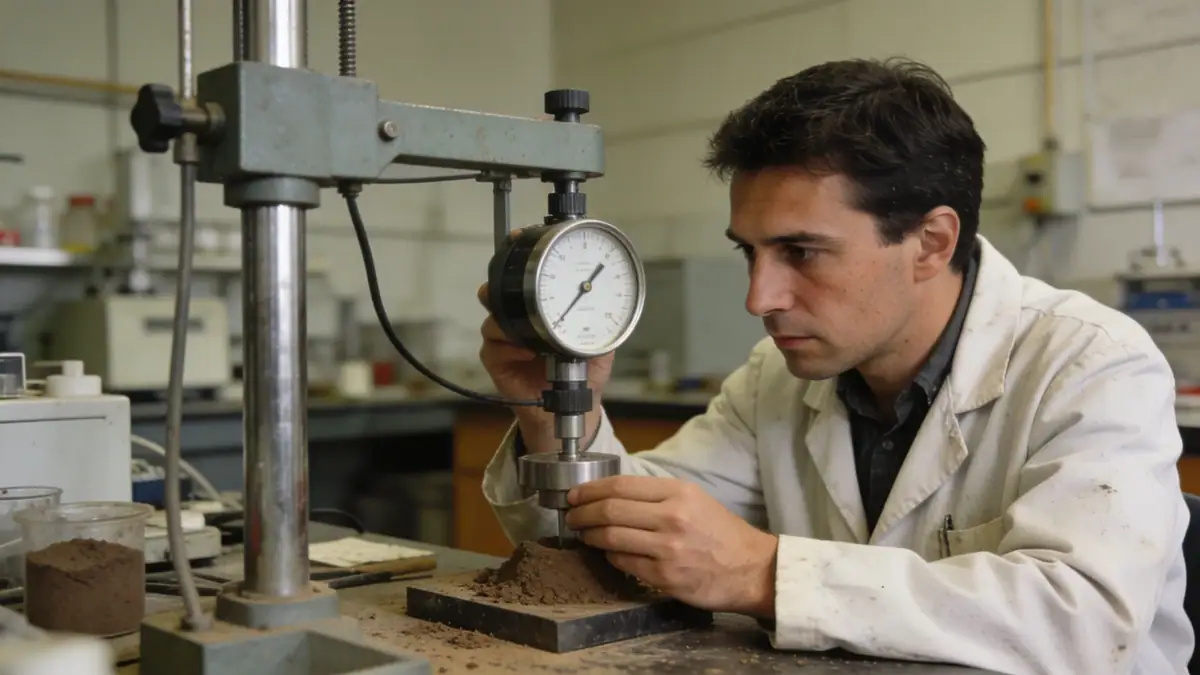
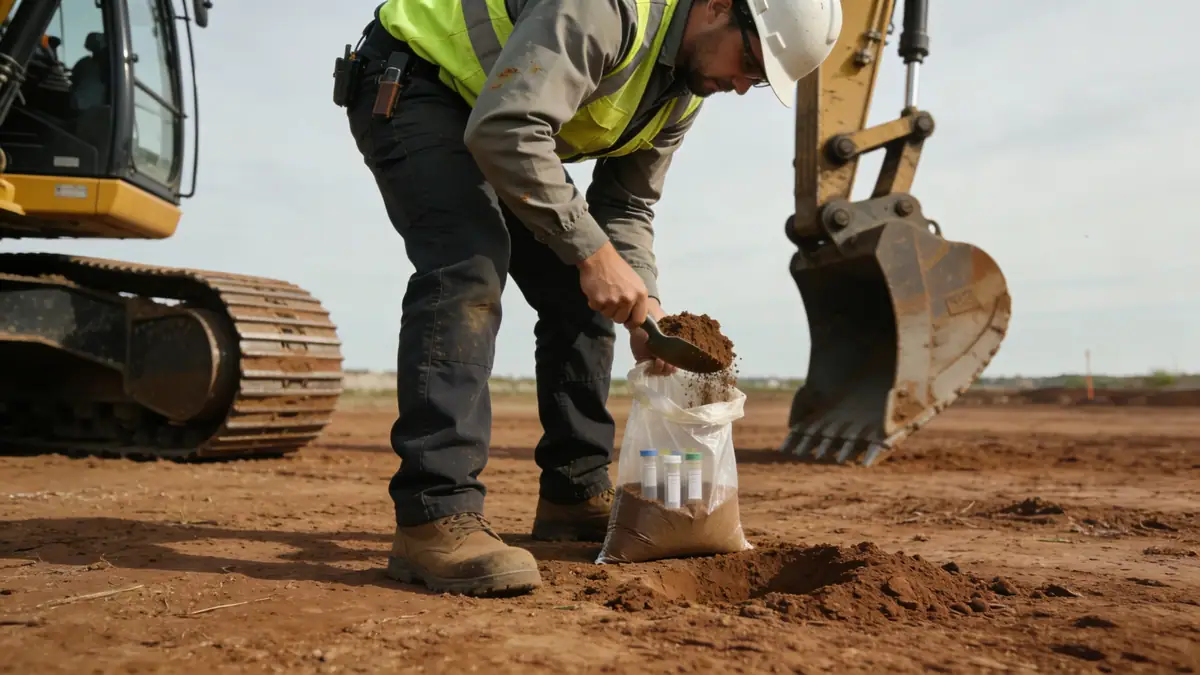
Our methodology for standard penetration test in Cambridge Ontario follows ASTM D1586. We perform SPT borings at intervals of 1.0 to 1.5 m, recording N-values and collecting disturbed samples. Data is used to estimate relative density, shear strength, and liquefaction potential. For detailed profiling, we integrate cone penetration test (cpt) where continuous stratigraphy is required. All fieldwork is supervised by experienced geotechnical engineers.
Reference Technical Parameters
| Parameter | Reference Value |
|---|---|
| Predominant soil type | Glacial till (silty sand to sandy silt) with occasional clay lenses |
| Typical groundwater depth | 3–8 m below ground surface |
| Bedrock depth | 20–40 m (Dolomite/limestone of the Guelph Formation) |
| Design seismic PGA (NBCC 2020) | 0.12 g (Seismic Zone 0) |
| Typical N60 range (till) | 15–40 blows/0.3 m |
Local Considerations — Cambridge Ontario
Cambridge's glacial till presents variable density and occasional cobbles, requiring careful SPT hammer energy calibration. Groundwater levels fluctuate seasonally, affecting foundation design. While seismic hazard is low, site-specific response spectra may be needed for critical structures. Older industrial areas near the Grand River may contain fill or contaminated soils, demanding phased investigations. For complex sites, our team coordinates with dpsh dynamic probing to assess bearing capacity in heterogeneous till. Our main operations are coordinated from our standard penetration test services in Toronto, ensuring consistent quality across the region.
Request a Quote
Our team reviews your project and issues an initial report at no cost.
Or write us directly at [email protected]
Services in Cambridge Ontario
Applicable Standards
- ASTM D1586
- NBCC 2020 (National Building Code of Canada)
- Ontario Regulation 406/19 (Building Code)
- CSA A23.3 (Concrete design)
Frequently Asked Questions
What soil conditions are typical for standard penetration test in Cambridge Ontario?
Cambridge soils are predominantly glacial till—a dense mixture of sand, silt, and clay with occasional cobbles. SPT N-values in till typically range from 15 to 40 blows per 0.3 m, indicating medium to very dense conditions. Lenses of softer clay or sand may also be encountered.
Is a standard penetration test required for building permits in Cambridge Ontario?
Yes, for most commercial and multi-residential buildings, the Ontario Building Code requires a geotechnical investigation. The SPT is a key component to characterize soil bearing capacity and settlement potential. Single-family homes on shallow foundations may be exempt but are often recommended.
How does low seismic hazard affect standard penetration test requirements in Cambridge?
With PGA of 0.12 g (NBCC 2020), Cambridge is in low seismic zone. SPT data is still used to assess liquefaction potential in saturated sands, though risk is minimal. For most projects, standard SPT at 1.5 m intervals suffices; deeper borings may be needed for sensitive structures.