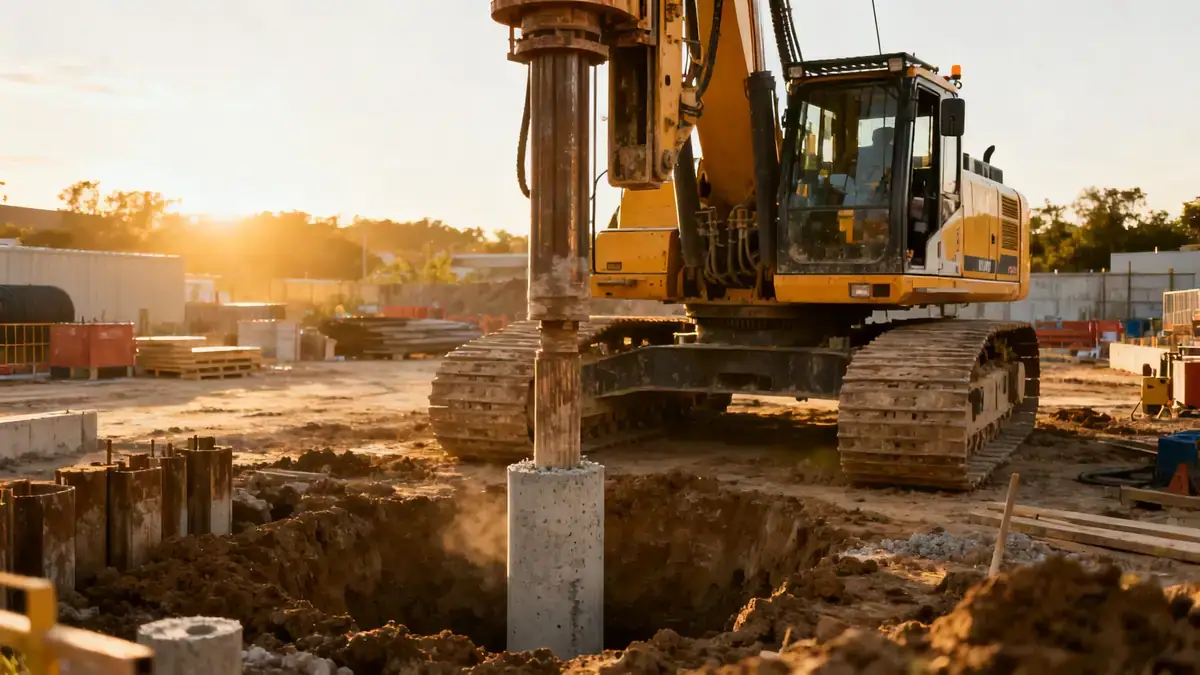
Methodology
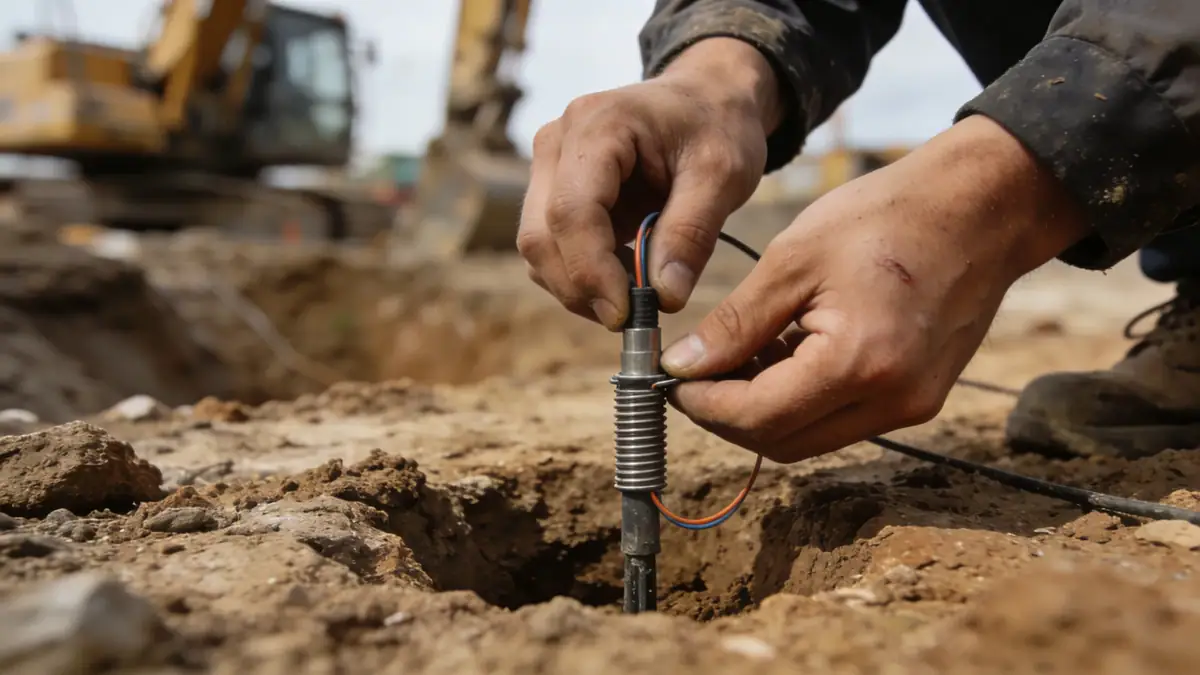
Our approach in St Catharines integrates continuous SPT borings with standard sampling intervals of 1.5 m, following ASTM D1586. We assess blow counts (N60) and recover split-spoon samples for laboratory classification. For sites requiring detailed profiling, we complement SPT with cone penetration test (cpt) to capture continuous stratigraphy. Our methodology prioritizes accurate groundwater measurement and bedrock depth estimation, critical for seismic site classification per NBCC 2020. Each program is designed to address the specific demands of the Niagara Region's geotechnical codes.
Reference Technical Parameters
| Parameter | Reference Value |
|---|---|
| Predominant soil type | Glacial till and lacustrine silty clay |
| Maximum seismic acceleration (PGA) | 0.2g to 0.3g (NBCC 2020 Site Class C) |
| Typical groundwater level | 2–5 m below grade |
| Bedrock depth | 5–30 m (Queenston Shale) |
| Typical N60 range | 10–40 blows/0.3 m in till; 4–15 in clay |
Local Considerations — St Catharines
St Catharines' geology is dominated by glacial tills and lacustrine clays, with bedrock depth varying significantly from the escarpment to the lake plain. Seismic hazard is moderate, with PGA values of 0.2–0.3g according to NBCC 2020, requiring careful site classification. Groundwater levels are shallow near waterways, necessitating dewatering considerations. Our team integrates these factors into SPT programs, referencing our work at standard penetration test en Toronto for regional consistency. Local municipal codes mandate subsurface investigations for structures over three stories, making reliable SPT data essential.
Request a Quote
Our team reviews your project and issues an initial report at no cost.
Or write us directly at [email protected]
Services in St Catharines
Applicable Standards
- ASTM D1586
- NBCC 2020 (National Building Code of Canada)
- Ontario Regulation 332/12 (Building Code)
- CSA A23.3 (Concrete Design)
Frequently Asked Questions
What soil types are typical for SPT in St Catharines?
St Catharines features glacial tills with varying densities, lacustrine silty clays, and occasional sand layers. SPT is effective in these materials, providing N60 values that help classify soil strength for foundation design.
How does seismic site classification affect SPT requirements in St Catharines?
NBCC 2020 requires site classification (A–F) based on shear wave velocity or SPT N60. St Catharines' moderate PGA (0.2–0.3g) demands accurate N60 profiles to determine seismic design parameters for buildings.
Is an SPT mandatory for all construction projects in St Catharines?
The Ontario Building Code mandates subsurface investigations for structures over three stories or with significant loads. SPT is a standard method to provide reliable soil strength and stratification data, often required by local authorities.