Methodology
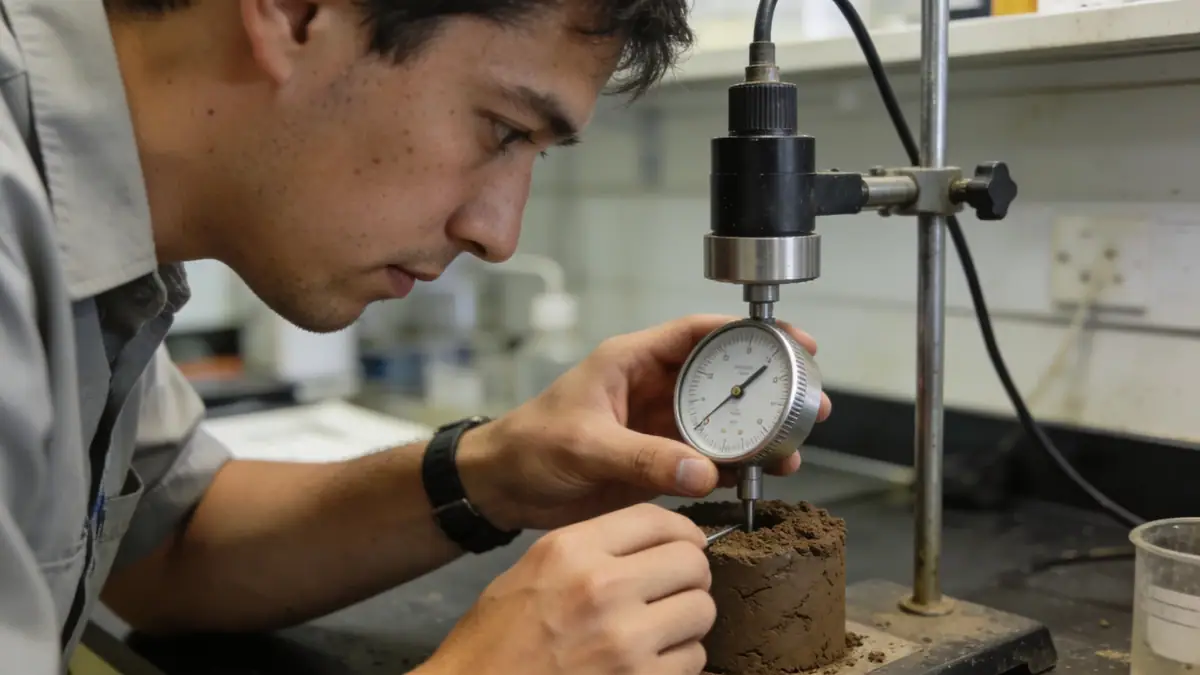
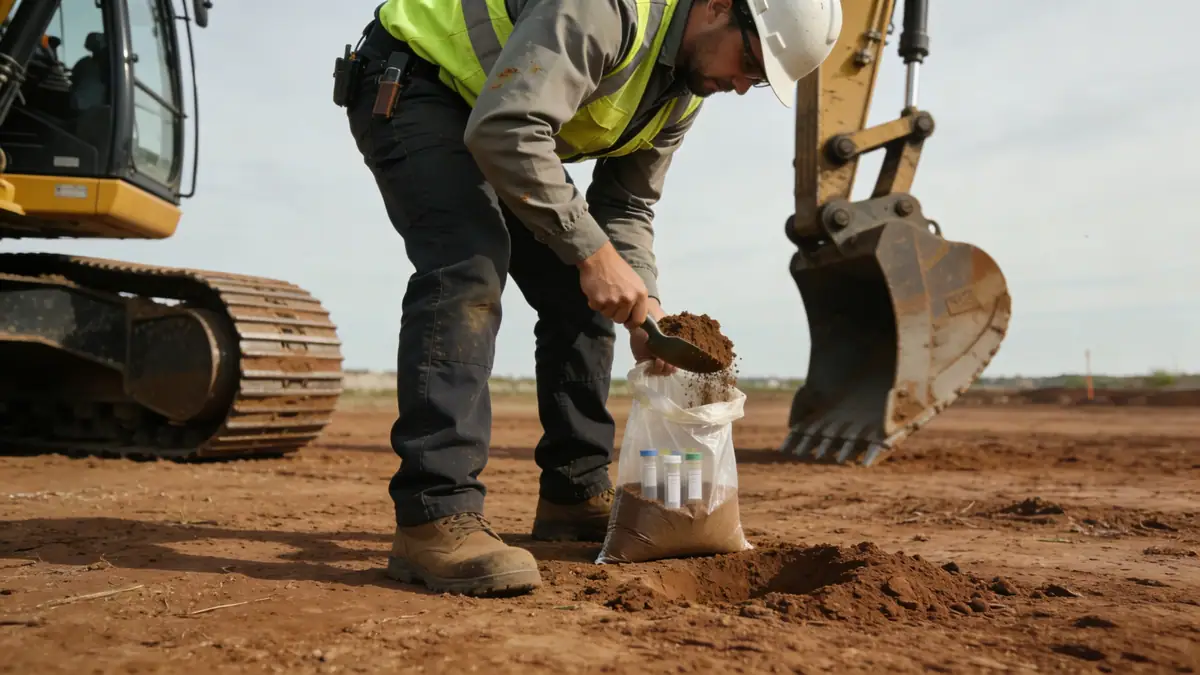
Our approach to standard penetration test (spt) in Niagara Falls Ontario follows ASTM D1586 with a safety hammer and automatic trip release. We perform borings at 1.5 m intervals in typical overburden, with continuous sampling in critical strata. Energy efficiency is measured for each rig to normalize N values to N60. For sensitive clay sites, we supplement with cone penetration test (cpt) to capture continuous strength profiles. All fieldwork is supervised by a Professional Engineer licensed in Ontario, and data reduction includes corrections for overburden pressure and rod length.
Reference Technical Parameters
| Parameter | Reference Value |
|---|---|
| Predominant soil type | Glacial till, lacustrine clay, shale bedrock |
| Maximum seismic acceleration (PGA) | 0.15g to 0.25g (NBCC 2020) |
| Typical groundwater level | 2 m to 6 m below grade |
| Bedrock depth | 5 m to 30 m (Queenston Shale) |
| Typical N60 range | 4–10 (clay), 15–35 (till) |
Local Considerations — Niagara Falls Ontario
Niagara Falls Ontario sits on the Niagara Escarpment and adjacent lakeplain, underlain by Queenston Shale and glacial deposits. Our team has encountered soft lacustrine clays near the Welland River and dense tills toward the escarpment. Site-specific SPT programs must account for shallow groundwater in low-lying areas, which can affect borehole stability and sample quality. We recommend deeper borings for high-rise projects near the tourist corridor, where fill and variable alluvium are common. For projects requiring continuous profiling, we integrate dpsh dynamic probing to supplement discrete SPT data. Our experience in Niagara Falls Ontario ensures compliance with local zoning and environmental constraints.
Request a Quote
Our team reviews your project and issues an initial report at no cost.
Or write us directly at [email protected]
Services in Niagara Falls Ontario
Applicable Standards
- ASTM D1586
- Ontario Building Code (OBC) 2012
- NBCC 2020 seismic provisions
- CSA A23.3 concrete design
Frequently Asked Questions
What soil conditions are typical for standard penetration test projects in Niagara Falls Ontario?
Niagara Falls Ontario features glacial till, lacustrine clays, and Queenston Shale bedrock. SPT N60 values range from 4–10 in soft clays to 15–35 in dense tills. Groundwater is typically encountered at 2–6 m depth, and bedrock depth varies from 5 m to over 30 m.
Is a standard penetration test required for building permits in Niagara Falls Ontario?
Yes, the Ontario Building Code requires geotechnical investigation for most structures. SPT is the standard method for determining soil bearing capacity and seismic site classification. Our reports satisfy municipal requirements in Niagara Falls Ontario.
How does seismic design affect SPT requirements in Niagara Falls Ontario?
Niagara Falls Ontario falls in NBCC 2020 seismic hazard zones with PGA up to 0.25g. SPT N60 values are used to classify site class (A–F) and assess liquefaction potential. Our team follows Eurocode 7 and NBCC procedures to provide design parameters for lateral loads.