Methodology
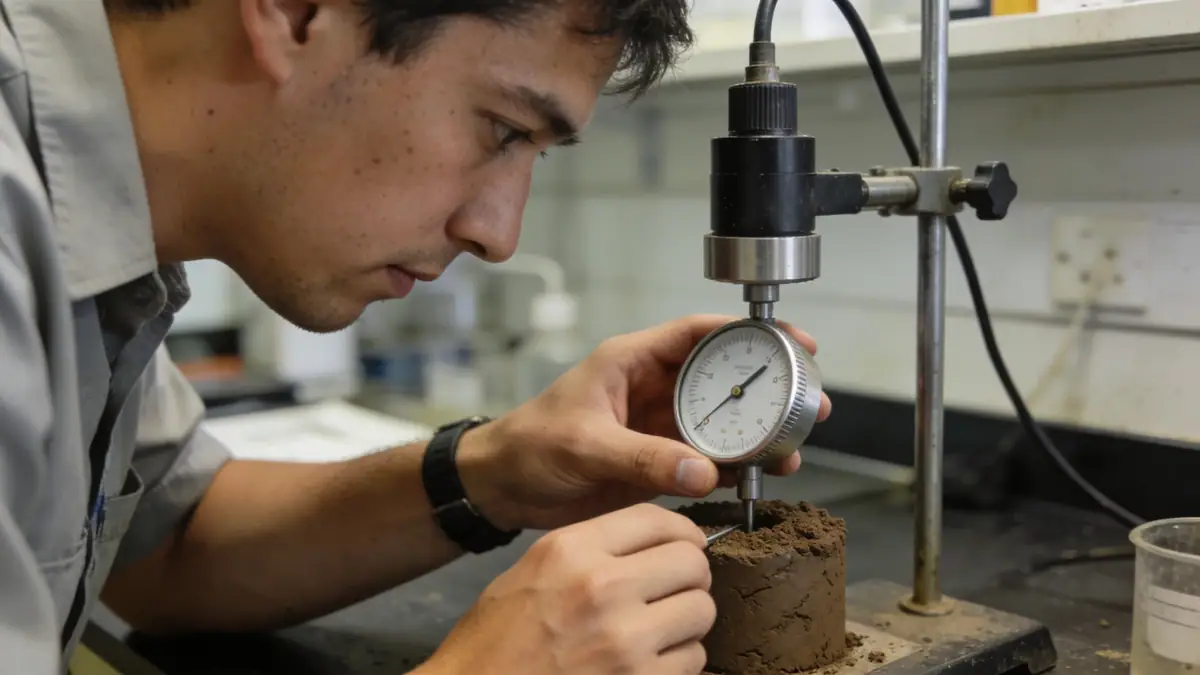
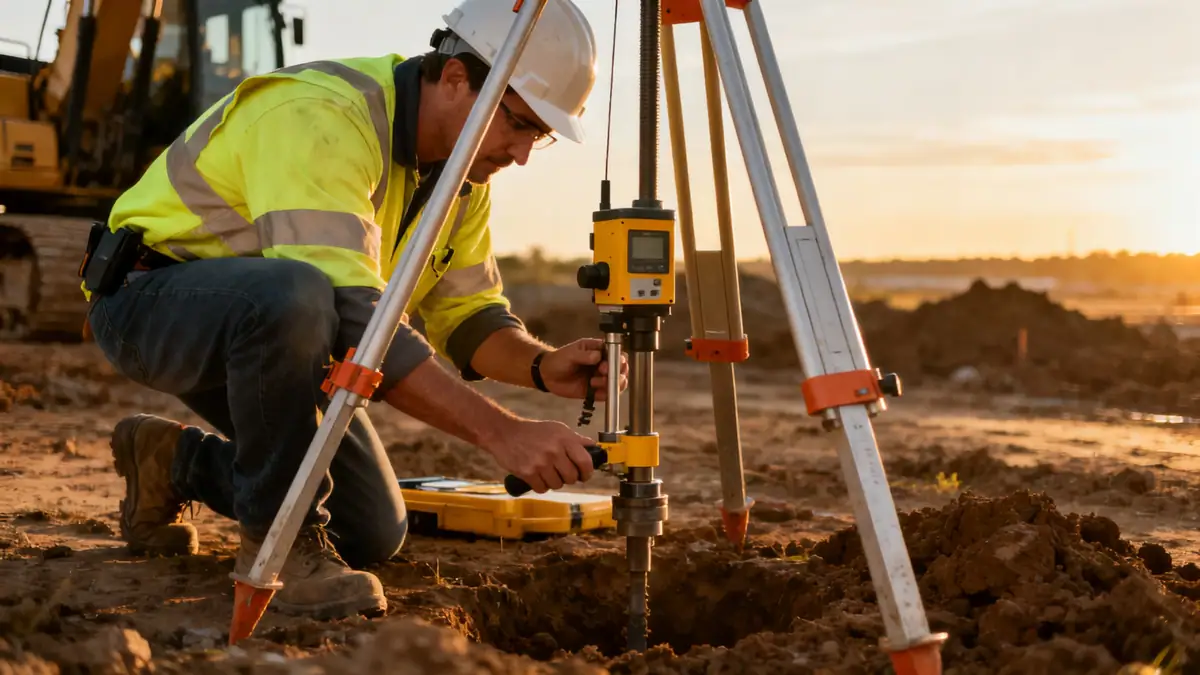
Our approach to standard penetration test in Pickering follows ASTM D1586, with continuous sampling at 1.0 to 1.5 meter intervals to capture stratigraphic variations. We employ safety hammers and automatic trip systems to ensure consistent energy delivery, with borehole depths typically ranging from 8 to 15 meters for residential projects and up to 30 meters for industrial sites. In addition to SPT, we integrate cone penetration test (cpt) for continuous profiling in soft soils. All fieldwork is supervised by experienced geotechnical engineers, and data reduction includes corrections for hammer efficiency and rod length to yield reliable N60 values. Our methodology ensures compliance with NBCC seismic provisions and local geotechnical guidelines.
Reference Technical Parameters
| Parameter | Reference Value |
|---|---|
| Predominant soil type | Glacial till, silty clay, sand and gravel |
| Maximum seismic acceleration (PGA) | 0.25 g to 0.35 g (NBCC 2020, Site Class C/D) |
| Typical groundwater level | 2.0 m to 6.0 m below ground surface |
| Bedrock depth | 5.0 m to 20.0 m (shale/limestone) |
| Typical N60 range | 10 to 40 blows/300 mm (cohesionless soils) |
Local Considerations — Pickering
Pickering's geology is dominated by Pleistocene glacial deposits, including Halton Till and lacustrine clays, underlain by Ordovician shale. The presence of high groundwater levels (2–6 m) requires careful dewatering and casing during SPT operations. Seismic hazard is moderate, with PGA values up to 0.35g for Site Class D, necessitating liquefaction assessments for granular strata. Northern areas near the Oak Ridges Moraine exhibit coarser soils, while southern lakefront zones have softer clays. Typical projects include low-rise residential and commercial developments, where SPT provides critical data for foundation design and seismic compliance. For broader regional context, see our standard penetration test en Toronto page.
Request a Quote
Our team reviews your project and issues an initial report at no cost.
Or write us directly at [email protected]
Services in Pickering
Applicable Standards
- ASTM D1586
- NBCC 2020
- CSA A23.3
- Ontario Building Code (OBC)
Frequently Asked Questions
What soil types are commonly encountered during SPT in Pickering?
Pickering soils are predominantly glacial tills, silty clays, and sand/gravel deposits. The Halton Till is a stiff, dense material with N60 values typically ranging from 10 to 40, while lacustrine clays may exhibit lower strengths. Groundwater is often encountered at depths of 2–6 m.
How does seismic hazard affect SPT requirements in Pickering?
Pickering is in a moderate seismic zone per NBCC 2020, with PGA values up to 0.35g. SPT data is essential for site classification (Site Class C or D) and liquefaction assessment. The N60 values are used in empirical correlations to estimate cyclic resistance ratios for earthquake engineering.
Is a standard penetration test mandatory for building permits in Pickering?
Yes, for most structures exceeding two stories or with significant loads, the Ontario Building Code requires a geotechnical investigation. SPT is the preferred method for determining soil strength and liquefaction potential. Our firm provides compliant SPT programs to support permit applications.