Methodology
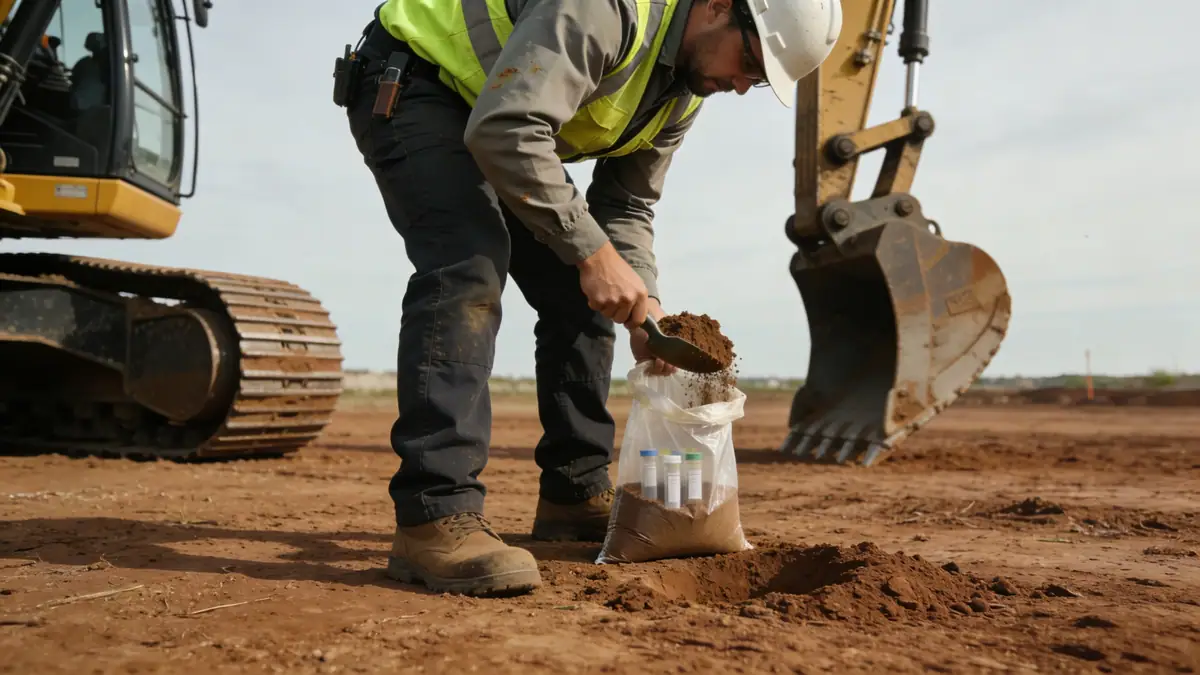
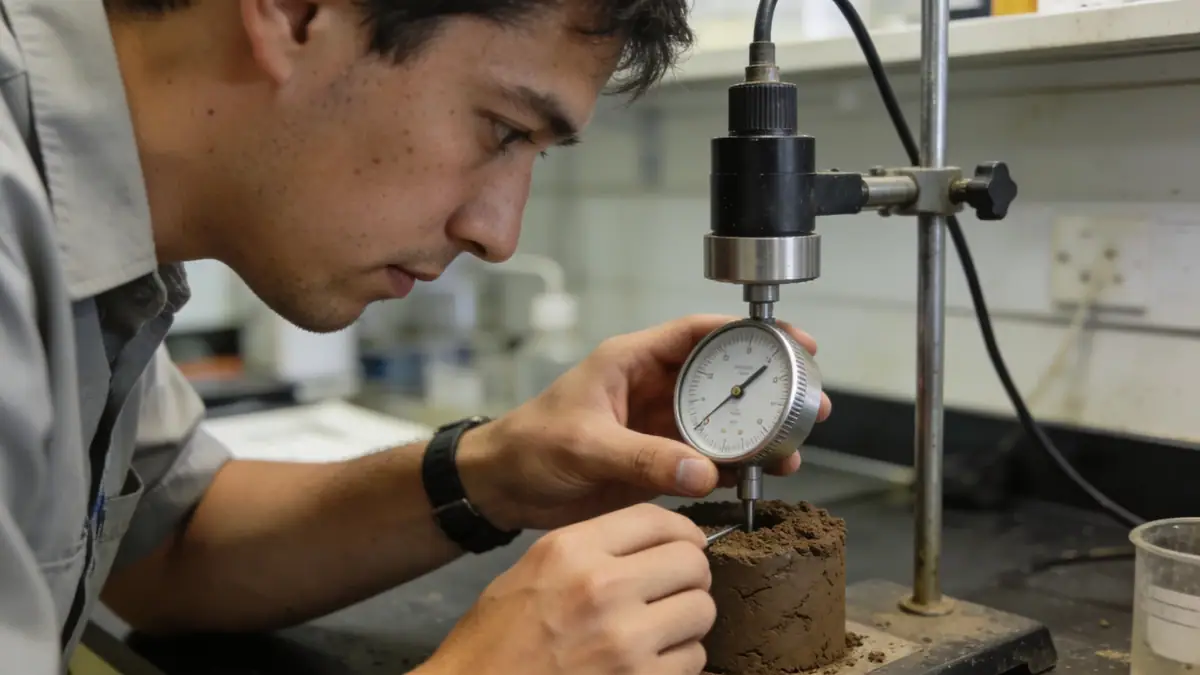
Our methodology for standard penetration test (SPT) in Sudbury follows ASTM D1586, with a hammer energy efficiency calibrated to 60% (N60). We perform borings using truck- or track-mounted rigs to access remote sites. Sampling intervals are typically every 1.5 m, with continuous sampling in critical zones. Blow counts are recorded per 300 mm penetration, and soil samples are retrieved for classification. Our team also integrates standard penetration test (spt) data with geophysical surveys to map bedrock depth and assess seismic site class per NBCC 2020.
Reference Technical Parameters
| Parameter | Reference Value |
|---|---|
| Predominant soil type | Glacial till, sand and gravel, silty clay with boulders |
| Maximum seismic acceleration (PGA) | 0.2–0.3 g (NBCC 2020, Sudbury seismic zone) |
| Typical groundwater level | 2–6 m below surface, variable seasonally |
| Bedrock depth | 1–15 m, often shallow in the Sudbury Basin |
| Typical N60 range | 10–50 blows/300 mm (glacial till: 20–50; sand: 10–30) |
Local Considerations — Sudbury
Sudbury's geology is dominated by the Sudbury Basin, with shallow bedrock (often <5 m) and glacial till containing boulders. The city's seismic hazard is moderate, with PGA up to 0.3 g per NBCC 2020, requiring site-specific response analysis for critical structures. Groundwater levels fluctuate with snowmelt and rainfall, affecting excavation stability. Our team recommends dpsh dynamic probing in bouldery till to complement SPT data. For projects near mine tailings or fill areas, careful assessment of liquefaction potential is essential. Our experience spans Sudbury's urban core and outlying developments, ensuring robust geotechnical solutions.
Request a Quote
Our team reviews your project and issues an initial report at no cost.
Or write us directly at [email protected]
Services in Sudbury
Applicable Standards
- ASTM D1586
- NBCC 2020 (Seismic Provisions)
- Ontario Regulation 332/12 (Building Code)
- CSA A23.3 (Concrete Design)
Frequently Asked Questions
What soil conditions are typical for standard penetration tests in Sudbury?
Sudbury's subsurface typically consists of glacial till, sand, and silty clay overlying bedrock at shallow depths. The till often contains cobbles and boulders, which can affect drilling and sampling. N60 values range from 10 to 50, with higher values in dense till.
Does Sudbury have specific seismic requirements for geotechnical investigations?
Yes, Sudbury falls under NBCC 2020 seismic hazard zone with PGA of 0.2–0.3 g. For structures in Site Class D or E, a site-specific response analysis may be required. SPT data is essential for determining shear wave velocity correlations and liquefaction potential.
Are geotechnical studies mandatory for construction in Sudbury?
The Ontario Building Code mandates geotechnical investigations for most structures, especially those with shallow foundations or in areas with variable soil conditions. Sudbury's shallow bedrock and mining legacy often require detailed SPT assessments to ensure safe design.