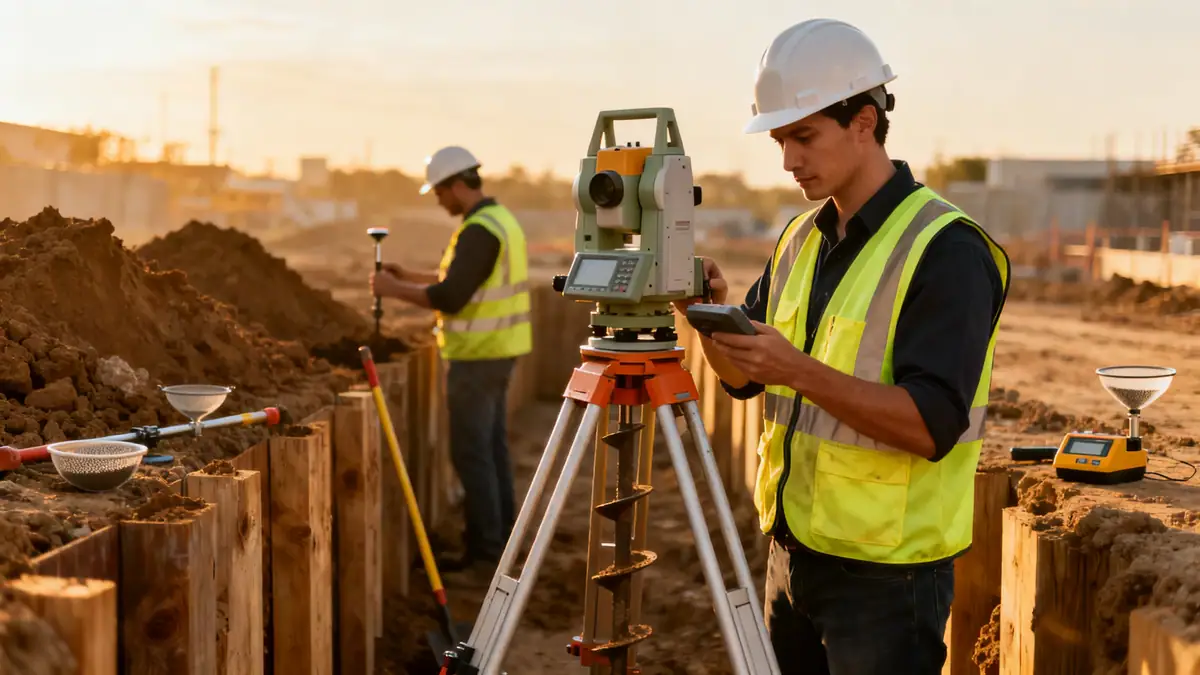
Methodology
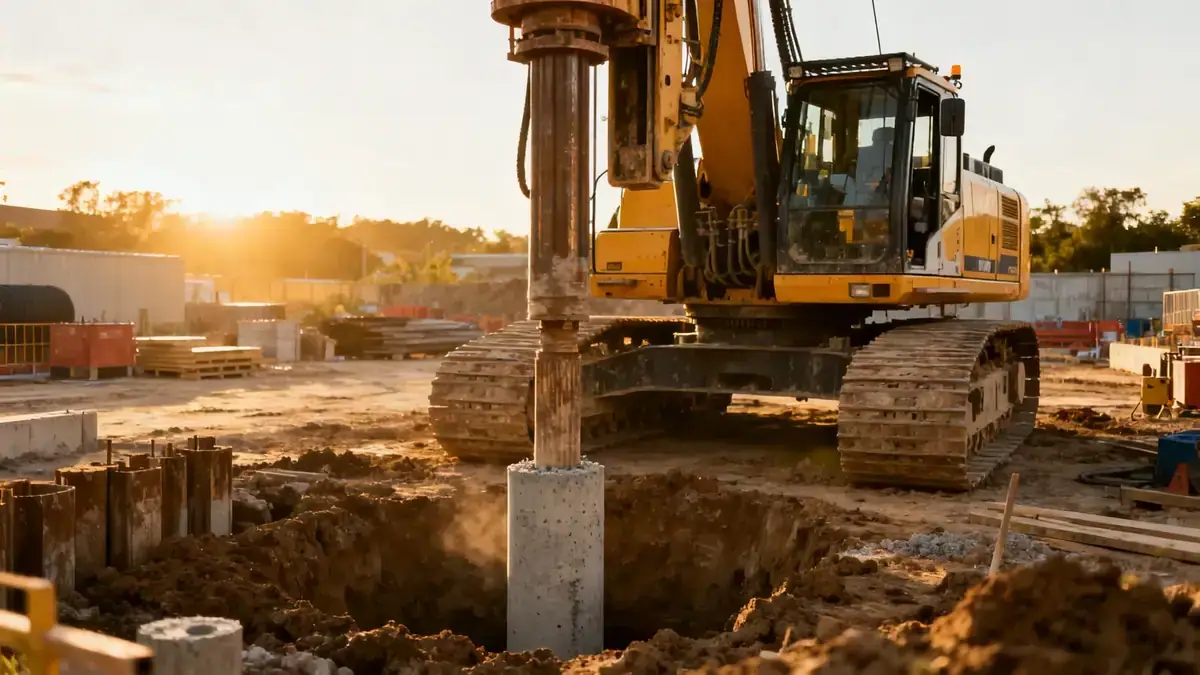
Our methodology for standard penetration testing in Oakville follows ASTM D1586, with a hammer energy efficiency calibrated to 60% for consistent N60 values. Boring depths typically range from 8 to 15 meters for residential projects and up to 30 meters for industrial structures, depending on bedrock depth and overburden thickness. Sampling intervals are maintained at 1.0 to 1.5 meters, with continuous sampling in critical zones. Our team deploys truck-mounted drill rigs equipped with automatic hammers to minimize operator variability. Data is recorded in real-time and integrated with our digital reporting system. For complementary stratigraphic profiling, we also offer cone penetration test (cpt) services.
Reference Technical Parameters
| Parameter | Reference Value |
|---|---|
| Predominant soil type | Glacial till, silty clay, and sand |
| Maximum seismic acceleration (PGA) | 0.2g (NBCC 2020, Site Class C) |
| Typical groundwater level | 2–5 m below ground surface |
| Bedrock depth | 10–30 m (Ordovician shale/limestone) |
| Typical N60 range | 8–35 blows/ft (variable with depth) |
Local Considerations — Oakville
Oakville's subsurface is shaped by glacial history, with till overlying shale bedrock at depths of 10–30 m. The water table is shallow in low-lying areas, requiring dewatering considerations. Seismic design follows NBCC 2020 with a PGA of 0.2g for Site Class C. Our firm coordinates with municipal authorities for utility clearance and traffic management. For dynamic soil characterization, we also provide dpsh dynamic probing services to complement SPT data in heterogeneous till deposits. Our team maintains a strong presence in the region, with seamless support from our standard penetration test en Toronto hub.
Request a Quote
Our team reviews your project and issues an initial report at no cost.
Or write us directly at [email protected]
Services in Oakville
Applicable Standards
- ASTM D1586
- NBCC 2020
- Ontario Regulation 406/19 (Building Code)
- CSA A23.3 (Concrete Design)
Frequently Asked Questions
What types of soil are commonly encountered in Oakville?
Oakville's soils are predominantly glacial till, silty clay, and sand, with occasional lacustrine deposits. Bedrock consists of Ordovician shale and limestone at depths of 10 to 30 meters, influencing foundation design.
Is standard penetration testing mandatory for construction in Oakville?
While not mandatory for all projects, SPT is recommended by the Ontario Building Code for structures on unknown soils or in seismic zones. It is often required for commercial buildings and multi-story residences to determine bearing capacity and liquefaction potential.
How does seismic risk affect standard penetration testing in Oakville?
Oakville is in a moderate seismic zone (PGA 0.2g). SPT data is used to evaluate soil liquefaction potential and site classification per NBCC 2020. Our testing follows ASTM D1586 to provide reliable N-values for seismic design.