Methodology
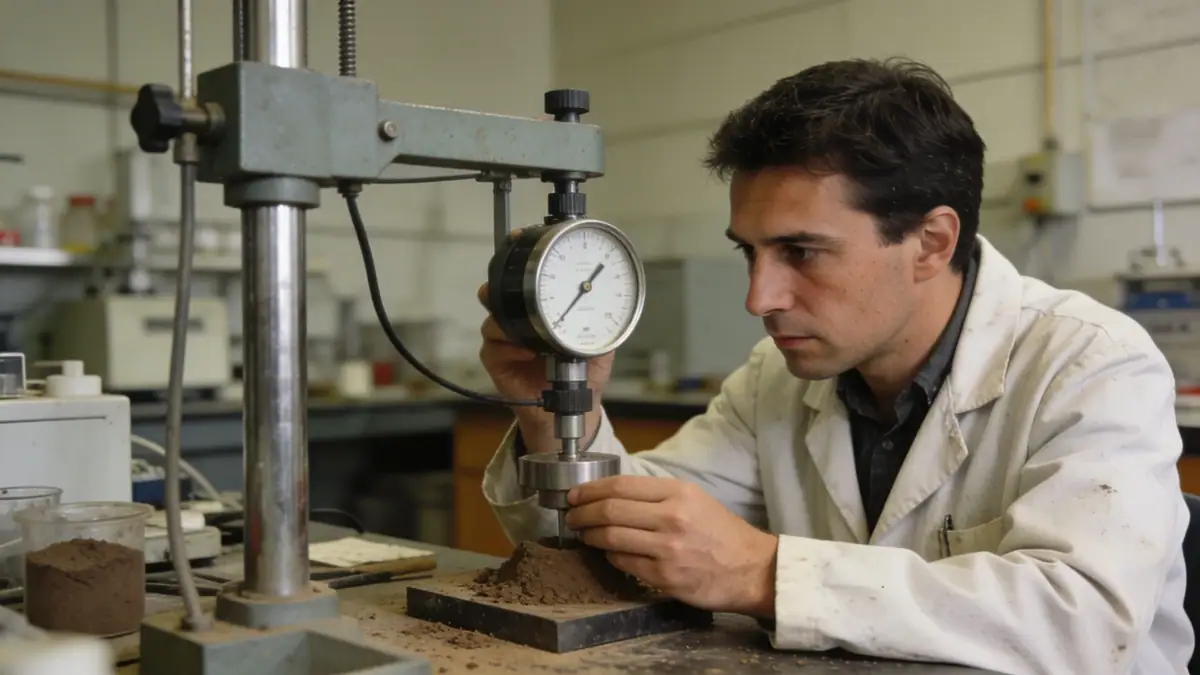
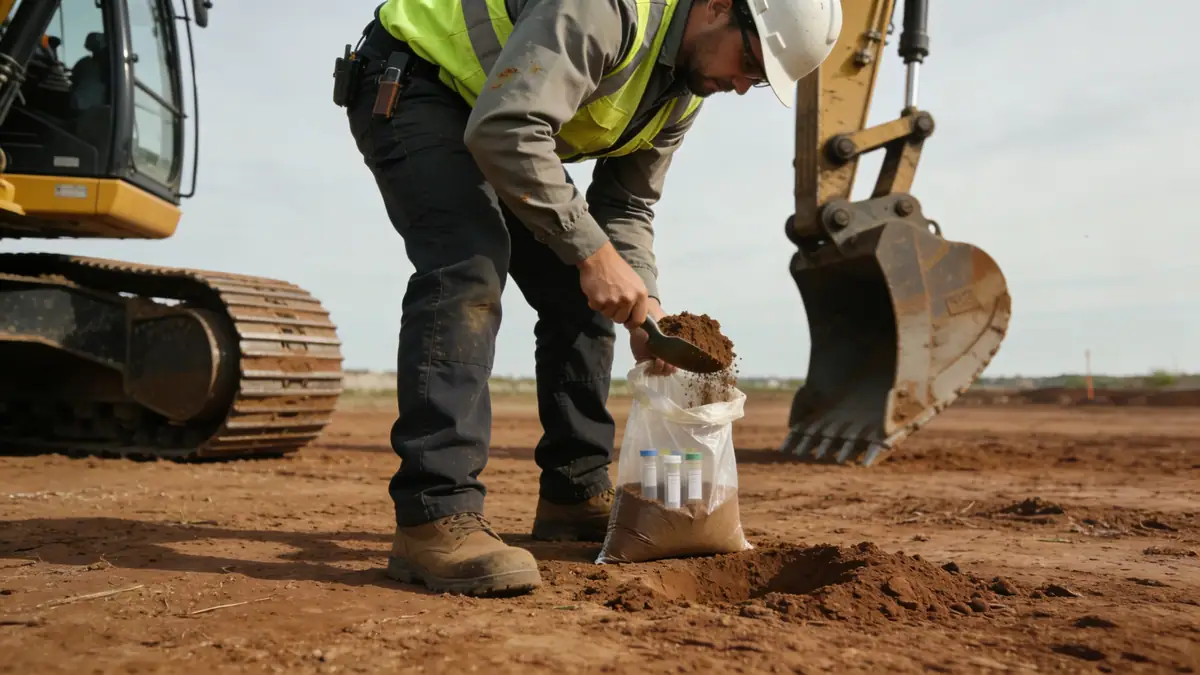
Our methodology for standard penetration test in Peterborough Ontario follows ASTM D1586, ensuring consistent and repeatable results. We use a 63.5 kg hammer dropped 760 mm to drive a split-spoon sampler, recording blow counts (N-value) at 1.5 m intervals or changes in strata. Sampling continues to refusal or target depth, typically 15-30 m depending on project requirements. For detailed profiling, we often complement SPT with cone penetration test (cpt) to obtain continuous soil behavior data. All fieldwork is supervised by experienced geotechnical engineers, and samples are logged on-site for classification. Our approach integrates local geological knowledge with rigorous quality control, providing clients with dependable subsurface information.
Reference Technical Parameters
| Parameter | Reference Value |
|---|---|
| Predominant soil type | Glacial till, silty sand, clay, with limestone bedrock |
| Maximum seismic acceleration (PGA) | 0.15g to 0.20g (per NBCC 2020) |
| Typical groundwater level | 2-5 m below ground surface |
| Bedrock depth | 5-30 m (limestone, variable) |
| Typical N60 range | 10-50 blows/300 mm in till; 4-15 in clay |
Local Considerations — Peterborough Ontario
Peterborough's geology is dominated by glacial till and lacustrine deposits overlying Paleozoic limestone. Groundwater levels are generally shallow (2-5 m) in low-lying areas, requiring dewatering considerations for excavations. Seismic hazard is moderate, with peak ground accelerations of 0.15-0.20g per NBCC 2020. Contrasting soil conditions exist between downtown (thicker clay) and suburban areas (shallow till/bedrock). Typical projects include residential subdivisions and commercial buildings. For regional context, our standard penetration test en Toronto operations provide additional insights into similar glacial environments.
Request a Quote
Our team reviews your project and issues an initial report at no cost.
Or write us directly at [email protected]
Services in Peterborough Ontario
Applicable Standards
- ASTM D1586
- NBCC 2020 (National Building Code of Canada)
- Ontario Building Code (OBC)
- CSA A23.3 (Concrete structures)
Frequently Asked Questions
What soil types are commonly encountered in Peterborough Ontario?
Peterborough typically features glacial till (silty sand with gravel), lacustrine clay, and silt deposits. Limestone bedrock is present at variable depths. These conditions influence foundation design and require careful standard penetration test evaluation.
What seismic design values apply in Peterborough Ontario?
Per the NBCC 2020, Peterborough has a peak ground acceleration (PGA) of 0.15-0.20g, corresponding to seismic hazard category moderate. Site-specific SPT data are essential to determine soil amplification factors for structural design.
Are geotechnical investigations mandatory for construction in Peterborough?
Yes, the Ontario Building Code requires geotechnical reports for most buildings. Standard penetration test data are often needed to assess bearing capacity, settlement, and seismic site class, particularly for larger or sensitive structures.