Methodology
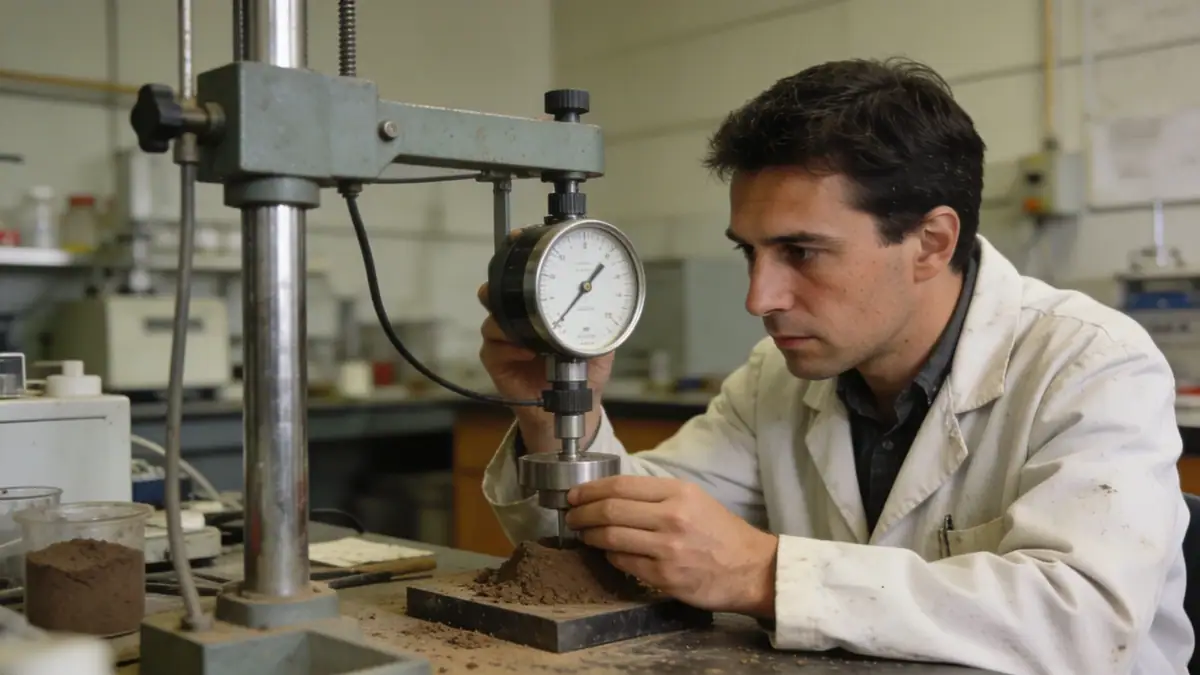
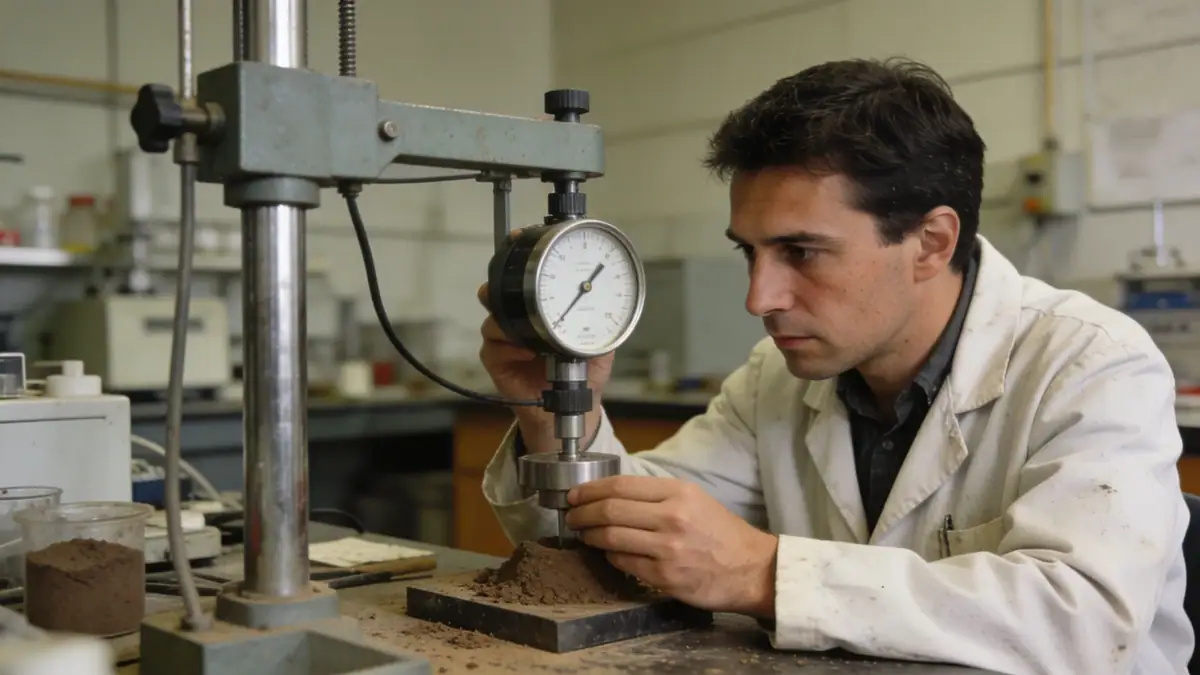
Our standard penetration testing (SPT) methodology in Kitchener follows ASTM D1586, using a 63.5 kg hammer dropped 760 mm to drive a split-spoon sampler. We record blow counts (N-value) at 1.5 m intervals to characterize soil density and stratigraphy. Data interpretation incorporates corrections for overburden pressure and energy efficiency. For continuous profiling, we also recommend cone penetration test (cpt) as a complementary method. Our approach ensures reliable geotechnical parameters for foundation design.
Reference Technical Parameters
| Parameter | Reference Value |
|---|---|
| Predominant Soil Type | Glacial till (silty sand with gravel) |
| Maximum Seismic Acceleration (PGA) | 0.15–0.20 g (NBCC 2020) |
| Typical Groundwater Level | 3–6 m below surface |
| Bedrock Depth | 10–30 m (shallow in northwest) |
| Typical N60 Range | 15–40 blows/300 mm |
Local Considerations — Kitchener
Kitchener's subsurface is dominated by glacial tills with variable gravel content and occasional sand lenses. Groundwater levels fluctuate seasonally, requiring dewatering considerations for deep excavations. The city falls under NBCC seismic hazard category with PGA up to 0.20 g, demanding site-specific response analysis for critical structures. Older neighborhoods near downtown may have undocumented fill, while new developments in the south and west encounter deeper till sequences. Typical projects include residential subdivisions and light industrial facilities. Our team also serves the broader region from our standard penetration test in Toronto base, providing consistent service across Southern Ontario.
Request a Quote
Our team reviews your project and issues an initial report at no cost.
Or write us directly at [email protected]
Services in Kitchener
Applicable Standards
- ASTM D1586 (Standard Penetration Test)
- NBCC 2020 (National Building Code of Canada)
- Ontario Building Code (OBC) Part 4
- CSA A23.3 (Concrete Design)
Frequently Asked Questions
What soil conditions are typical in Kitchener for SPT?
Kitchener's soils are predominantly glacial tills—dense silty sands with gravel and occasional cobbles. SPT N-values typically range from 15 to 40 blows/300 mm in undisturbed till, but loose pockets or soft clay layers may occur near former drainage channels.
Is seismic design required for structures in Kitchener?
Yes, the NBCC 2020 classifies Kitchener with a seismic hazard requiring site-specific analysis for buildings of importance category III or higher. Peak ground acceleration (PGA) ranges from 0.15 to 0.20 g, and soil classification via SPT is essential for determining site coefficients.
Are geotechnical studies mandatory for new construction in Kitchener?
The Ontario Building Code mandates a geotechnical investigation for most buildings, particularly those with shallow foundations or deep excavations. Standard penetration testing is a primary method to verify bearing capacity and settlement parameters, ensuring compliance with OBC Part 4.