Methodology
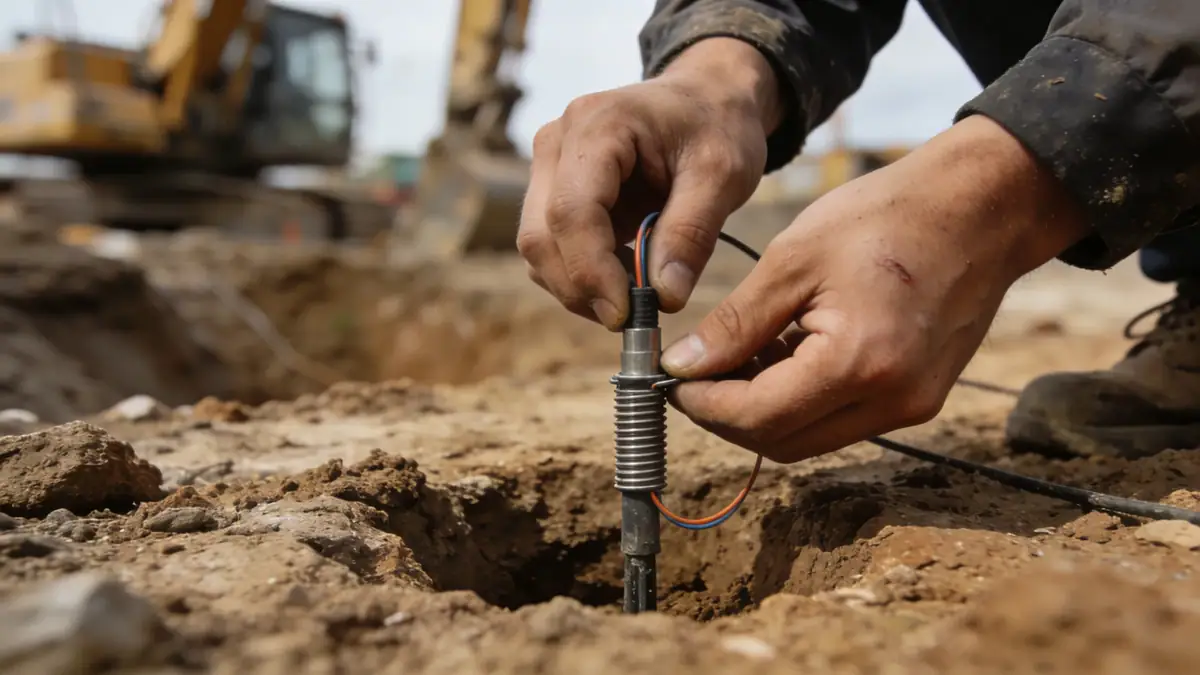
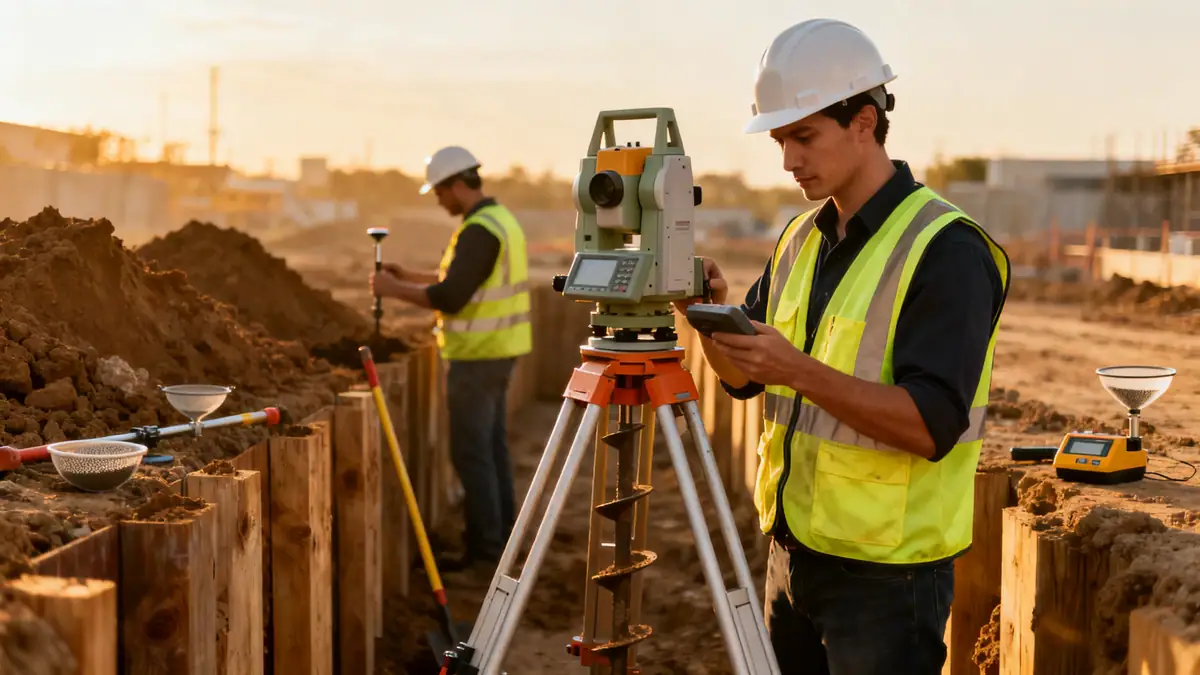
Our approach to the standard penetration test in Trois-Rivières follows ASTM D1586 with rigorous field procedures. We perform SPT at 1.5 m intervals to capture stratigraphic changes, using safety hammers and calibrated automatic trip systems for consistent energy. Our team logs blow counts, soil recovery, and groundwater observations in real time. For deeper investigations, we integrate standard penetration test (spt) with continuous sampling to characterize dense tills and sensitive clays. All data is analyzed to derive N60 values and shear strength parameters, supporting foundation design for residential to industrial projects.
Reference Technical Parameters
| Parameter | Reference Value |
|---|---|
| Predominant soil type | Glacial till, silty clay, sand and gravel |
| Maximum seismic acceleration (PGA) | 0.20–0.30 g (NBCC 2020) |
| Typical groundwater level | 2–5 m below surface (variable) |
| Bedrock depth | 5–40 m (shallow in north, deep near river) |
| Typical N60 range | 4–30 (soft clay to dense till) |
Local Considerations — Trois Rivieres
Trois-Rivières lies on the St. Lawrence Lowlands, underlain by Champlain Sea clay and glacial tills. The city is in NBCC seismic zone with PGA up to 0.30 g, requiring site-specific SPT for liquefaction assessment. Groundwater is shallow near the river, complicating excavations. Northern areas have bedrock at 5–10 m, while southern sectors exceed 30 m. Our team has addressed variable conditions across the city, from downtown high-rises to industrial parks. For broader regional context, see our standard penetration test services in Montreal. We also apply cone penetration test (cpt) for continuous profiling in soft clays.
Request a Quote
Our team reviews your project and issues an initial report at no cost.
Or write us directly at [email protected]
Services in Trois Rivieres
Applicable Standards
- ASTM D1586
- NBCC 2020 Seismic Provisions
- CSA A23.3
- Quebec Construction Code (Chapter I-1, r. 5)
Frequently Asked Questions
What soil types are most common in Trois-Rivières?
Trois-Rivières features glacial tills, marine clay (Champlain Sea), and fluvial sands/gravels. The clay is often sensitive and compressible, requiring careful SPT and undisturbed sampling for settlement analysis.
Is seismic site classification required for buildings in Trois-Rivières?
Yes, NBCC 2020 mandates seismic site classification based on SPT N60, shear wave velocity, or undrained shear strength. Our SPT program provides N60 data for site class determination (A to F).
How deep should SPT borings be for a typical residential project?
For low-rise buildings, borings to 8–15 m are typical to reach competent bearing strata or bedrock. Deeper borings (20–30 m) are needed for heavier structures or where soft clay layers extend.