Methodology
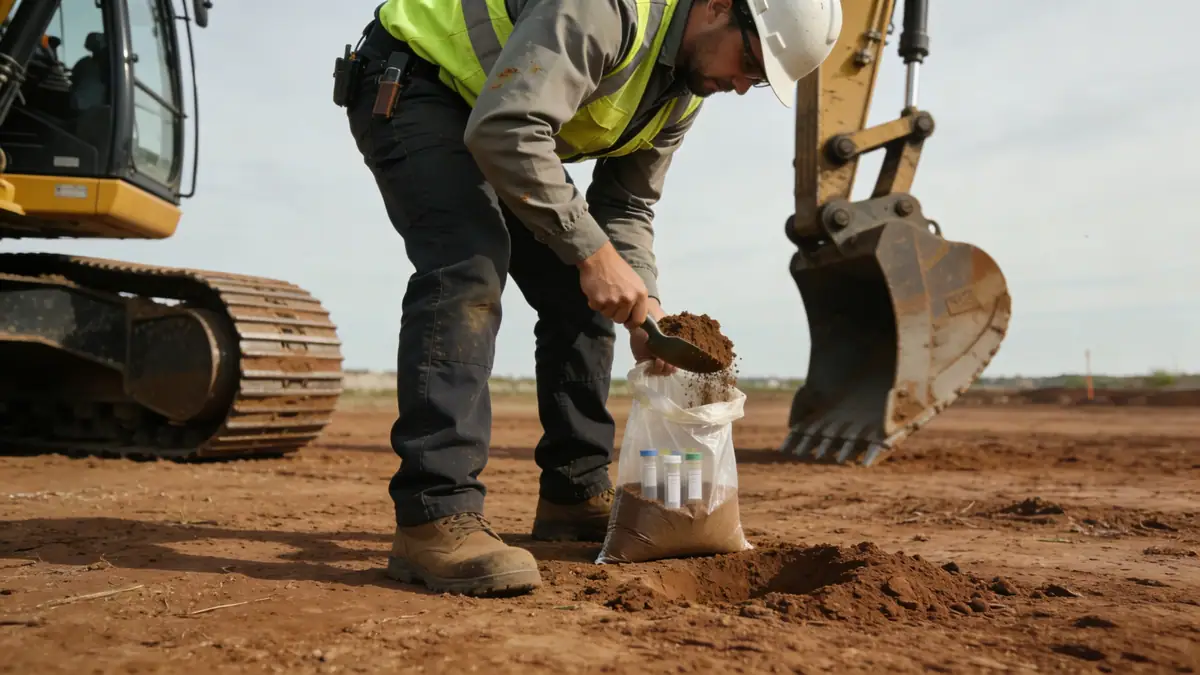
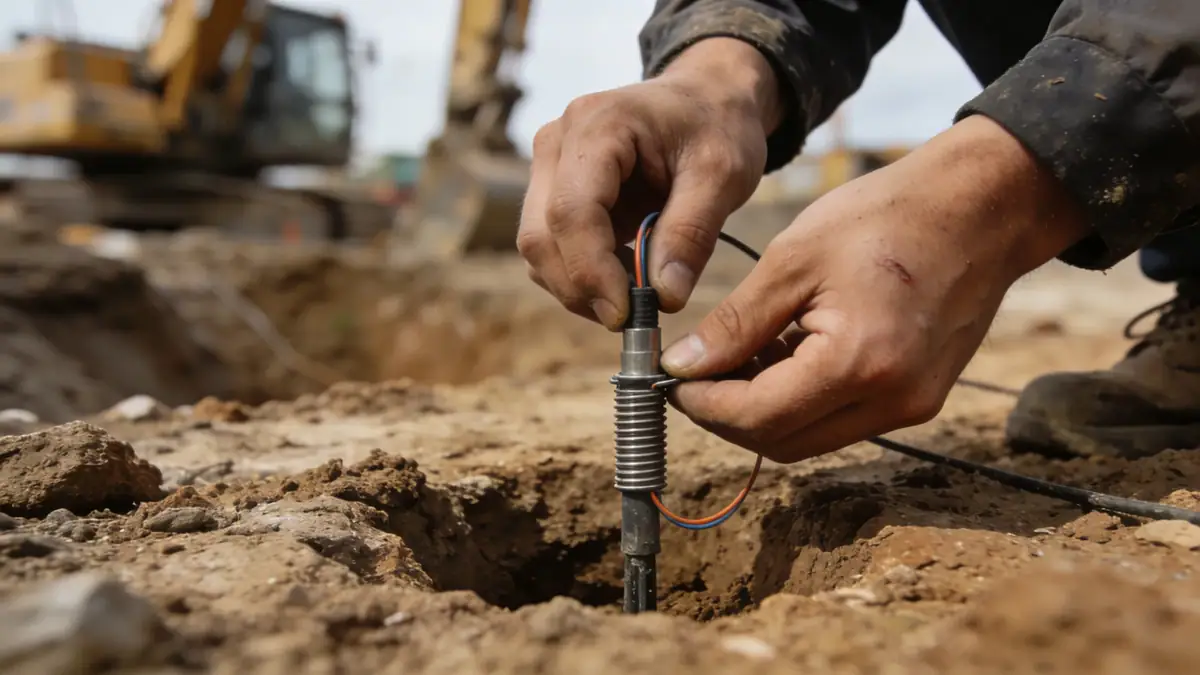
Our methodology for standard penetration tests in Saint Jerome adheres strictly to ASTM D1586, ensuring consistent and comparable results across all project sites. We employ automatic trip hammers and calibrated split-spoon samplers, recording blow counts at 0.3-meter intervals to a typical depth of 15 meters or refusal. Energy measurements are corrected to 60% efficiency (N60) for reliable correlation with soil strength parameters. For detailed stratigraphic profiling, we integrate our standard penetration test (spt) with continuous sampling and geophysical logging, providing a comprehensive subsurface model. All equipment is maintained per manufacturer specifications, and field procedures follow our internal quality assurance protocols, which exceed minimum requirements.
Reference Technical Parameters
| Parameter | Reference Value |
|---|---|
| Predominant soil type | Glacial till, sand, gravel, and clay |
| Maximum seismic acceleration (PGA) | 0.24g (NBCC 2020, site class C) |
| Typical groundwater level | 2–5 m below surface |
| Bedrock depth | 5–20 m (variable, shallow in north) |
| Typical N60 range | 10–50 blows/0.3 m |
Local Considerations — Saint Jerome
Saint Jerome's geology is dominated by glacial till and fluvioglacial deposits overlying Precambrian bedrock of the Canadian Shield. Soils are often dense to very dense, with cobbles and boulders common, requiring robust SPT equipment. Groundwater levels fluctuate seasonally, typically encountered at depths of 2 to 5 meters. Seismic hazard is moderate, with a peak ground acceleration of 0.24g for site class C per NBCC 2020. Northern sectors (e.g., Lafontaine) feature shallow bedrock, while southern areas (e.g., Bellefeuille) have thicker soil sequences. Our experience includes numerous projects where SPT results directly informed foundation solutions for residential subdivisions and commercial developments. For deeper investigations, we recommend our cone penetration test (cpt).
Request a Quote
Our team reviews your project and issues an initial report at no cost.
Or write us directly at [email protected]
Services in Saint Jerome
Applicable Standards
- ASTM D1586 (Standard Test Method for Standard Penetration Test)
- National Building Code of Canada (NBCC) 2020 – Seismic provisions
- Quebec Construction Code (Chapter B-1.1, r. 2)
- CSA A23.1 (Concrete materials and methods of concrete construction)
Frequently Asked Questions
What are the typical soil conditions encountered during standard penetration tests in Saint Jerome?
Saint Jerome soils consist mainly of glacial till, sand, gravel, and occasional clay layers. Dense to very dense conditions are common, with cobbles and boulders that can impede penetration. SPT N60 values typically range from 10 to 50 blows per 0.3 m, reflecting the high density of these deposits.
How does seismic hazard in Saint Jerome affect standard penetration test requirements?
Saint Jerome is in a moderate seismic zone with a PGA of 0.24g. Under NBCC 2020, site-specific SPT data is essential for determining site class and liquefaction potential. Our tests provide the blow counts needed for seismic design parameters, ensuring compliance with local codes.
Are standard penetration tests mandatory for construction projects in Saint Jerome?
While not universally mandatory, most municipalities in the Laurentians require geotechnical investigations for new buildings, especially those with deep foundations or seismic design. SPT is the preferred method for characterizing soil strength and stratigraphy, and our reports are widely accepted by local authorities.