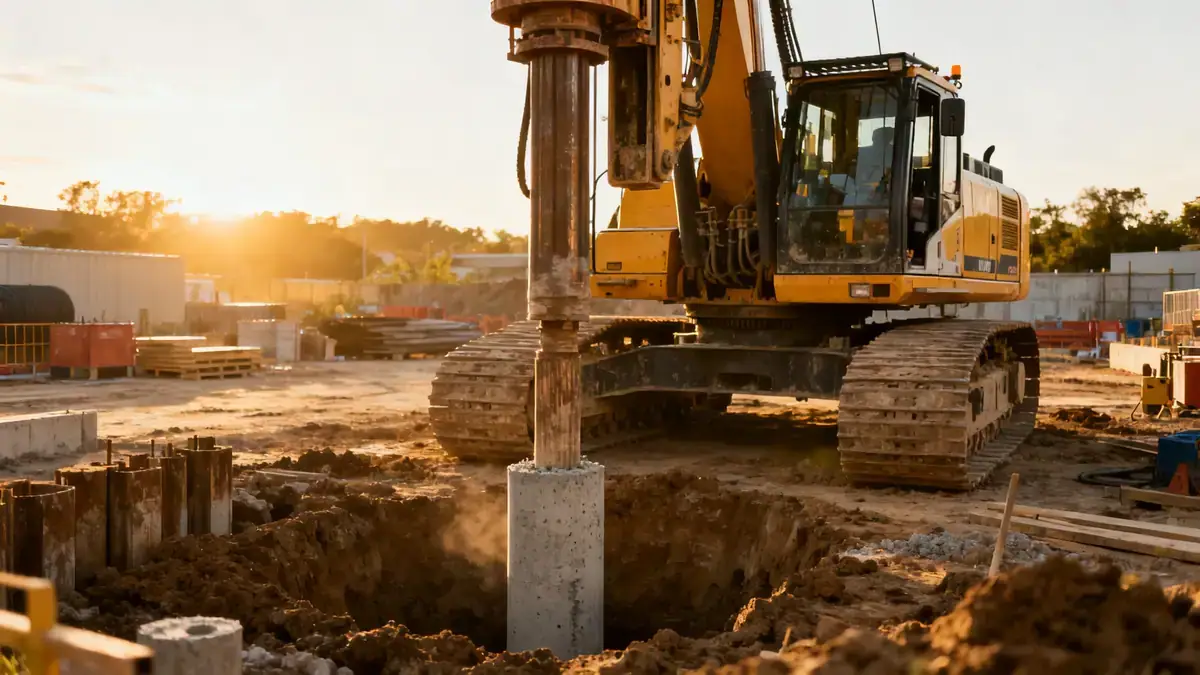
Methodology
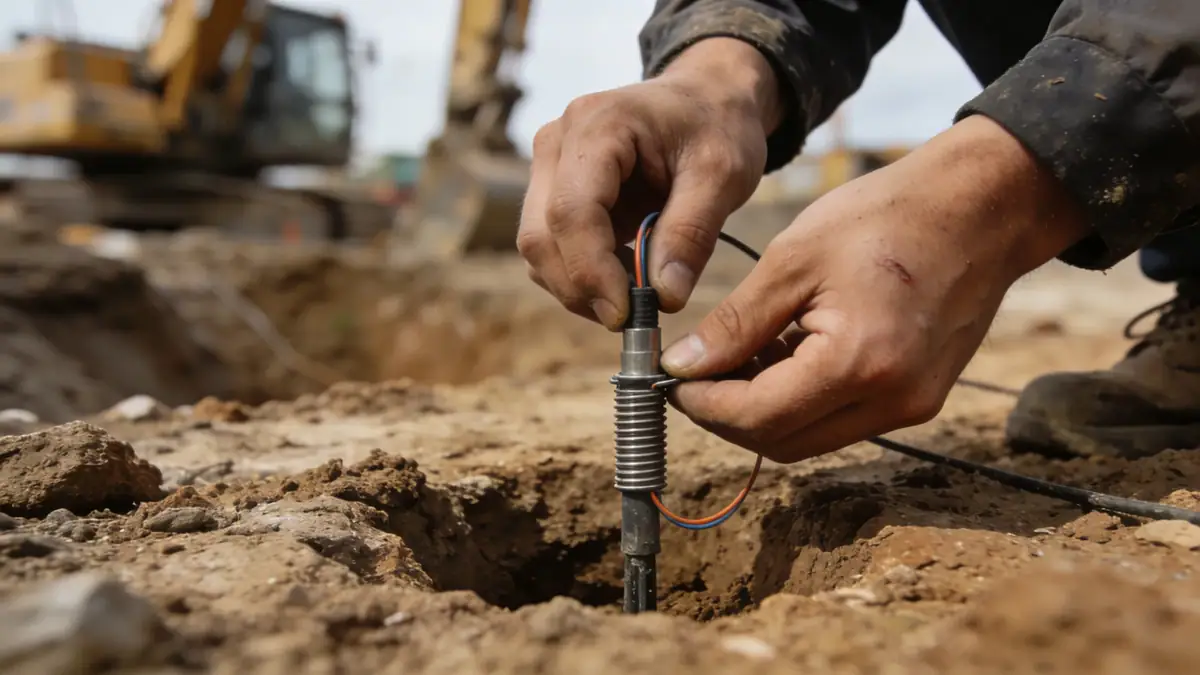
Our methodology for standard penetration test in Repentigny follows ASTM D1586, with boreholes advanced using hollow-stem augers to maintain borehole stability in cohesive soils. The SPT hammer energy is monitored to ensure N60 corrections are applied accurately. Sampling intervals are typically 1.0 to 1.5 m, with continuous sampling in critical zones. For deeper investigations, we integrate cone penetration test (cpt) soundings to obtain continuous stratigraphic profiles. All data is analyzed against local geological models and seismic design parameters per the National Building Code of Canada.
Reference Technical Parameters
| Parameter | Reference Value |
|---|---|
| Predominant soil type | Marine clay (Champlain Sea) with sand/silt lenses |
| Maximum seismic acceleration (PGA) | 0.15–0.20 g (NBCC 2020, Site Class D) |
| Typical groundwater level | 1.5–3.0 m below ground surface |
| Bedrock depth | 10–30 m (Utica Shale) |
| Typical N60 range | 2–15 (clay), 15–40 (sand/till) |
Local Considerations — Repentigny
Repentigny's subsurface is dominated by Champlain Sea clay, a soft to firm marine deposit with high plasticity and sensitivity. Groundwater is shallow, often within 2 m of the surface, requiring careful dewatering and casing during SPT operations. Seismic hazard is moderate, with PGA values around 0.15–0.20 g for Site Class D per NBCC 2020. Northern sectors near the Mascouche River may encounter thicker clay sequences, while southern areas show bedrock closer to surface. Typical projects include residential towers and institutional buildings, where our standard penetration test (spt) data supports pile foundation design. For regional coordination, our standard penetration test en Montreal hub oversees operations across the metropolitan area.
Request a Quote
Our team reviews your project and issues an initial report at no cost.
Or write us directly at [email protected]
Services in Repentigny
Applicable Standards
- ASTM D1586
- National Building Code of Canada (NBCC) 2020
- CSA A23.1
- Quebec Construction Code (Chapter I, Building)
Frequently Asked Questions
What soil conditions are typical for SPT in Repentigny?
Repentigny is underlain by Champlain Sea clay, a sensitive marine clay often interbedded with sand and silt. Glacial till and shale bedrock are encountered at depth. SPT N60 values in clay range from 2 to 15, while sand lenses may show 15 to 40.
How does seismic design affect SPT requirements in Repentigny?
Per NBCC 2020, Repentigny falls in a moderate seismic zone with PGA up to 0.20 g. Site classification (A–F) requires SPT-based shear wave velocity correlations. Our SPT data helps determine site class and liquefaction potential for foundation design.
Is geotechnical investigation mandatory for construction in Repentigny?
Yes, the Quebec Construction Code mandates geotechnical studies for most buildings. SPT is the preferred method for foundation design, providing N60 values and soil classification necessary for bearing capacity and settlement analysis.