Methodology
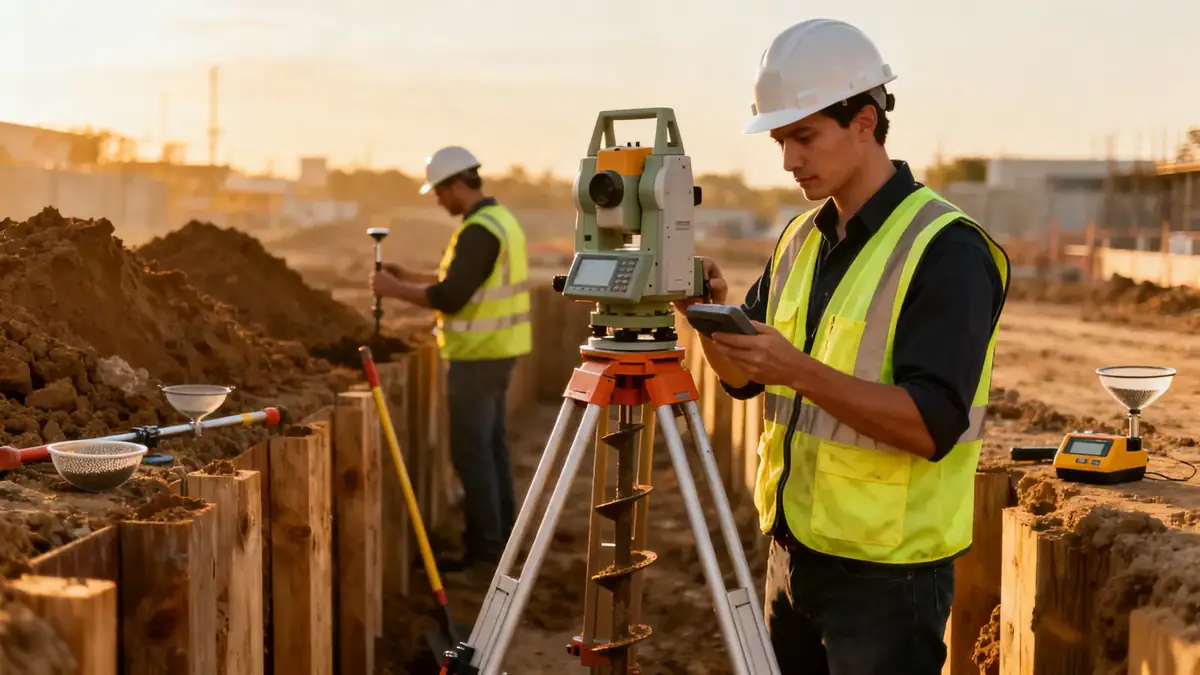
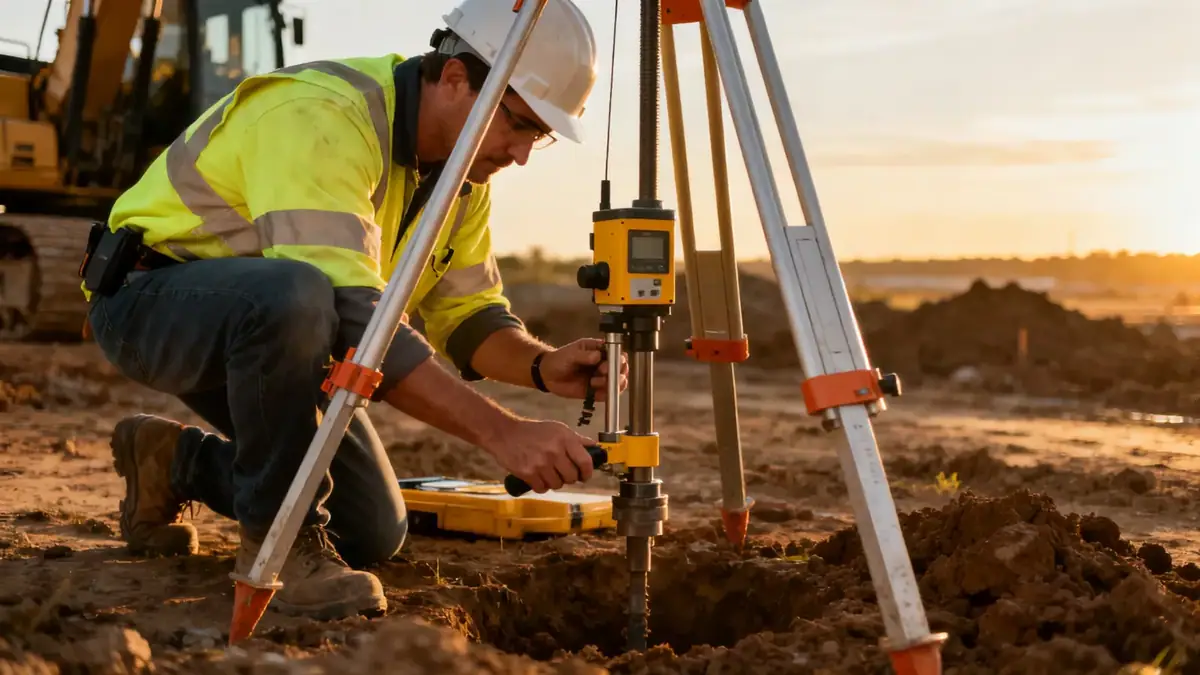
Our methodology for standard penetration testing in Longueuil follows ASTM D1586, with boreholes advanced using hydraulic rigs capable of penetrating stiff clays and dense sands. We record N60 values at 1.5-meter intervals, with continuous sampling in sensitive clay zones to minimize disturbance. For projects requiring deeper stratigraphy, we integrate our standard penetration test (spt) with geophysical surveys to map bedrock and groundwater conditions. All testing is supervised by senior engineers familiar with local soil behavior, ensuring data quality for seismic site classification per NBCC 2020.
Reference Technical Parameters
| Parameter | Reference Value |
|---|---|
| Predominant soil type | Champlain Sea clay (sensitive marine) |
| Maximum seismic acceleration (PGA) | 0.3g (NBCC 2020) |
| Typical groundwater level | 1–3 meters below grade |
| Bedrock depth | 10–30 meters (variable) |
| Typical N60 range | 2–10 (clay), 10–30 (sand/till) |
Local Considerations — Longueuil
Longueuil's geology is dominated by Champlain Sea clay, a sensitive marine deposit prone to high compressibility and low undrained shear strength. Groundwater levels are typically shallow, ranging from 1 to 3 meters below grade, requiring careful dewatering planning. Seismic hazard is moderate, with PGA up to 0.3g, necessitating Site Class E assessments per NBCC. The eastern sectors near Boucherville feature glacial tills and bedrock at 10–20 meters, while western areas have thicker clay sequences exceeding 30 meters. For specialized investigations, we offer cone penetration test (cpt) to obtain continuous soil behavior type profiles in these variable deposits.
Request a Quote
Our team reviews your project and issues an initial report at no cost.
Or write us directly at [email protected]
Services in Longueuil
Applicable Standards
- ASTM D1586
- ASCE 7
- NBCC 2020
- Quebec Construction Code (Chapter I-1)
Frequently Asked Questions
What are the typical soil conditions for standard penetration tests in Longueuil?
Longueuil's subsurface is predominantly Champlain Sea clay, a sensitive marine deposit with low strength and high compressibility. Below the clay, glacial tills and sands are encountered at depths of 10–30 meters. Groundwater is shallow, often within 1–3 meters, requiring careful consideration during drilling.
How does seismic site classification affect standard penetration testing in Longueuil?
Seismic site classification per NBCC 2020 requires SPT N60 values to determine Site Class (typically E for soft clay). This classification directly influences design acceleration values. Our testing provides continuous N60 profiles to accurately classify sites and ensure compliance with local building codes.
Is standard penetration testing mandatory for construction projects in Longueuil?
Yes, the Quebec Construction Code mandates geotechnical investigations for most structures. Standard penetration testing is a key component to assess bearing capacity, settlement, and liquefaction potential. Local municipalities may also require site-specific data for permits, especially in areas with sensitive clay.