Methodology
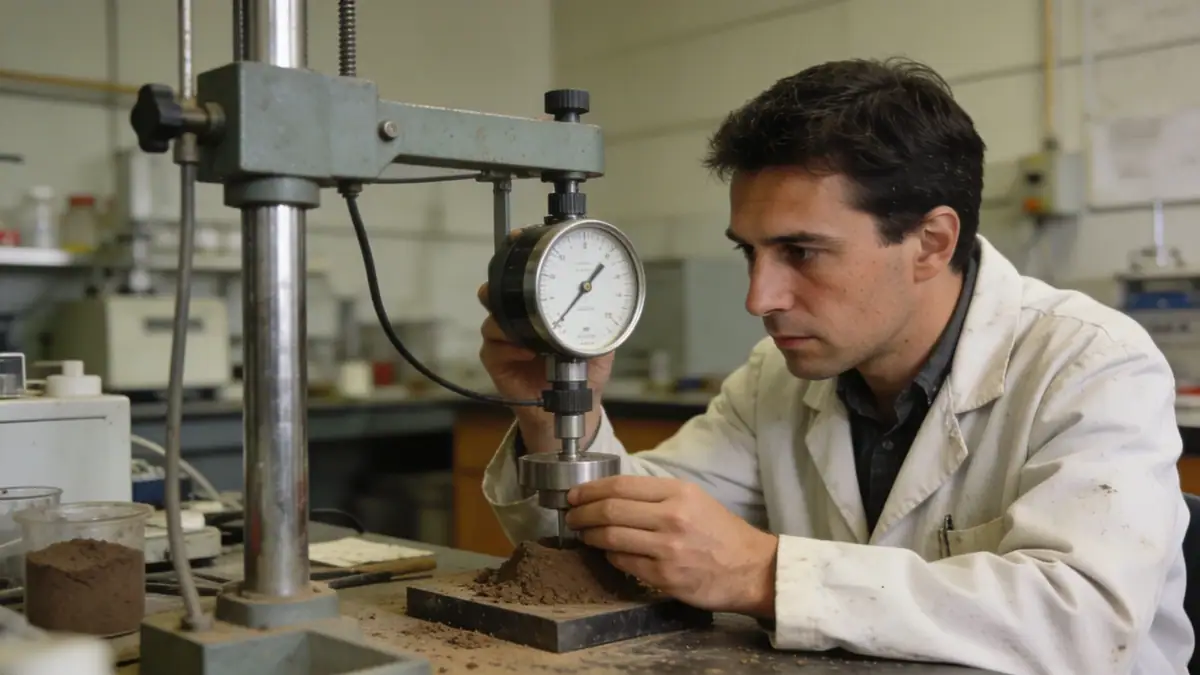
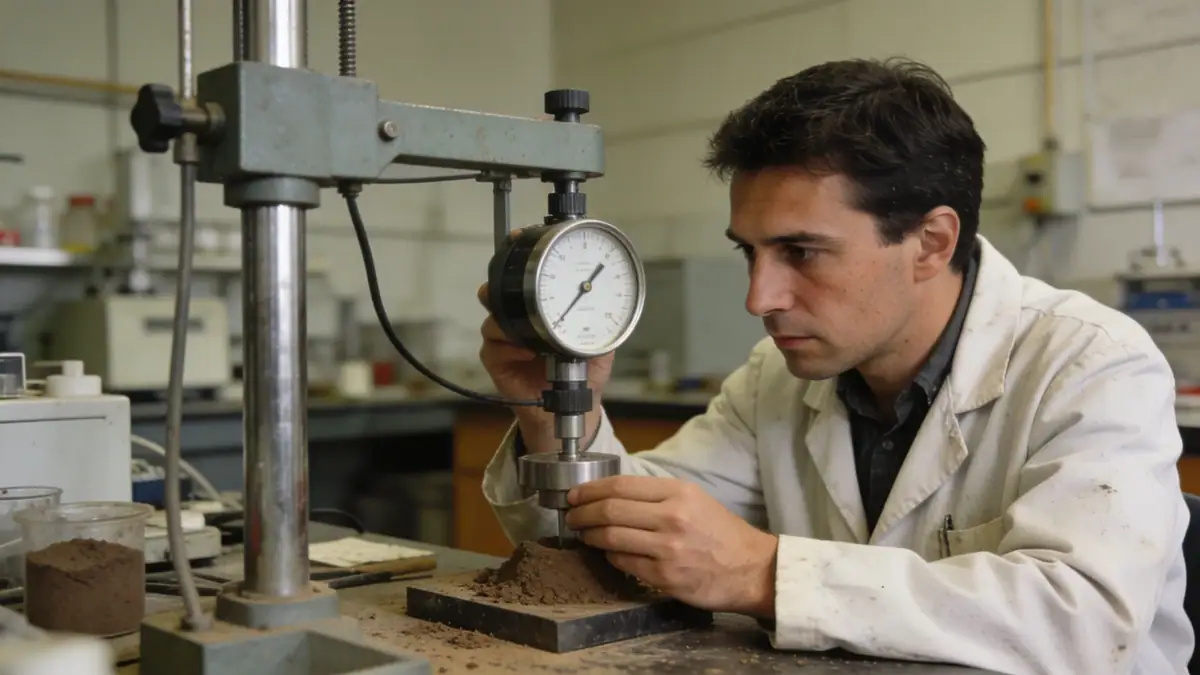
Our methodology for standard penetration test in Grande Prairie follows ASTM D1586, with a 63.5 kg hammer dropped 0.76 m to drive a split-spoon sampler. We record blow counts per 150 mm interval, computing N60 values corrected for hammer energy efficiency. Sampling intervals of 1.0 to 1.5 m are typical, extending to refusal or bedrock. For detailed profiling, we integrate cone penetration test (cpt) data where continuous stratigraphic logs are required. All equipment is calibrated annually, and field procedures adhere to Canadian Foundation Engineering Manual standards.
Reference Technical Parameters
| Parameter | Reference Value |
|---|---|
| Predominant soil type | Glacial till with clay and silt matrix |
| Maximum seismic acceleration (PGA) | 0.08g to 0.12g (NBCC 2020) |
| Typical groundwater level | 3–8 m below grade |
| Bedrock depth | 10–30 m (shallow in river valleys) |
| Typical N60 range | 10–40 blows/300 mm (till); 4–15 (clay) |
Local Considerations — Grande Prairie
Grande Prairie lies within the Western Canada Sedimentary Basin, underlain by Cretaceous bedrock. The predominant surficial deposits are glacial till and lacustrine clay, with variable sand and gravel lenses. Seasonal frost penetration up to 2.5 m affects shallow foundations, while groundwater levels fluctuate with snowmelt. Our team adapts standard penetration test programs to these conditions, with deeper borings in areas of thick clay (e.g., Clairmont) and shallower refusal in till (e.g., County of Grande Prairie). For regional projects, we reference our standard penetration test (spt) services and coordinate with dpsh dynamic probing for rapid profiling in heterogeneous soils.
Request a Quote
Our team reviews your project and issues an initial report at no cost.
Or write us directly at [email protected]
Services in Grande Prairie
Applicable Standards
- ASTM D1586
- NBCC 2020 (National Building Code of Canada)
- Alberta Building Code 2019
- Canadian Foundation Engineering Manual (CFEM)
- CSA A23.3 (Concrete Design)
Frequently Asked Questions
What are the typical soil conditions encountered during standard penetration test in Grande Prairie?
Soils in Grande Prairie primarily consist of glacial till (silty clay with gravel) and lacustrine clay. SPT N60 values in till typically range from 10 to 40 blows per 300 mm, while clay layers exhibit values from 4 to 15. Bedrock, usually sandstone or shale, is encountered at depths of 10–30 m.
Is a standard penetration test required for residential construction in Grande Prairie?
The Alberta Building Code requires geotechnical investigations for buildings on deep foundations or in areas with suspected variable soils. For typical residential projects on shallow foundations, an SPT may be recommended if expansive clays or high groundwater are present. Our team advises based on site-specific conditions.
How does seismic hazard affect standard penetration test requirements in Grande Prairie?
Grande Prairie falls under NBCC 2020 seismic hazard category with PGA of 0.08g to 0.12g. SPT data are used to evaluate liquefaction potential and site classification. For projects in higher-risk zones, we perform SPT at closer intervals to assess cyclic resistance ratios.